American Breakfast

I was born somewhere, but I am ‘from’ America now

We were discussing xenophobia in Sweden in my Scandinavian Noir class today. Citizens, foreigners, immigrants, refugees–the gamut of belonging and not belonging. Here is an essay I wrote for the local newspaper about my experiences becoming an American citizen.

http://www.lockhaven.com/opinion/columns/2017/04/i-was-born-somewhere-but-i-am-from-america-now/

The U.S. Department of Homeland Security’s office of Immigration and Naturalization Services in Philadelphia is housed in a large, five-story concrete and glass building in the middle of the otherwise dilapidated neighborhood of North 41st Street in downtown Philadelphia.

From Lock Haven, you can take either the Interstate 76 East downtown Philadelphia exit, or 3 East West Chester Pike exit off of the turnpike and drive through run-down streets with uneven stop-and-go traffic, lined on either side with a blur of fast food joints, auto repair shops, Chinese delivery and take-outs, hair and nail places, and second-hand furniture stores.

Closer to the Homeland Security building, North 41st Street turns into a long, meandering residential block with broke down ramshackle apartments with doors and windows covered with bed sheets, front doors held in with iron bars, seedy front yards, battered cars, and broken toy pools even in the middle of March. Old men and women in heavy winter coats wait at the bus stops, and young kids on bicycles zip up and down cracked streets with what looks like non-working tram lines running through the middle. Most buildings except the churches are decorated with graffiti, angry, artful and arresting.

This is where the poorer half lives.

I was at the Homeland Security building this past Thursday for my final interview with U.S. Immigration and Naturalization services for my citizenship. I have lived in the United States for 27 years now; the first 12 on a work visa, and the last 15 on a green card (permanent residency card), both provided by employers. I left India when I was 24 to do my Ph.D. in the United States, then stayed to teach; first at the University of Texas at Dallas, and now for the state system of higher education in Pennsylvania.

At this point, I have lived longer in the United States than I have in India.

So in 2016, I applied for my U.S. citizenship.

Applying for U.S. citizenship is a straightforward process. The application itself is $680. Once you submit your application, you are given an appointment to get your fingerprinting and biometrics done at the processing center in York. It could take anywhere from six months to a year for Homeland Security to do your background checks and complete the vetting of your application. If you pass the background checks and the vetting, you are called for your final citizenship interview.

I had arrived about 45 minutes prior to my interview time. My phone was dead which was a good thing since cell phones and cameras are prohibited at the Office of Immigration and Naturalization Services. I walked with the other applicants in the line through the metal detectors and was cleared to enter the waiting room.

The waiting room was crowded with hundreds of people just like me from all over the world waiting for various processes to complete toward their naturalization as citizens.

Many applicants were there with their lawyers; you could tell the lawyers immediately on sight: In suit and tie, with laptop cases, and searching for their clients in the sea of faces.

I was by myself. I sat next to a young couple who spoke Arabic. The husband was a doctor and a citizen; the wife was the applicant. The husband patiently explained in Arabic and English a very troubling case of a young child at the hospital with a heart valve deficiency to the wife listening attentively.

Many applicants were still studying their citizenship civics test booklet. Part of the citizenship interview is a civics test about the history and the government and the Constitution of the United States of America. Small children played on the floor. Babies cried. Mothers and fathers took turns walking the restless children around the waiting room.

The officer who interviewed me was a pleasant young man who asked me to swear that I would tell the truth, the whole truth and nothing but the whole truth during the interview. Then he asked me to sit down. He started the interview by reviewing my application with me.

What do you teach at the university, he asked me?

English, I said.

Ah, he said, the reading and writing portion of the test will be easy for you then. You can never tell, I said. We laughed.

The first part of the interview consists of reviewing your personal information and includes questions about your family and yourself. This has all been vetted in the past year but this part of the interview confirms your application.

The questions cover everything from education, marriage, children, work, membership in organizations, tax questions, and finer details about your life, such as involvement in buying and selling of drugs, guns and weapons, engaging in prostitution, taking part in illegal gambling, serving in militias and the military, engaging in torture and genocide, and lying to the government.

I don’t smoke. I don’t drink. I don’t do drugs. I don’t gamble. I am not promiscuous. I don’t own weapons. I have not served in the military or the militia. I have not engaged in torture or genocide, and I have never lied to the government. I passed this part of the test very quickly.

It is time for your civics test, the officer told me. The civics test includes 100 questions sent to you from the Department of Homeland Security. The officer will ask you 10 questions at your interview. You have to answer six correctly to pass the test.

When was the Constitution written? Who wrote the Declaration of Independence? What does religious freedom mean? At what age does Selective Service begin? How many senators are there? What is the ocean on the East Coast called? How many amendments are there to the Constitution? What is any state that borders Mexico? What was the reason for the cold war? What words indicate the idea of self-government for Americans in the Constitution?

I knew them all. I passed the civics test very quickly.

The officer then proceeded to the reading test. He showed me a sentence and asked me to read it.

“What are the colors of the American flag?”

I passed.

Then we moved to the writing test. He dictated a sentence for me to write. “The colors of the US flag are red, white and blue.”

I passed.

Well, congratulations, the officer told me. You have passed the civics and reading and writing test.

Are you willing to take the full oath of allegiance to the United States, he asked me? Yes, I said.

And then I was a citizen.

It was quarter past noon when I walked out. It was a mild spring day, not too cold, and not too warm. I was starving. I had left Lock Haven at quarter past five in the morning on just a cup of coffee.

My stomach was empty. The Homeland Security office does not permit food or water inside the building. I wanted breakfast.

I started walking on North 41st Street looking for a place to get something to eat. There are no restaurants on North 41st Street. Empty spaces encircled with wire fences alternate run- down apartment blocks. I kept walking. I did not want to get my car from the parking lot where it was parked and not know where to go. There must be something somewhere, I told myself.

A few blocks down I came to a cross street called Market Street. It was appropriately named. I started seeing businesses on either side of the street. Auto parts, vape lounges, hair salons, second-hand furniture stores, Chinese take out and delivery places, and then I saw the sign for Hamilton Restaurant.

I crossed over and entered the restaurant. It was a small diner, clean and pleasant inside. May I charge my phone, I asked the petite Chinese woman who appeared to be the manager of the place. Sure, she said. I gave her my dead phone and she plugged it into a power outlet.

The place was filled with regulars, I could tell.

Everyone spoke to everyone and everyone spoke to the manager, the petite Chinese woman. I was the only Indian woman there; everyone else — the customers and the cooks — was African American, along with one older Chinese man cooking in the kitchen. They all spoke to each other warmly while eating food that looked heavenly to me.

How are you, beautiful? … a pretty African American woman young enough to be my daughter asked me.

She had a gentle, motherly way about her. She cleaned the table and set down the silverware for me.

I am good, I said. How about yourself?

Good day, good day, she said. What can I get ya?

I had already picked what I wanted from the day’s specials written on the erase board.

Grilled flounder with green pepper and onions, cheese grits, home fries, and one fried egg, I said.

Good choice, honey, she told me. And it’s a dollar off today. Good choice. She had the most beautiful smile.

The grilled flounder was excellent, I told the Chinese lady when I walked up to pay the check. Thank you, she said.

Immigration? she asked me.

Yes, I said. I just became a citizen half an hour ago. Yours is the first meal I am eating as an American citizen. It was delicious. Thank you, I told her.

Thank you so much, she said.

Where were you born, she asked me?

India, I said.

It was a subtle difference, I told myself as I drove back toward Interstate 476 North.

Usually, I am asked, “Where are you from”? And I tell them, India. But the Chinese woman had asked me where I was “born.”

I am “from” America now.

There was a difference.

Like her — and like all other immigrants — I was born somewhere, but I am “from” America now.

Gayatri Devi lives in Lock Haven.
Summer Train

As the day wears on, the railway stations in India get progressively crowded, chaotic, and squalid, but in my memory, there is a brief window of time in the early morning, just as the dawn is breaking, around 5 a.m., perhaps slightly earlier, till 7:30 a.m. or so, when the station platforms are simple and serene.

The homeless used to sleep all in huddled masses of three or four bodies here and there on the concrete floor, their threadworn saris or lungis a poor substitute for blankets. The platform’s aluminum roof is their shelter for the night from the elements. Their dogs sleep at their feet. The sweepers in blue and khaki municipality uniforms sweep around them, and sprinkle water on the ground to keep the dust from flying around. Soon the rooster crows, and the many bird songs, bells and chants from the temples, and the Bismillah from the mosques are mixed with the whiplash noise of the train engines cranking, and the cacophony of rickshaws, taxis, bicycles, scooters, motorcycles and buses.

The station vendors unpack their goods for sale for the day: plastic toys, newspapers, magazines, books, playing cards, cigarette lighters, fly swatters, etc. The coffee and tea stalls open. The aromas of breakfast items are all mixed: the steamed and the fried: the sweet aroma of hot milk tea; the strong dusky scent of hot decoction milk coffee; pazham pori, idli, dosa, uppumaa, uzhunnu vada, parippu vada, cutlets, parathas, omelets, boiled eggs, chocolates, candies, cool drinks and fruits.

The British East India Company laid the foundations for the Great Indian Peninsular Railways Company, or what is now known as the nationalized Indian Railways.  In the late 1840s, British textile manufacturers in England needed a way to bring cotton from the interiors of India to the Bombay harbor, and thence to Manchester for textile production. Three main lines ran across the country towards the major ports of Bombay in the west, Calcutta in the east, and Madras in the south.

By 1890, almost all regions of India, including the princely states, had their own railway systems. Since 1947 and independence, Indian Railways has become the main artery feeding the transportation needs of Indians across the subcontinent. At present, the Indian Railways network covers more than 40, 000 miles through its 7,500 stations across the country, and is one of the world’s largest railway networks. Daily, across the nation, Indian Railways transports nearly 25 million passengers, a significant percentage of whom are suburban commuters traveling between their homes and workplaces.

We used to travel a lot by train when I was growing up. If you board the 5 a.m. Venad Express in Trivandrum you could be eating breakfast and playing with your cousins in Tripunithura  by 10 or 11 in the morning. If you want, you could go to sleep on the wooden bench in the second-class compartment. Or you could look out the window at the world whizzing past. Or you could observe your fellow travelers as you follow your train of thoughts.

Local, national and international politics used to be a big topic of discussion in train rides in India. George Bush, Bill Clinton, Gorbachev, Putin, Margaret Thatcher, Saddam Hussein, Che Guevara, Ataturk, George Washington, Indira Gandhi, Congress party, Communist party, local leaders, political scandals – the list is endless. With daily commuters, there is also office gossip. There is plenty of voluble character assassination, and open airing of intrigues worthy of modest crime fiction.

Because of the anonymity offered by a fast-moving train in transit for hours on end, some passengers behave recklessly aboard Indian trains. Young men dangle from the compartment doors tempting fate. Others give free rein to their promiscuous selves. Twenty some years ago, my mother and I were going to Trichur once from Trivandrum, when a beautiful young nun boarded our compartment. She was wearing her Catholic nun’s habit, and she sat across from us. She had a thin bony face with big eyes, and bits of black curly hair escaped from her black nun’s veil. One or two stations later, a slightly older man boarded the train and walked into our compartment. He was looking for the nun, and they made eye contact as if by a pact. He was slightly overweight and had a glistening face and sat with his legs apart in an indecent way.

The man sat next to mother and me, facing the nun. The rest of the journey, for about three hours, the nun and the man flirted with each other, rubbing each other’s hands, and touching cheeks and lips. It was incredible. My mother, ordinarily a peaceful woman, was startled and angry; I rarely see her angry.

Public flirtation happens all the time in India–a country filled with men and women with exhibitionist tendencies—particularly, in trains and buses. I think what bothered my mother was the fact that this woman was wearing a nun’s habit while flirting with a sickening man. Was it some sort of kinky role-playing, I have since wondered.

Another equally disturbing appearance of the id, while on a train, happened to me once when I was traveling from Grand Forks, North Dakota to Montreal, Quebec. In the early 1990s, when I was in graduate school, I used to spend my Christmases with my aunt and family in Montreal. Instead of flying, I loved taking the train ride across the country. It is a very long trip, takes days and days. It is a beautiful ride. I think I was doing what Gandhi did in India when he first returned from South Africa; I was seeing America by train, like in that gorgeous Steve Goodman song “City of New Orleans.”

Anyway, Amtrak has a stop in Chicago, and I was sitting with this old Polish woman, who had been talking to me the entire time since she boarded the train. She was in her 80s, and she kept saying really awful things about the African-American conductor and stewards working in the train; in fact, about the entire black population of Chicago. I tried to tell her politely that her comments could be interpreted as being racist. I told her that I was an immigrant studying in the U.S., and that I didn’t subscribe to her verbal assault on the black population in Chicago.

But the woman was unstoppable, and kept up her rant. Unlike trains in India, where you can go sit somewhere else if the person next to you has lost her mind, in Amtrak, you are stuck in your seat. I kept praying for the woman to fall asleep or lose her voice. But neither happened. After a while, I got up and went and sat in the dining car.

When the racist Polish woman in Chicago talked endlessly to me, I longed for the cow that was my traveling companion years ago in India once on a train. In 1988, one of my professors, Dr. Jamila Begum, and I had gone to Baroda to attend a conference at the MS University. You take the Rajadhani Express from Trivandrum, Kerala and it takes you to Baroda, Gujarat in three days.

We were in a non A/C sleeper car, a step up from the general compartment with sleeping berths and all. The train had been delayed several times and it was the afternoon of the third day, and we had crossed the border and entered Gujarat. I was watching the riverbanks in the distance as the train slowly chugged along the Narmada River, when it came to an unscheduled stop.

It was literally the middle of nowhere. The non A/C sleeper car was empty except for Dr. Begum and me. We were feeling nice and comfortable; a cool light breeze came in through the window, and we could still see the river stretching away to our right.

Suddenly we heard a commotion at the compartment door. A huge cow was struggling to climb in. I went to the door to check. There she was, the cow. She had managed to climb in. She had a beautiful yellow garland around her neck, and a red dot on her forehead. She was completely white, except for her beautiful black eyes and slightly pinkish nose. Her owner, a farmer with a big colorful turban, climbed in after her.

It was clear that he had not purchased a ticket for himself, or the cow, for the non A/C sleeper car. He had been pasturing in the fields to our left, and was probably tired and wanted to take the cow home in the quickest way possible. Since I did not know Gujarati, I could not ask him the whole story. He avoided my eyes; he knew he was in a fancy sleeper car. Dr. Begum and I thought, what the heck, a cow. A cow in our compartment!

But she was a good cow. She just sat down by the door, chewing some grass, while her owner hunched down near her, both of them avoiding us, the other humans, and gazing out of the open door at the fields rolling past us. The cow was non-destructive, clean and gentle on the train. They got off, about an hour later, at the next scheduled stop.

[first published in Lock Haven Express, 2014]


Borges, “The Unending Rose”

I love this poem. I have always feared becoming blind.

The Unending Rose

To Susana Bombal

Five hundred years in the wake of the Hegira,

Persia looked down from its minarets

on the invasion of the desert lances,

and Attar of Nishapur gazed on a rose,

addressing it in words which had no sound,

as one who thinks rather than one who prays:

‘Your fragile globe is in my hand; and time

is bending both of us, both unaware,

this afternoon, in a forgotten garden.

Your brittle shape is humid in the air.

The steady, tidal fullness of your fragrance

rises up to my old, declining face.

But I know you far longer than that child

who glimpsed you in the layers of a dream

or here, in this garden, once upon a morning.

The whiteness of the sun may well be yours

or the moon’s gold, or else the crimson stain

on the hard sword-edge in the victory.

I am blind and I know nothing, but I see

there are more ways to go; and everything

is an infinity of things. You, you are music,

rivers, firmaments, palaces and angels,

O endless rose, intimate, without limit,

which the Lord will finally show to my dead eyes.”

(Translated from the Spanish La Rosa Profunda by Alastair Reid, 1971)

MLK Jr. Day of Service at LHU

February 2nd.

LHU observed the MLK Jr. Day of Services today. The day began at 11:30 with registration and lunch at the MPR/PUB, welcome speeches by Kenny (Hall) and President Pignatello. I sat with Dana and Paul, and Denise for lunch. Good lunch. Around 12:30 I went to the Wayne Township Fire Hall for my service event: Clinton County SPCA was holding its Soup and Indoor Yard Sale there. The SPCA folks asked me to stay with the two kitty cats for adoption: Woosie and Ruby, both 3 years old, neutered and spayed. Several folks came and looked at the kitties. I had a good time talking with them about the kitty cats. Finally, one kind lady — she has a cat already — did the paperwork to adopt Woosie. I was very happy. Lucas and Kenny came over as well, and Bernadette was there volunteering for SPCA anyway, so we all had a nice visit. Bernadette told me about the trap-neuter-return program for feral cats; sounds fascinating. I finished at 3pm and came home. Lots of work to do this weekend.

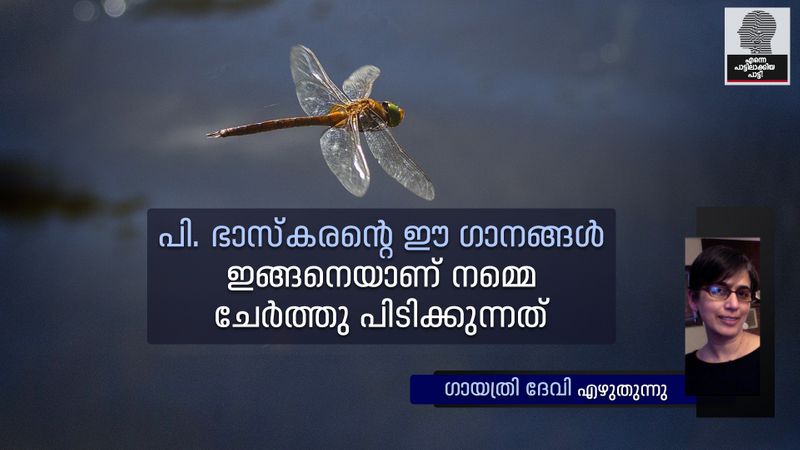
കണ്ണുപൊത്തി കളിച്ച പാട്ടുകള്‍ !

https://www.asianetnews.com/magazine/my-beloved-song-gayathri-pkr6gi

കണ്ണുപൊത്തി കളിച്ച പാട്ടുകള്‍ !

First Published 3, Jan 2019, 4:56 PM IST
my beloved song gayathri
HIGHLIGHTS

മുറപ്പെണ്ണിന്റെ സംവിധായകൻ വിൻസെന്റ് ഈ രംഗം ചിത്രീകരിച്ചിരിക്കന്നത് മുറപ്പെണ്ണിന്റെ ദുരന്ത കഥയുടെ തന്നെ ഒരു വ്യാഖ്യാനമായിട്ടാണ്. തറവാട് ഭാഗം വെച്ച് മാറുന്നത് വരെ കഥയിലെ ബാലനും, അനിയനും, കേശുവും, കൊച്ചമ്മിണിയും, ഭാഗിയുമൊക്കെ ഇതുപോലെ ഒരേ പായിൽ കിടന്നുറങ്ങി കണ്ണടച്ച് കളിച്ചു വളർന്നവരാണല്ലോ.

‘എന്റെ പാട്ട്: അത്തരമൊരു പാട്ട് ആരുടെ ഉള്ളിലാണില്ലാത്തത്. എവിടെനിന്നോ വന്ന് ഉള്ളില്‍ കൂടുകൂട്ടിയൊരു പാട്ട്. പ്രണയത്തിന്റെ, സൗഹൃദത്തിന്റെ, വിരഹത്തിന്റെ, മരണത്തിന്റെ, ആനന്ദത്തിന്റെ, വിഷാദത്തിന്റെ തീയും പുകയുമുള്ള പാട്ടോര്‍മ്മകള്‍. എഴുതാമോ, ആ പാട്ടിനെക്കുറിച്ച്. ആ പാട്ട് എങ്ങനെ ഉള്ളില്‍ വേരാഴ്ത്തിയെന്ന്. കുറിപ്പ് ഒരു ഫോട്ടോ സഹിതം submissions@asianetnews.in എന്ന മെയില്‍ ഐഡിയില്‍ അയക്കൂ. പേര് പൂര്‍ണമായി മലയാളത്തില്‍ എഴുതണേ… സബ് ജക്ട് ലൈനില്‍ ‘എന്റെ പാട്ട്’ എന്നെഴുതാനും മറക്കരുത്

ഒരേ വർഷം രണ്ടു വ്യത്യസ്ത സിനിമകൾക്ക് വേണ്ടി ഒരേ പോലെ തുടങ്ങുന്ന രണ്ട് തികച്ചും വ്യത്യസ്ത ഗാനങ്ങൾ എഴുതിയ ഒരേ ഒരു ഗാനരചയിതാവ് ഒരു പക്ഷെ പി. ഭാസ്കരൻ മാത്രമേ ആകാൻ വഴിയുള്ളൂ. 1965 ഓഗസ്റ്റിൽ ഇറങ്ങിയ മായാവി എന്ന ചിത്രത്തിന് വേണ്ടിയും അതേ വർഷം ഡിസംബറിൽ റിലീസ് ചെയ്ത മുറപ്പെണ്ണ് എന്ന ചിത്രത്തിന് വേണ്ടിയും പി. ഭാസ്കരൻ എഴുതിയ രണ്ടു വ്യത്യസ്ത ഗാനങ്ങൾ രണ്ടും തുടങ്ങുന്നത് “കണ്ണാരം പൊത്തി പൊത്തി” എന്ന പ്രയോഗം കൊണ്ടാണ്.

മുറപ്പെണ്ണിലെ “കണ്ണാരം പൊത്തി പൊത്തി” എന്ന ഗാനം മലയാള സിനിമ സ്നേഹികളുടെ ഇടയിൽ വളരെ പ്രശസ്തമാണ്.

കണ്ണാരം പൊത്തി പൊത്തി കടക്കാടം കടന്നു കടന്ന്
കാണാപ്പൂപിള്ളരൊക്കെ കണ്ടും കൊണ്ടോടി വായോ
അക്കരെ നിക്കണ ചക്കി പെണ്ണിന്റെ കയ്യോ കാലോ തൊട്ടു വായോ…

ഒരു പക്ഷെ “കണ്ണാരം പൊത്തി പൊത്തി” എന്നത് ഒരു നാടൻ ചൊല്ലൊ നാടൻ പാട്ടുകളിലെ ആവിഷ്കാരശൈലിയോ തന്നെ ആയിരിക്കാം. എന്നാൽ, ഇപ്പോഴീ നാടൻ ശൈലി മലയാളികളുടെ മനസ്സിൽ എവിടെയും ” മുറപ്പെണ്ണ്” എന്ന സിനിമയും, അതിലെ ഗാനവുമായി എന്നെന്നേക്കുമായി കൊരുത്തു ചേർക്കപ്പെട്ടിരിക്കുന്നു.

“മുറപ്പെണ്ണ് “സിനിമ തുടങ്ങുന്നത് തന്നെ ഈ പാട്ടിന്റെ അകമ്പടിയോടുകൂടിയാണല്ലോ. സിനിമയുടെ ടൈറ്റിൽസ് നമ്മുടെ മുന്നിലേക്കോടി വരുന്നത് ഉടുക്കുപാട്ടിന്റെ താളത്തിനോടൊപ്പം ഈ പാട്ടും പാടി ഭാരതപ്പുഴയുടെ ഓരത്തിലും അടുത്തുള്ള പാടത്തുമൊക്കെ ഓടിക്കളിക്കുന്ന കൊച്ചുകുട്ടികളുടെ മധുര സ്വരത്തിലാണ്. കണ്ണടച്ച് തൊട്ടുകളിക്കുന്ന കുട്ടികൾ പാടുന്ന പാട്ടാണിത്. ഓടിക്കളിക്കുന്ന കുട്ടികളും ഭാരതപ്പുഴയും തോണിയും വിടർന്ന ആകാശവും പാടങ്ങളും നമ്മുടെ കണ്ണുകൾക്ക് കുളിർമയേകുന്നു.

മാഞ്ഞുപോകാത്ത ഒരു മാറ്റൊലിയായി നമ്മുടെ മനസ്സിൽ തങ്ങി നിൽക്കുന്നു

മുറപ്പെണ്ണിലൂടെ സംഗീത സംവിധായകനായി പ്രശസ്തി നേടിയ ബി. എ. ചിദംബരനാഥും ലത രാജുവും ആണ് സിനിമയിൽ ഈ പാട്ടു പാടിയിരിക്കുന്നത്. ആദ്യം സിനിമയുടെ പേര്, പിന്നെ കഥ- സംഭാഷണം, എം. ടി. വാസുദേവൻ നായർ, അത് കഴിഞ്ഞു ഗാനങ്ങൾ പി. ഭാസ്കരൻ, പിന്നെ ഗായകർ, അഭിനേതാക്കൾ, ഛായാഗ്രാഹകൻ, നിർമ്മാതാവ്, സംവിധായകൻ, സഹായികൾ, തുടങ്ങി സിനിമയുടെ മുൻപിലും പിന്നിലും പ്രവർത്തിച്ചവരുടെയൊക്കെ പേര് അവതരിപ്പിച്ചുകൊണ്ട് ഈ പാട്ട് മൂന്നര മിനിറ്റിൽ മറക്കാൻ പറ്റാത്ത, മാഞ്ഞുപോകാത്ത ഒരു മാറ്റൊലിയായി നമ്മുടെ മനസ്സിൽ തങ്ങി നിൽക്കുന്നു.

“കണ്ണാരം പൊത്തി പൊത്തി” എന്ന് പാടിക്കൊണ്ട് ഒരു കൂട്ടം കുട്ടികൾ തീവണ്ടി മാതിരി ഒന്നിനു പുറകെ വരിവരിയായി നടക്കുന്നു. പെട്ടെന്ന് അതിലൊരു കുട്ടി മറ്റുള്ളവരിൽ നിന്നും പൊട്ടിച്ചു മാറി മുൻപോട്ടോടുന്നു. ബാക്കി കുഞ്ഞുങ്ങൾ മുൻപോട്ടോടിയ കുട്ടിയെ — അക്കരെ നിക്കണ ചക്കി പെണ്ണിനെ – പിടിക്കാൻ പുറകെ ഓടുന്നു. അക്കരെ നിക്കണ ചക്കി പെണ്ണിന്റെ കയ്യോ കാലോ തൊട്ടു വായോ. ഇതാണ് കണ്ണുപൊത്തി കളിച്ച പാട്ട്.

കുട്ടികൾ വളർന്നു വലുതായപ്പോൾ ബന്ധങ്ങളുടെ ചങ്ങല മുറിഞ്ഞു

മുറപ്പെണ്ണിന്റെ സംവിധായകൻ വിൻസെന്റ് ഈ രംഗം ചിത്രീകരിച്ചിരിക്കന്നത് മുറപ്പെണ്ണിന്റെ ദുരന്ത കഥയുടെ തന്നെ ഒരു വ്യാഖ്യാനമായിട്ടാണ്. തറവാട് ഭാഗം വെച്ച് മാറുന്നത് വരെ കഥയിലെ ബാലനും, അനിയനും, കേശുവും, കൊച്ചമ്മിണിയും, ഭാഗിയുമൊക്കെ ഇതുപോലെ ഒരേ പായിൽ കിടന്നുറങ്ങി കണ്ണടച്ച് കളിച്ചു വളർന്നവരാണല്ലോ. കുട്ടികൾ വളർന്നു വലുതായപ്പോൾ ബന്ധങ്ങളുടെ ചങ്ങല മുറിഞ്ഞു; അവർ ചിതറിപ്പോകുന്നു. ഇതേ ആശയമാണ് മുറപ്പെണ്ണിലെ തന്നെ “കരയുന്നോ പുഴ പുഴ ചിരിക്കുന്നോ” എന്ന ഗാനത്തിലും പി. ഭാസ്കരൻ വർണിക്കുന്നത്‌:

കരയുന്നോ പുഴ
ചിരിക്കുന്നോ
കരയുന്നോ പുഴ
ചിരിക്കുന്നോ
കണ്ണീരുമൊലിപ്പിച്ചു
കൈവഴികൾ പിരിയുമ്പോൾ
കരയുന്നോ പുഴ
ചിരിക്കുന്നോ

ഉത്തരം പ്രതീക്ഷിച്ചു ചോദിക്കുന്ന ചോദ്യമല്ലിത്; “റെറ്റോറിക്കൽ” എന്നൊക്കെ പറയുന്ന പോലത്തെ ഒരു ചോദ്യം. പ്രക്ഷുബ്ധമായ മനുഷ്യജീവിതവും കാലത്തിന്റെ, പ്രകൃതിയുടെ, പുഴയുടെ സ്വസ്ഥമായ വിശ്രാന്തിയും തമ്മിലുള്ള അകലം ഉദ്ബോധിപ്പിക്കുന്ന ഒരു പ്രസ്താവനയാണീ ചോദ്യങ്ങൾ.

പ്രധാന കഥയുടെ പുറത്തു നിന്നുകൊണ്ട് ഈ ദുഃഖപര്യവസായിയായ നാടകത്തിന്റെ ഒരു വിലയിരുത്തൽ കൂടിയാണ് “കണ്ണാരം പൊത്തി പൊത്തി” എന്ന കുട്ടികളുടെ കളിപ്പാട്ട്. ഒരു സമൂഹത്തിന്റെ മൂല്യങ്ങളുടെ അടിവേരുകൾ പിഴുതു മാറ്റി നടുമ്പോൾ ആ സ്വാർത്ഥപരതയിൽ നഷ്ടപെടുന്ന ബാല്യത്തിന്റെ നിഷ്കളങ്കതയുടെ മുൻകൂട്ടിയുള്ള ഉപസംഹാരമായിട്ടാണ് ചിത്രത്തിന്റെ തുടക്കത്തിൽ തന്നെ വിൻസെന്റും പി. ഭാസ്കരനും ഈ ഗാനം ചിത്രീകരിച്ചിരിക്കുന്നത്. സംവിധായകനും ഗാനരചയിതാവും ഒരേ മനസ്സോടു കൂടി കഥ പറയുന്ന ശ്രദ്ധേയമായൊരു രംഗമാണിത്.

1965 മലയാള ചലച്ചിത്രത്തിന്റെ ചരിത്രത്തിലെ പ്രധാനപ്പെട്ട ഒരു വർഷമാണ്

പക്ഷെ, പ്രമേയത്തിലും സംഗീതാവിഷ്കാരത്തിലും മായാവിയിലെ “കണ്ണാരം പൊത്തി പൊത്തി” തികച്ചും വ്യത്യസ്തതയുള്ള ഒരു ഗാനമാണ്.

കണ്ണാരം പൊത്തി പൊത്തി കൈലേസ് കണ്ണിൽ കെട്ടി
അമ്പിളിയും വെണ്മുകിലും കളിയാടുന്നു ദൂരെ കളിയാടുന്നു
കിന്നാരം ചൊല്ലി ചൊല്ലി കിളിച്ചുണ്ടിൽ നുള്ളി നുള്ളി
കൊച്ചു തെന്നൽ മൊട്ടുകളായ് വിളയാടുന്നു അതാ വിളയാടുന്നു

ശരാശരി ജീവിതവുമായി യാതൊരു ബന്ധവുമില്ലാത്ത തികച്ചും കഥ പറയാൻ വേണ്ടി മാത്രം കൃത്രിമമായി ചമച്ചുണ്ടാക്കിയ കഥാവസ്തുവാണ് മായാവിയിൽ കാണുന്നത്. പ്രേം നസീർ, മധു, ഷീല, ശാന്തി, ആറൻമുള പൊന്നമ്മ, അടൂർ ഭാസി, എസ് . പി. പിള്ള, ഭരതൻ, കൊട്ടാരക്കര, തിക്കുറിശ്ശി എന്നിങ്ങനെ അറുപതുകളിലെ അറിയപ്പെട്ട താരങ്ങളൊക്കെ അഭിനയിക്കുന്ന ഈ ചിത്രം നിർമ്മിച്ചത് പി. സുബ്രമണ്യവും സംവിധാനം ചെയ്തത് ജി.കെ.രാമുവുമാണ്. എഴുപതുകളിലും എൺപതുകളുടെ ആദ്യത്തിലും മലയാള സിനിമയിൽ സ്ഥിരം കണ്ടു പരിചയിച്ച കള്ളക്കടത്തുകാരും, ഭൂമിക്കടിയിലെ ഗുദാമുകളിൽ സ്വർണ്ണബിസ്ക്കറ്റ് ഉരുക്കി വയ്ക്കുന്ന ഗുണ്ടകളും, നല്ലവനായ വലിയ വീട്ടിലെ മുതലാളിയും, അയാളെ ചതിക്കുന്ന നീചനും സ്ത്രീലമ്പടനുമായ എസ്റ്റേറ്റ്മാനേജരും, എല്ലാ അക്രമങ്ങളും അതിജീവിച്ചു കള്ളന്മാരെയെല്ലാം കയ്യോടെ പിടിച്ചു പോലീസിനെ ഏല്പിക്കുന്ന നായകനും, അയാളുടെ മണ്ടൻ ശിങ്കിടികളും, അയാളെ പ്രേമിക്കുന്ന സുന്ദരിയും ഒക്കെയാണ് മായാവിയിലെയും കഥാപാത്രങ്ങൾ.

ആ പഴയ ഗാനങ്ങളുടെ സ്വാധീനം ഇന്നും അവസാനിച്ചിട്ടില്ല

പക്ഷെ, 1965 മലയാള ചലച്ചിത്രത്തിന്റെ ചരിത്രത്തിലെ പ്രധാനപ്പെട്ട ഒരു വർഷമാണ്. മലയാള സിനിമയുടെ ക്രമാതീതമായുള്ള വിപുലീകരണത്തിനു സാക്ഷിയെന്ന വണ്ണം 30 ചലച്ചിത്രങ്ങളാണ് 1965 -ൽ കേരളത്തിൽ നിർമ്മിച്ചത്. 1964 -ൽ വെറും 19 ചിത്രങ്ങളാണ് പ്രദർശനത്തിനെത്തിയത്. പ്രദർശനത്തിന് തീയേറ്ററുകളിൽ എത്തിയത് 1966 -ൽ ആണെങ്കിലും, ഇന്ത്യയിലെ തന്നെ ഏറ്റവും മികച്ച ചിത്രമെന്ന ദേശീയ അവാർഡ് രാമു കാര്യാട്ട് സംവിധാനം ചെയ്ത ‘ചെമ്മീൻ’ എന്ന ചിത്രത്തിന് ലഭിക്കുന്നത് 1965-ലെ ഒരു പ്രധാന സംഭവം തന്നെയാണ്. ഈ കാലഘട്ടത്തിലെ ഓടയിൽ നിന്ന്, കാവ്യമേള, തൊമ്മന്റെ മക്കൾ, മുറപ്പെണ്ണ്, ശകുന്തള, പോർട്ടർ കുഞ്ഞാലി, കാട്ടുതുളസി തുടങ്ങിയ നല്ല ചിത്രങ്ങളും, പിന്നെ മുട്ടത്തു വർക്കിയുടെ ഫോർമുല പടങ്ങളായ ഇണപ്രാവും പട്ടുതൂവാലയും, മായാവി പോലെത്തെ അയഥാർഥമായ അതിമാനുഷന്മാരുടെ സിനിമകളുമൊക്കെ പി. ഭാസ്കരൻ, വയലാർ, യൂസഫ് അലി കേച്ചേരി, അഭയദേവ് തുടങ്ങിയ എഴുത്തുകാരുടെ മറക്കാനാകാത്ത ഗാനങ്ങൾ കൊണ്ട് അനുഗ്രഹീതമായവയാണ്.

“കണ്ണാരം പൊത്തി പൊത്തി” എന്ന പ്രയോഗം തന്നെ 1985 -ൽ ഒരു മലയാള ചലച്ചിത്രത്തിന്റെ പേരായി പുനരവതരിച്ചു. പി. ഭാസ്കരൻ ഈ ചിത്രത്തിന് വേണ്ടി ഗാനങ്ങൾ എഴുതുകയും ചെയ്തു. 2010-ഇൽ റിലീസ് ചെയ്ത എൽസമ്മ എന്ന ആൺകുട്ടി എന്ന ചിത്രത്തിൽ മുറപ്പെണ്ണിലെ “കണ്ണാരം പൊത്തി പൊത്തി” ഒരു മോഡേൺ ഫോക് സോങ് (modern Folk song ) ആയി പരിണമിക്കുന്നുണ്ട്. ആ പഴയ ഗാനങ്ങളുടെ സ്വാധീനം ഇന്നും അവസാനിച്ചിട്ടില്ല.

എന്നാൽ എം. എസ്. ബാബുരാജ് ഹൃദ്യമായി ഈണം പകർന്നിട്ടു പോലും നമ്മുടെ പലരുടെയും ഓർമകളിൽ തങ്ങി നിൽക്കാത്ത ഗാനമാണ് മായാവിക്ക്‌ വേണ്ടി പി. ഭാസ്കരൻ രചിച്ച “കണ്ണാരം പൊത്തി പൊത്തി” എന്ന ഗാനം. വില്ലനായ എസ്റ്റേറ്റ് മാനേജർ പ്രതാപന്റെ (കൊട്ടാരക്കര ശ്രീധരൻ നായർ) കുതന്ത്രങ്ങൾ വെളിച്ചത്തു കൊണ്ടുവന്നു അയാളെ പരാജയപ്പെടുത്താൻ മനോരോഗിയാണെന്ന് അഭിനയിക്കുകയാണ് നായകൻ രഘു (പ്രേംനസീർ). ഈ അഭിനയത്തിനിടയിൽ രഘു മനോരോഗിയുടെ മുഖംമൂടി മാറ്റി വെച്ച് കളിത്തോഴിയും കാമുകിയുമായ വാസന്തിയോടൊപ്പം (ഷീല) പാടുന്ന പാട്ടാണിത്. കമുകറ പുരുഷോത്തമനും പി. ലീലയും പാടുന്ന ഈ ഗാനത്തിൽ പി. ഭാസ്കരന്റെ പ്രേമസങ്കല്പം നായകനെയും നായികയെയും ചന്ദ്രനും നക്ഷത്രങ്ങളും മിന്നാമിനുങ്ങുകളും നിലാവുമുള്ള ഒരു രാത്രിയിലാണ് പ്രതിഷ്ഠിച്ചിരിക്കുന്നത്. എന്നാൽ ഈ ചിത്രത്തിന്റെ സംവിധായകനാകട്ടെ ഈ രംഗം ചിത്രീകരിച്ചിരിക്കുന്നത് പട്ടാപ്പകൽ നട്ടുച്ചനേരത്താണ്.

കണ്ണാരം പൊത്തി പൊത്തി കൈലേസ് കണ്ണിൽ കെട്ടി അമ്പിളിയും വെണ്മുകിലും കളിയാടുന്നു ദൂരെ കളിയാടുന്നു
കിന്നാരം ചൊല്ലി ചൊല്ലി കിളിച്ചുണ്ടിൽ നുള്ളി നുള്ളി കൊച്ചു തെന്നൽ മൊട്ടുകളായ് വിളയാടുന്നു അതാ വിളയാടുന്നു

“അമ്പിളിയും വെണ്മുകിലും കളിയാടുന്നു ദൂരെ കളിയാടുന്നു” എന്ന് പാടി രഘു ആകാശത്തിലേക്കു കൈയുയർത്തുമ്പോൾ നമ്മൾ കാണുന്നത് നല്ല തെളിഞ്ഞ ആകാശവും ഒന്ന് രണ്ടു പഞ്ഞി പോലത്തെ മേഘങ്ങളുമാണ്. നായകൻ മിന്നാമിനുങ്ങിനെ ആവാഹിക്കുന്നതും സൂര്യപ്രകാശത്തിന്റെ ശോഭയിൽ നിന്നുകൊണ്ടാണ്. നായിക കനകതാരത്തിനെയും പാതിരാക്കുയിലിനെയും വിളിക്കുന്നതും നല്ല വെളുത്തു തെളിഞ്ഞ ആകാശത്തിന്റെ സംരക്ഷണയിൽ നിന്ന് കൊണ്ടാണ്. പാട്ടു കേട്ടിട്ട് തന്നെയാണോ സംവിധായകൻ രംഗം ചിത്രീകരിച്ചിരിക്കുന്നത് എന്ന് നമ്മൾ ശങ്കിച്ചുപോകും.

ഒരു സിനിമാപ്പാട്ട് ശാസ്ത്രീയസംഗീതത്തിൽ നിന്നും കവിതയിൽ നിന്നും വളരെ വ്യത്യാസമുള്ള ഒരു കലാരൂപമാണ്. ചലച്ചിത്രഗാനം ഒരു പ്രകടനകലയാണ്. രംഗ ചിത്രീകരണം, ഗാനത്തിന്റെ വരികൾ, സംഗീതാവിഷ്കാരം, അഭിനയം, അവതരണം ഇവയെല്ലാം ഒത്തൊരുമിച്ചു പരസ്പരം സംയോജിപ്പിച്ചാൽ മാത്രമേ മറക്കാനാകാത്ത ഒരു സിനിമാപ്പാട്ടിന് രൂപം കൊടുക്കുവാൻ സാധിക്കുകയുള്ളു. സിനിമാപാട്ട് കഥക്കും കഥാപാത്രത്തിനും ചേർന്നതായിരിക്കണം. ദൃശ്യാവിഷ്കാരത്തിന്ടെ പൊരുത്തക്കേട് കൊണ്ടാണോ അതോ ബാല്യത്തിന്റെ നിഷ്കളങ്കത തുളുമ്പുന്ന വാക്കുകൾ ഒരു പ്രേമഗാനത്തിൽ കേൾക്കുന്നത് കൊണ്ടാണോ, മായാവിയിലെ “കണ്ണാരം പൊത്തി പൊത്തി” എന്ന ഗാനം എന്തു കൊണ്ടോ ഔചിത്യപൂർവ്വമായ മനോവികാരങ്ങൾ നമ്മിൽ ഉണർത്താൻ മടിക്കുന്നു. മായാവിയിലെ തന്നെ മറ്റൊരു ഗാനത്തിൽ മനോരോഗം നടിക്കുന്ന നായകന്റെ ഓർമകൾ തട്ടിയുണർത്താൻ നായിക കുട്ടികാലത്തെ അവരുടെ കൂട്ടുകെട്ടിന്റെ കഥ പറയുന്നുണ്ട്. ഈ ഗാനത്തിൽ പി. ഭാസ്കരന്റെ വരികൾ നാട്ടിൻപുറത്തെ കുട്ടിക്കാലത്തെ മനോഹരമായ വര്‍ണനകളാൽ ചൊല്ലി ഉണർത്തുന്നുണ്ട്.

പണ്ടൊരിക്കൽ ആറ്റുവക്കിൽ പന്തലിച്ച മാഞ്ചുവട്ടിൽ
കൊച്ചു കൊച്ചു കൊമ്പുകൾ കൊണ്ടൊരു കൊട്ടാരം കെട്ടി നമ്മൾ കൊട്ടാരം കെട്ടി
രാജാവായ് നീയിരുന്നു റാണിയായ് ഞാനിരുന്നു
കാണാക്കിനാക്കൾ കണ്ടതോർമ്മയുണ്ടൊ ഭവാനോർമ്മയുണ്ടോ
തൊട്ടടുത്ത മാവിൽ നിന്നും കട്ടെടുത്ത മാമ്പഴങ്ങൾ
കാട്ടുകിളി കാഴ്ചവെച്ചതോർമ്മയുണ്ടോ
പച്ചമണൽ പായസമായ് പച്ചയില പപ്പടമായ്
അത്താഴം നാം വിളമ്പിയതോര്മയുണ്ടോ ഭവാനോർമ്മയുണ്ടോ

നമ്മുടെ ഒക്കെ ഭാഗ്യത്തിന് മായാവിയിൽ പി. ഭാസ്കരൻ എഴുതി ബാബുരാജ് ഈണം പകർന്ന വളരെ മനോഹരമായ മറ്റൊരു ഗാനവും കൂടിയുണ്ട്. കെ. പി. ഉദയഭാനുവും എസ്. ജാനകിയും ചേർന്ന് ആലപിച്ച ഈ ഗാനത്തിന് അൻപത്തിശിഷ്ടം വർഷങ്ങൾക്കു ശേഷവും ശ്രോതാക്കളെ വശീകരിക്കാനുള്ള ശക്തിയുണ്ട്.

വള കിലുക്കും വാനമ്പാടി വഴി തെളിക്കാനാരാണ്?
വഴി തെളിക്കാൻ വാനിലൊരു മണിവിളക്കുണ്ട് മണിവിളക്കുണ്ട്
കുസൃതിക്കാരി, കുസൃതിക്കാരി, കൂരിരുട്ടിൽ കൂടെ വരാൻ ആരുണ്ട് ?
കൂടെ വരാൻ കാട് ചുറ്റും കുഞ്ഞികാറ്റുണ്ട് കുഞ്ഞികാറ്റുണ്ട്
കാട്ടിനുള്ളിൽ കാൽ തളർന്നാൽ കൈ പിടിക്കാനാരുണ്ട്?
കാട്ടുമര തണ്ടൊടിച്ചാൽ കൈവടിയാകും
കുഴിയിൽ വീണാലോ?
ഞാൻ കരകയറ്റീടും
കള്ളൻ വന്നാലോ?
ഞാൻ കാവലിരുന്നീടും
വഞ്ചകനാണെങ്കിൽ?
ഞാൻ വാളെടുത്തീടും

ചോദ്യങ്ങൾ ചോദിക്കുന്നത് പുരുഷനും ഉത്തരം പറയുന്നത് സ്ത്രീയുമാണ്. ഡബിൾ നായികാ-നായകന്മാരുള്ള മായാവിയിലെ നേരത്തെ പറഞ്ഞ രഘുവിന്റെ സുഹൃത്തും രഘുവിന്റെ മനോരോഗ നാടകത്തിൽ സഹായിയുമായ മധുവും (മധു) പ്രണയിനിയായ ജയന്തിയും (കെ. വി. ശാന്തി) ചേർന്ന് പാടുന്ന പാട്ടാണിത്. 1965 -ലെ ഈ ഗാനത്തിൽ പി. ഭാസ്കരന്റെ സ്ത്രീസങ്കൽപം പ്രതീക്ഷിക്കാത്തവണ്ണം പുരോഗമനോന്മുഖമാണ്. സത്യം മറച്ചു പിടിച്ചു വ്യാജപ്പേരിൽ എസ്റ്റേറ്റിൽ കഴിയുന്ന മധുവിനെ വിവിധ അപകടങ്ങളിൽ നിന്നും രക്ഷിക്കുന്നത് ജയന്തിയാണ്. ഈ ഗാനത്തിലും നായികാനായകന്മാർ രാത്രിയിൽ ആൾപ്പാർപ്പില്ലാത്ത ദേശത്തുകൂടി സഞ്ചരിക്കുന്നു. രംഗം ചിത്രീകരിച്ചിരിക്കുന്നത് രാത്രിയിലാണ്, മുകളിൽ ചന്ദ്രനുമുണ്ട്. ചോദ്യോത്തര മാതൃകയിൽ മുൻപോട്ടു പോകുന്ന ഈ പാട്ടിൽ മധുവിന്റെ ഓരോ സംശയത്തിനും ചോദ്യത്തിനും ജയന്തി തികച്ചും ആത്മവിശ്വാസമുള്ള ഉത്തരങ്ങളാണ് കൊടുക്കുന്നത്. ജയന്തിക്ക് ചന്ദ്രനുണ്ട് കൂട്ടിന്. കുഞ്ഞിക്കാറ്റുണ്ട്. കാട്ടുമരത്തിന്റെ തണ്ടുണ്ട് കൈവടിയായിട്ട്. കുഴിയിൽ വീണ മധുവിനെ കരകയറ്റാൻ കഴിവുണ്ട്. കാവലിരിക്കും. വേണ്ടി വന്നാൽ വാളെടുക്കും.

1965 -ൽ നായികയുടെ ആത്മവിശ്വാസം അവിശ്വസനീയമാണ് നായകന്

സ്ത്രീ സഹജമെന്നു പറയുന്ന ഭയം അല്പം പോലും ഇല്ലാത്ത കുസൃതിക്കാരിയാണ് ജയന്തിയുടെ കഥാപാത്രം. എന്നാൽ പി. ഭാസ്കരന്റെ പ്രേമസങ്കല്പത്തിൽ 1965 -ൽ അത്തരമൊരു പെണ്ണിനെ ആത്മാർത്ഥമായി സ്നേഹിക്കാൻ കഴിവുള്ള ഒരു പുരുഷനുമുണ്ട്. പ്രേമഗാനത്തിന്റെ രൂപവും രീതിയും കാല്പനികമായ സത്യത്തെ സാധൂകരിക്കുന്നു. തന്റെ ചോദ്യങ്ങൾക്കു നായിക നൽകിയ ഉത്തരങ്ങൾ കേട്ടിട്ട് നായകന് ഒരു ചോദ്യവും കൂടിയേ ബാക്കി ഉള്ളൂ: “വിശ്വസിക്കാമോ?” നായികയുടെ ഉത്തരം: “ഓഹോ, വിശ്വസിക്കാ മെ.” 1965 -ൽ നായികയുടെ ആത്മവിശ്വാസം അവിശ്വസനീയമാണ് നായകന്.

മുറപ്പെണ്ണിലെ സ്ത്രീ കഥാപാത്രങ്ങൾക്ക് ചിന്തിക്കാൻ പോലും പറ്റാത്ത ധൈര്യമാണ് മായാവി എന്ന സാഹസിക കഥയിലെ നായികക്ക് പി. ഭാസ്കരന്റെ വരികൾ നൽകിയിരിക്കുന്നത്. ജീവിതത്തിന്റെ യാഥാർഥ്യങ്ങളിൽ നിന്നും ഒളിച്ചോടി പോകുന്ന മായാവി പോലെയുള്ള സിനിമാക്കഥകൾ ഒരുപക്ഷെ ഇത് പോലുള്ള സാങ്കല്പികവും അഭിലഷണീയവുമായ സ്ത്രീപുരുഷ ബന്ധങ്ങൾ ചിത്രീകരിക്കാനുള്ള ഒരവസരമായി കണ്ടാൽ അവയുടെ കൃത്രിമത്വം നമുക്ക് ക്ഷമിക്കാവുന്നതേ ഉള്ളൂ.

Has Kerala Always Considered Menstruating Women Impure?

https://feminisminindia.com/2019/01/15/kerala-menstruating-women-impure/?fbclid=IwAR3D4y2LgmP8b6GylCzsdQWZ1U-421UOH7PrAt_czx7lsBUVnfbOthAbJuQ

In Kerala, every single man and woman who protests the entry of women of menstruating age at the Sabarimala temple has personally benefitted from the presence of a menstruating woman in their lives: their own mother. They were conceived because their mothers menstruated. The mothers gave birth to these individuals, so they can be out in the streets barricading women of menstruating age from the Sabarimala temple. Think of that for a second.

This current hysterical flap against youthful women is a good opportunity to revisit the relevance of menstruation in the human life cycle. Even though Monty Python sang that “every sperm is sacred, every sperm is great; if a sperm is wasted, God gets quite irate” inThe Meaning of Life, statistically speaking, men produce a vast quantity of sperm during their lifetime and shed several millions of them each month. Women have a reserve of about 400-450 egg follicles as they hit puberty with each follicle producing only one egg or ovum, each month. If it is not fertilized by meeting with a sperm, the body releases this egg through menstruation.

We have been told that the divine Ayyappan, or Sasthavu, as I knew him, does not like youthful women worshipping at his temple because of their menstrual pollution. However, the legend of Malikapurathamma, the goddess shrine at Sabarimala, Ayyappan’s alleged unrequited lover, and the customary recruitment of ‘Kanni Ayyappan’ (literally ‘virgin’ Ayyappan –young boys making their first pilgrimage) point towards Sabarimala as a homosocial space where women are intentionally not welcome. This ejecting of youthful women from Sabarimala is a manufactured exclusion to keep women out of a purportedly homosocial male space.

However, menstrual taboos among certain communities have assisted this pollution charge against menstruating women. Though the menstrual blood flow comprises of fresh blood, clotted blood and endometrial tissue from the lining of the uterus, it has become questionably “traditional” to assign a ‘polluted’ or ‘impure’ status to menstruating women among certain communities.

ANTHROPOLOGICAL AND ETHNOGRAPHIC STUDIES SHOW ALMOST A TOTEMIC WORSHIP OF THE YOUNG MENSTRUATING GIRL AS AN ASPECT OF BHAGAVATHY OR DEVI, THE PRIMORDIAL MOTHER GODDESS.

The vernacular Malayalam word ‘theendari’ describes a menstruating woman with an ‘impure’ status. It forbids her from coming into physical contact with other members of the household, entering the kitchen, touching the cooking utensils, touching potable water, or entering the temple during her monthly period. ‘Theendari’ is referenced by informal terms like ‘purathavuka’, ‘veliyilakuka’, both connoting ‘being outside’ or ‘removed’ (from the daily affairs of living).

But ‘theendari’ is a cognate of ‘theenduka‘, a Malayalam word which means ‘to touch’ with the additional semantic intent of ‘to pollute’. We hear this meaning in the phrase ‘kaavu theendal’ for the ritual pollution of the shrine during the Kodungallur Bharani festival. Pollution was proxemic in application. The ‘polluted’ person had to keep an arbitrarily decided distance – 12 feet in some cases – from you not to ‘pollute’ you. 12 feet? Why not 11 or 13 feet?

Also read: The Vicious Circle Of Menstrual Taboos

All of this is ironic given the fact that up until two or perhaps three generations ago, in many communities across India, and certainly among the Nair community that I am most familiar with, the onset of menarche –the first instance of menstruation – was celebrated with great splendor.

Malayalam uses various terms for menstruation with each term carrying its own slightly unique semantic variance and valence. The clinical term aarthavam is for medical or formal registers. Aarthavam, a cognate of the word ‘rithu’, indicates in Sanskrit and Malayalam both seasons and the transition of seasons, hence, change. In the context of women’s reproductive cycle, ‘rithu’ or ‘rithukalam’ signifies the sixteen days from the first spotting of menstrual blood when the woman is most fertile to conceive. Thus ‘rithugami’ in Sanskrit and Malayalam is a man who has intercourse with a woman specifically for reproductive purposes. Somewhere in here is the semantic nuance of seed, flower, and flowering parallel to the processes of the natural world. All of those Malayalam film songs where the lovelorn male evokes and invites his beloved ‘rithumathi’ are sincere demonstrations of this mating instinct.

The vernacular choices for menstruation were ‘prayamavuka’, or ‘vayassariyikkuka’, both of which may be translated to mean ‘to come of age’, or the girl approaching reproductive maturity, and not necessarily sexual maturity. ‘Maasamura’ is roughly the equivalent of monthly periods. ‘Theraluka’ or ‘theranduka’ literally indicate a form of increase, or growth. All of these terms connote a positive valence for menstruation.

Indeed, the word ‘therandu kalyanam’ signifies the celebratory aspect of this liminal event in a girl’s life. Kalyanam in Sanskrit, Malayalam and Tamil indicates the most auspicious phase of a phenomenon. While not that long ago, Nair men and women engaged in ‘sambandham‘, a low-key selection of a conjugal mate, the young girls still celebrated ‘therandu kalyanam‘, or their menarche. Specific customs of ‘therandu kalyanam’ vary from community to community, but a common denominator was the marked positive familial and communal attention given to the young girl during this celebration. The young girl was ritually bathed by elders and presented with sparkling new clothes; special food was made for her, including sweet meats; and she was ceremonially set apart, not in pollution, but as a material expression of her state change. Her menarche was announced to the community. Anthropological and ethnographic studies show almost a totemic worship of the young menstruating girl as an aspect of Bhagavathy or Devi, the primordial mother goddess. The young girl now shared her female body with the goddess herself.

WE ALL KNOW SIMILAR STORIES OF WOMEN WHO FOUND THEMSELVES WITH THEIR MENSTRUAL CYCLES ON THEIR WEDDING DAY AND REGARDLESS WENT TO THE TEMPLE FOR THEIR MARRIAGE RITUAL.

In Kerala, we have a Bhagavathy temple, where the goddess menstruates each month. In the legend of the Chengannur temple recounted in the Eithihyamala, goddess Parvathy was menstruating when she and Sivan arrived at Shonadri or Chengannur to visit Agastya rishi right after their marriage. So, they observed her ‘rithushanthikalyanam’ or menstrual celebration right then and there, which then became the site for Chengannur Bhagavathy temple. We all know similar stories of women who found themselves with their menstrual cycles on their wedding day and regardless went to the temple for their marriage ritual. No god or goddess has punished a woman because she menstruated inside a temple.

Chengannur Bhagavathy’s ritual menstruation or ‘tripputtarattu’ is celebrated in Kerala to this day. The goddess is confined to a special shrine during her periods to respect her power and not to punish her pollution. On the fourth day, the goddess is brought back to her main shrine with aplomb after ritual bathing in the tributaries of the Pamba river. Women (and men) who desire children, women who suffer from infertility, women seeking a good marriage all pray to Chengannur Bhagavathy. The goddess is real to her devotees because she menstruates.

Watching the mayhem unleashed at the protesting women in Kerala, though, I am reminded not so much of the power of Chengannur Bhagavathy, but the burning anger of Draupadi, the wife of the Pandavas in The Mahabharata. Draupadi was menstruating when she was dragged by her hair into open court after Yudhishthira, her gambling husband, stakes her in a game of dice with the Kauravas and predictably loses her. Yudhishtira had been on a losing streak, but that did not stop him from staking his wife in a gamble.

In the Sabha Parvam of the Mahabharata, the menstruating – rajaswala— Draupadi stands in the open court bleeding in her single robe and trembling in anger and helplessness in front of her five husbands and all the kinsmen. Dusshasana pulls at her singlet to disrobe this bleeding woman. But an epic is an epic is an epic, and just at that moment, Draupadi’s cousin and god Krishna steps in and extends the length of her singlet to infinite yards of clothing. Dusshasana is unable to strip her naked.

Also read: The Sabarimala Protests: History Repeats Itself As Progress Is Met With Violence 

But there is no god Krishna in 2019 to step in and counter the attack unleashed against young women asking to worship at Sabarimala. So, another Draupadi comes to mind: the great Mahasweta Devi’s Draupadi, or Dopti. After the Senanayak of the Indian military and his deputies rape the tribal woman Dopti suspected to be a Naxalite and leaves her for dead, she revives herself and walks towards them. She pushes the Senanayak with her “two mangled breasts”, and asks them with a terrible laughter, “What’s the use of clothes? You can strip me, but how can you clothe me again? Are you a man? . . . There isn’t a man here that I should be ashamed.” 

At Sabarimala, only the unbreakable will of the decent and progressive collective of men and women can stop this groundless assault on women’s autonomy to determine their social participation in all spaces.

References

1 “Draupadi,” Breast Stories by Mahasweta Devi
2. Puranic Encyclopedia by Vettom Mani
3. Eithihyamala by Kottarathil Sankunni


Gayatri Devi is an Associate Professor of English at Lock Haven University, Pennsylvania. She can be reached at gdevi@comcast.net.

Featured Image Source: Mythri Speaks

Translations from Kamala Das

I have been reading an edited anthology of Kamala Das’s writings called Pranayakaalathinde Album (Season of Love: An Album) edited and with an introduction by Arshad Bathery (Calicut: Olive Publications, 2005).

These are short haiku like entries — not syllabically speaking — taken from Kamala’s stories, poems and non-fiction writings pertaining to love. An interesting idea, to be sure. Here are a few that I translated. Rough translations. They need a lot of work, but you can get a sense of the tradition in which she writes. Many of these with their insistence on the materiality of the body for memory ( and thus for writing) validate the comparison between Kamala and the great French writer Marguerite Duras. All of these are prose excerpts in the original Malayalam. But you almost feel like putting in line breaks. Enjambment seems natural in some others.

1.
Your eyes are wild streams.
They flow over me
leaving me cool and refreshed.

2.
Love carries an unknowable weight.
Lust
light like milkweed
blown by the wind.

3.
In the mysterious morning light
fused together
like an egg with its white and yellow dissolved
my fingers move towards your body
without hesitation and with right
to recognize
that we are destined to be mates
through innumerable past lives.

4.
For whose embrace is this body waiting
For whose kisses are these lips opening
This poor body these poor lips
that will soon turn into a corpse.

5.
Spring filled me.
Eternal, imperishable love.
When you entered me
this body became your home
this soul your bed chamber.

6.
God was a lover who could not get up to embrace me.

7.
At other moments
it became clear to me
that this body is a barrier to loving.
What will my lover love if there was no body?
What will he caress?
The unseen soul? The inaudible breaths?
The mournful dirge of the sea that lies underneath
the foam and froth of smiling?

8.
My love was his wine.
I saw with great tenderness
how he droned and flitted restlessly
from one tree branch to another
like a drunken blue beetle.

9.
What links the heart with love?
Love is thought, a brain thinking.
Do hearts think?

10.
You are the poem to end all poems.
A poem complete like a tombstone.

Image may contain: 1 person
Image may contain: 1 person, close-up

Como se dice Hair Dryer?

In 2006, a bunch of us faculty members went to Spain for an international workshop. We were in Madrid and we were in Ronda: two beautiful cities where we met faculty and students in our sister schools there. While we were traveling in these places, my friend Nic Nicole Burkholder and I shared a room. Everybody speaks English in Spain, mostly. We were told that definitely everyone spoke English in the hotels where we would be staying. And it was true, the staff at the hotel in Madrid where we stayed all spoke perfect business English. And then we got to Ronda where we stayed at this gorgeous moorish looking hotel. So Nic and I went up to our room. Nic went into the bathroom and immediately ran out with a concerned look on her face.

There is no hair dryer here, Nic told me.

This was not an issue for me, as I have no hair or very little hair. But Nic has long beautiful thick hair. And it takes some work to dry it in the early mornings before our busy work day started.

Let me call the front desk and ask for a hair dryer, Nic said.

I had changed into my pyjamas and was getting ready for bed. Okay, I said.

So pretty soon I heard Nic on the phone happily asking the person at the other end–“Could we get a hair dryer for our room?” or something along those lines.

There was a brief silence and then Nic turned around to me and said, “He doesn’t speak English.”

Nic put down the phone. She was dejected. She really wanted a hair dryer.

So since I was from Texas, I said, no problem, let me go get you a hair dryer from the front desk. I am sure they will give us one.

In Texas, where I had lived before moving to Pennsylvania, I had heard demotic Spanish all around me. I did not know the Spanish word for “hair dryer” or “hair.” But I thought to myself, how hard can it be to get a hair dryer? I knew the verb “querer” in Spanish meant “to want.”

Tell them what we want, what we really really want.

So, still in my pyjamas, I went downstairs to the reception to ask for a hair dryer. I was expecting to come right back up with a hair dryer.

The man at the reception desk downstairs was about 80 years old. He was a small diminutive old man with thinning white hair and sparkly eyes even at 10 o’clock at night.

I began my demotic Spanish.

“Por favor, senor, yo quiero hair dryer,” I said. (which I thought meant “I want a hair dryer.” )

“Ah, senora,” the old man said with a bow. “Qué?”

Clearly, the man had no idea what I had just said. And I did not know the Spanish word for “hair dryer.”

So I tried again. This time, I pointed to my hair, ran my palm over my head in a sweeping motion, and said, “Quiero hair dryer, por favor.”

The man lifted one finger as if to indicate “just a minute” and went to a room behind the front desk.

I was feeling pretty good. It was so simple. He was going to come back with a hair dryer.

The man came out. He had cupped both of his hands together . With a big smile, he opened his hands on the desk in front of me. About a dozen small bottles of shampoo and conditioners–the hotel size– fell out on the desk. He stood back with a beatific smile on his face.

“No, no, no, senor,” I said. “No shampoo. No conditioner.””

“No shampoo?” the old man asked. His smile was gone. He looked worried.

“No shampoo,” I said. “Quiero Hair dryer.”

I said very slowly and loudly clearly enunciating the word in English.” H-a-i-r D-r-y-e-r, por favor.”

The old man stared blankly at me.

So I thought I would try something else. I bunched my thumb, index and middle finger together and pushed it into my hair. I was trying to signify a machine. I said, again, very slowly, “See? Hair dryer.”

The man again indicated with one finger that he would be right back. I prayed that he would not come back with a gun.

He came back with a handful of small shower caps this time.

I began to laugh uncontrollably at this point. But I thought to myself, well, I am here and I am not going back without a hair dryer tonight.

Then I suddenly remembered that at UTD, where I used to teach, after the custodial people mopped the floor, they used to put a yellow sign that said, “piso mojado” in Spanish on one side and “wet floor” on the other side. As a linguist, I knew that in Spanish, the modifiers followed the nouns, instead of the other way around as in English. So I knew that “mojado” meant “wet” and “piso” meant “floor.” I knew I had one final shot at getting a hair dryer.

“Por favor, senor,” I began again, “Quiero la machina por mojado–” and here I pointed to my hair. I was making things up.

I did not know the Spanish word for “hair.” I prayed that the old man would put two and two together and understand that I was referring to a machine for wet hair.

I was right. The old man broke out with the most wonderful smile.

“El secador de pelo, senora!” the man exclaimed in total happiness.

“Yes, yes, Si, si, senor,” I said. I hoped that meant a hair dryer.

He again showed me “one minute” with his finger and went to his antechamber.

This time he did come out with a hair dryer.

“El secador, senora,” he said with a twinkle in his eye. He put down a hair dryer in front of me tenderly like a mother putting down her baby.

I was overjoyed. I thanked the old man profusely. I walked back up to our room victoriously and handed Nic the hair dryer. Here is your hair dryer, I said.

So, I might know nothing of Spanish, but I will always remember that “el secador de pelo” means a hair dryer.