When the Bird Became a Wave . . . A Journey with Kumar Shahani
Dir. M. R. Rajan. Cinematograph Kerala. 2014.
Reviewed by Gayatri Devi (2015)
In a deep and tenebrous unity
Vast as the dark of night and as the light of day
Perfumes, sounds, and colors correspond. (Charles Baudelaire, Correspondences)
In a wave or cloud, these leading lines show the run of the tide and of the wind, and the sort of change which the water or vapor is at any moment enduring in its form, as it meets shore, or counter-wave, or melting sunshine. Now remember, nothing distinguishes great men from inferior men more than their always, whether in life or in art, knowing the way things are going. Your dunce thinks they are standing still, and draws them all fixed; your wise man sees the change or changing in them, and draws them so,— the animal in its motion, the tree in its growth, the cloud in its course, the mountain in its wearing away. Try always, whenever you look at a form, to see the lines in it which have had power over its past fate and will have power over its futurity. Those are its awful lines; see that you seize on those, whatever else you miss. (John Ruskin, Elements of Drawing)
When children, unschooled in drawing, draw the archetypal landscape with sky, mountains, land and sea, it is not uncommon to see them use the sine wave as a symbol to represent both flying birds and flowing water. The energies of the sky and the sea–their invisible content–what makes it possible for things to live in them–are both represented by the wave form. Tribal art uses the sine wave as well to represent birds and waves. Indeed, the simplest wave form in which energy moves is the birdcall.
M. R. Rajan’s When the Bird Became a Wave opens with a resounding rendition of a hymn to the tribal god of rightful war, Murugan, supremely strong in his ascetic solitude in the guise of a beggar (we hear this song from a distance in G. Aravindan’s film Chidambaram as well). The song in real time captures Kumar Shahani’s gentle and rapt attention to its human art, but as the credits wind down over the song, Shahani, the subject of the film, walks out onto a misty green forest road somewhere in Kerala, and asks us to listen to a birdcall sounding from high up in a tree, invisible except for its sound, nature’s analog to the human song. Both the human song as well as the birdcall are part of nature. This opening confluence–hymn to Murugan, nature, and birdcall–charts the form and pattern of this beautiful film, much like the sine wave itself: a measured exposition into the world of archetypal–Kant would say allegorical–correspondences that speak of an underlying unity amongst forms — Baudelaire’s “deep and tenebrous unity,” where “perfumes, sounds and colors correspond.”
In another deeply engaging scene, Shahani speaks of the time he visited the great Surbahar/Sitar virtuoso musician Annapurna Devi, Ustad Allaudin Khan’s daughter, at her home. Annapurna Devi’s flat had a calling bell on which was taped a message: Do not ring the bell. Shahani waited outside Annapurna Devi’s flat until Devi came outside and let him in. Annapurna Devi was quite elderly then, and Shahani speaks of how the musician brought out her instrument and taught him how to play it with her hands, but with never once actually playing the instrument. Shahani says that he told Annapurna Devi that he would like to make a film of just her hands and feet. The anecdote is followed by another brief vignette of a visit to a metal smithy in Calicut, where Shahani and the film crew try out many different types of bells. Bells that do not ring; bells that ring; instruments that do not sound; hands that play and teach–these are the correspondences that only art can see and an artist can articulate. Rajan’s film reveals Shahani’s vision beautifully and accurately. It is an intentional way to look at nature, to look at life, to look at art, and the role of art in life and nature.
Once we become aware of this thread of correspondences, transformations, and patterns of mobility and growth, then we also become adept at identifying the dead weight, the nodes that do not grow, the directions that are just not there. The military-industrial complex, in Kumar Shahani’s words. I have described only two of the many beautiful anecdotes, vignettes or mini essays that make up this film. I must mention one more: towards the end of the film, Shahani speaks about the “invisible ideology” that permeates the lifeless consumerist culture that cannot create anything. This sequence is bookended by a truly marvelous bit of enigmatic reference to a poem by Kamala Das–we are not shown or told what this poem is; only that it is very beautiful and filled with little things about life–one must leave something for the imagination–and two beautiful portraits of a young Kamala and an older Kamala.
I absolutely loved this moment in the film; in many ways, it is only art that can birth this type of adjacency and nearness–a meaning that is entirely new. This sequence is once again followed by a walk along the beach where Shahani lovingly engages with children at play building sand forts and castles.While narrating the death of his dear friends, Shahani discusses yet another idea to create an artist’s center in Kerala. “Creative Play,” as with children playing on the beach is antithetical to death by commerce.
The full title of the film is When the Bird Became a Wave. . .: A Journey with Kumar Shahani. So how does one end a film where one is traveling with Kumar Shahani? When the Bird Became a Wave. . . squarely pins down our attention on yet another correspondence, this time between between film and the world. The film transitions from a shot of Shahani as he travels in a train from within the diegetic space of the film to Shahani’s reflection on the window of the speeding train merging with the “outside world.” It is a perceptual awareness that salutes both the film form and two filmmakers.
When the Bird Became a Wave . . . is a memorable tribute to a great director by a fellow filmmaker who has interpreted Shahani’s work and words with great sensitivity and high imagination and the gravity of an essay or an argument. Rajan’s film impressed me much like reading the potent aphorisms of Walter Benjamin. And befitting the ellipsis in the title after the word “wave,” the film ends with shots of running water, lot of water, high water flowing out to the right side of the edge of the screen, pushing past what has been and moving on to what will be, as Ruskin reminds us, since all waves contain within them the lines of mutable fate that sustain life.
*James Bunn’s Waveforms: A Natural History of Rhythmic Language (Stanford University Press, 2002) discusses the dominance of the sine wave as a symbolic analog of representation
“**വരാലുകളുടെ ദൈവം** – അയ്മനം ജോണിന്റെ “ഒരു മീൻപിടുത്തക്കാരന്റെ പുണ്യപാപവിചാരങ്ങൾ” എന്ന കഥയുടെ ഒരു ചെറിയ പഠനം **”
ഈയടുത്ത കാലത്തായി കേരളത്തിലെ എഴുത്തുകാരുൾപ്പടെയുള്ള ജനങ്ങൾ, മീൻ തിന്നുക മാത്രമല്ല, മീനുകളെയും, മീൻപിടിത്തത്തിനെയും ആസ്പദമാക്കി കഥകളും കവിതകളും എഴുതുന്നത് ഞാൻ വളരെ സന്തോഷത്തോടെ വായിച്ചിരുന്നു. ഇറച്ചി വർഗ്ഗങ്ങളോട് യാതൊരു ഇഷ്ടവുമില്ലാത്ത എനിക്ക് മീൻ വളരെ ഇഷ്ടമുള്ള ഒരു ഭക്ഷണ പദാർത്ഥമാണ്. മീനും ഇറച്ചിയും മുട്ടയും യാതൊന്നും കഴിക്കാത്ത സസ്യഭുക്കായ എന്റെ അമ്മ വെച്ചു തരുന്ന ചെറിയ മത്തി അല്ലെങ്കിൽ അയല വറുത്തത്, കുറെ പപ്പടം കാച്ചിയത്, എന്തെങ്കിലും മൊരിഞ്ഞ മെഴുക്കുവരട്ടി — എനിക്ക് ഏറ്റവും ഇഷ്ടമുള്ള ആഹാരം ഇതാണ്. ഇത് പറയാൻ കാരണം, സാധാരണയായി മീൻ, സാഹിത്യത്തിൽ കയറുമ്പോഴും, ആഹാരമായിട്ടാണ് അവതരിക്കുന്നത് എന്നുള്ളത് കൊണ്ടാണ്. മീനിനെ പിടിച്ചു തിന്നാനായി ബാക്കി കഥാപാത്രങ്ങൾ ചൂണ്ടയുമിട്ടോണ്ട് കാത്തിരിക്കും കഥകളിലും കവിതകളിലും. കഥാപാത്രങ്ങൾക്ക് കഥയിൽ വേറെ പ്രശ്നങ്ങൾ ഉണ്ടെങ്കിലും ആത്യന്തികമായി അവർക്ക് മീനിനെ തിന്നണം. മീൻ മനുഷ്യരുടെ ഭക്ഷണമാണ് ജീവിതത്തിലും സാഹിത്യത്തിലും. ഇത് മീനായി പിറക്കുന്ന ജീവികളുടെ അസ്തിത്വദുഃഖം ആണ് എന്ന് തന്നെ വേണമെങ്കിൽ പറയാം. എവിടെ നോക്കിയാലും സീഫുഡ് ഫെസ്റ്റ്! യഥാർത്ഥ മലയാളിയാകൂ! മീൻ കഴിക്കൂ! ഇപ്പോഴത്തെ കേരളത്തിലെ മീൻ ഭ്രമത്തിൽ, മീനുകൾക്ക്, ഒരു വർഗ്ഗമായി, ദൈവവിശ്വാസം തീരെ ഉണ്ടാകുമെന്നു തോന്നുന്നില്ല. എങ്ങനെ ദൈവത്തിൽ വിശ്വസിക്കും? ജനിച്ചാലുടനെ തന്നെ വല്ല വലയിലും ചൂണ്ടയിലും ചെന്ന് കൊത്തി വീണ് ചാകണം. ഇത്തരമൊരു വ്യവസ്ഥയിൽ മീനുകൾക്ക് ദൈവ വിശ്വാസം വിഷമമാണ്.
അത് കൊണ്ടാണെന്ന് തോന്നുന്നു അയ്മനം ജോണിന്റെ “ഒരു മീൻ പിടുത്തക്കാരന്റെ പുണ്യപാപവിചാരങ്ങൾ* എന്ന കഥ എനിക്ക് വളരെ ഇഷ്ടമായത്. 2019 – ഇൽ ഏഷ്യാനെറ്റ് മാഗസിനിൽ പബ്ലിഷ് ചെയ്ത കഥയാണ് (linked below). ഈയടുത്ത കാലത്തു വായിക്കാനിടയായി. ഈ കഥയിലും ഒന്ന് രണ്ടു മീനുകൾ ചാവുന്നുണ്ടെങ്കിലും ഇതിലെ പ്രധാന കഥാപാത്രങ്ങളായ മൂന്നു മുഴുത്ത വരാലുകൾ കഥയുടെ അവസാനം ആറ്റിലെ ഒഴുക്കിൽ അങ്ങ് നീന്തി പോകുന്നു. എലിസബത്ത് ബിഷപ്പിന്റെ (Elizabeth Bishop, “The Fish”) പല യുദ്ധങ്ങൾ കണ്ട ആ വയസ്സൻ മീനിനെ പോലെ. കഥയിലെ പ്രധാന മനുഷ്യ കഥാപാത്രം, “ജോണി” എന്ന ഒൻപതാം ക്ളാസ്സുകാരൻ, അവരെ സ്വതന്ത്രരാക്കുന്നു. തൽക്കാലം കൊന്നു തിന്നുന്നില്ല.
മീൻപിടുത്തം ധ്യാനാത്മകമായ രീതിയിൽ സമയം പോക്കാനുള്ള ഒരുപാധിയാണെന്ന് പതിനേഴാം നൂറ്റാണ്ടിൽ *The Compleat Angler* (1653) എന്ന മനോഹരമായ പ്രബന്ധം എഴുതിയ ഐസക് വോൾട്ടൺ (Izaak Walton) എന്ന ബ്രിട്ടീഷ് എഴുത്തുകാരൻ പറഞ്ഞിട്ടുണ്ട്. ഇത്തരത്തിലുള്ള ഒരു ധ്യാനാത്മകത ഇവിടെ അമേരിക്കയിൽ deep sea fishing ചെയ്യുന്ന മീൻപിടുത്തക്കാരും (പ്രധാനമായിട്ടും കാശുള്ള വെളുത്ത വർഗ്ഗക്കാരാണ് ഈ പണി ചെയ്യുന്നത് ഇവിടെ ) ഗ്രാമപ്രദേശങ്ങളിൽ വീടിന്ടെ പുറകിൽ ആറ്റിലും, തോട്ടിലും, കുളത്തിലും മീൻപിടിക്കുന്നവരും (പ്രധാനമായിട്ടും കറുത്ത വർഗ്ഗക്കാരുടെ സംസ്കാരമാണിത്) തമ്മിലുള്ള വ്യത്യാസത്തിൽ കാണാം. ഇതുകൊണ്ടാണ് fishing blues എന്ന വളരെ മനോഹരമായ ഒരു സംഗീതരൂപം, അടിമത്വത്തിന്റെ അടിച്ചമർത്തലിലും ക്രൂരതയിലും, കറുത്ത വർഗ്ഗക്കാർക്ക് അമേരിക്കയിൽ സൃഷ്ടിക്കാൻ കഴിഞ്ഞത്. അച്ഛന്റെയും, അമ്മയുടെയും, അനിയന്റെയും ചേച്ചിയുടെയും, അപ്പുപ്പന്റെയും കൂടെ മീൻ പിടിക്കാൻ പോകുന്ന കഥ പറയുന്ന പാട്ടുകൾ. മുഴുത്ത മീനുകൾ മുഴുവൻ സുന്ദരി ഭാര്യ പിടിച്ചു എന്ന് സമ്മതിക്കുന്ന ഭർത്താവിന്റെ പാട്ടുകൾ. വയസ്സ് കാലത്ത് മിണ്ടാതെ ഒരുമിച്ചിരുന്നു മീൻ പിടിക്കുന്ന വൃദ്ധദമ്പതികൾ, കൂട്ടുകാർ. കൊച്ചു കുട്ടികൾ. പ്രായമേറിയവർ. കാമുകർ. എല്ലാവരും മീൻ പിടിക്കുമ്പോൾ ഒരു പോലെ. എത്രയെത്ര മികച്ച ആഫ്രിക്കൻ അമേരിക്കൻ ബ്ലൂസ് പാട്ടുകളാണ് മീൻ പിടിത്തത്തിലെ കലയെപ്പറ്റിയും, കളിയെപ്പറ്റിയും, തമാശയെപ്പറ്റിയും, സൗന്ദര്യത്തെപ്പറ്റിയും, പ്രശാന്തതയെപ്പറ്റിയും, ചിന്തയെപ്പറ്റിയും പാടിയിരിക്കുന്നത്! കടലിൽ പോകുന്നവരുടെ പാട്ട് വേറെയാണ്. ധ്യാനത്തിന്റെ പാട്ടുകളല്ല കടൽ ഗീതങ്ങൾ. പരിശ്രമത്തിന്റെ, പോരാട്ടത്തിന്റെ, കച്ചവടത്തിന്റെ പാട്ടുകളാണ് കടൽ ഗീതങ്ങൾ എവിടെയും.
കറുത്ത വർഗ്ഗക്കാരുടെ ഗ്രാമീണമായ, ധ്യാനാത്മകമായ ബ്ലൂസ് പാട്ടുകൾ പോലുള്ള ഒരു ലോകമാണ് ജോണിന്റെ “ഒരു മീൻ പിടുത്തക്കാരന്റെ പുണ്യപാപവിചാരങ്ങൾ* എന്ന കഥയിലും. കഥയിലെ ജോണി എന്ന ഒൻപതാം ക്ളാസ്സുകാരനും കൂട്ടുകാരൻ പരമേശ്വരനും മീൻപിടുത്തം “ഭ്രാന്താണ്,” “ജ്വരമാണ്.” പക്ഷെ രണ്ടു പേരും മീൻ പിടിക്കാൻ പോകുന്നത് പലപ്പോഴും പട്ടി ചന്തയ്ക്ക് പോകുന്നത് പോലെയാണ്; ജോണിന്റെ വാക്കുകളിൽ “പക്ഷെ അങ്ങനെ പറയാന്മാത്രം മീനുകളെയൊന്നും ഞങ്ങള്ക്ക് പിടിക്കാന് കഴിഞ്ഞിരുന്നില്ലെന്നുള്ളതാണ് യാഥാര്ഥ്യം. ഞങ്ങള് ഇരയായി കോര്ത്തിട്ടിരുന്ന ഞാഞ്ഞൂല് കഷണങ്ങള് ഒട്ടു മിക്ക മീനുകള്ക്കും ഇഷ്ടമല്ലാഞ്ഞതാണ് പ്രധാന കാരണം.” ജോണിന്റെ വീട്ടിൽ നല്ല മീൻ തീറ്റ ജോണിന്റെ അമ്മ കുട്ടികൾക്ക് കൊടുത്തിരുന്നില്ല. മീൻ കിട്ടാത്ത ഈ മീൻ പിടിത്തക്കാർക്ക് വല്ലപ്പോഴും “പള്ളത്തിയോ പരലോ അറഞ്ഞിലോ കല്ലടമുട്ടിയോ” കിട്ടും. കരുവേലിക്കടവ് എന്ന ആറ്റിറമ്പാണ് ഇവരുടെ പ്രധാന ധ്യാനസ്ഥലം. ജോണിന്റെ കഥകളിൽ പ്രകൃതിയിലെ നിവാസികൾ തമ്മിലുള്ള ആന്തരിക ബന്ധങ്ങളും, മനുഷ്യൻ പ്രകൃതിയുടെ ഭാഗമാകുമ്പോൾ ഉള്ള സഹവർത്തിത്വത്തിന്റെ രൂപവും അർത്ഥവും പലപ്പോഴും കഥയുടെ കാതലായ ഭാഗമാണെന്ന് കാണാം. കരുവേലിക്കടവിനു ഒരു ആവാസവ്യവസ്ഥിതിയുണ്ട്. മീൻ പിടിച്ചാലും ഇല്ലെങ്കിലും ജോണിയും പരമേശ്വരനും ഈ വ്യവസ്ഥിതിയുടെ ഭാഗമാണ്:
“കൊഞ്ചുകള്, വരാലുകള്, കൂരികള് തുടങ്ങിയ വമ്പന് മീനുകളുടെ ഒളിത്താവളമായിരുന്ന കരുവേലിക്കടവിലെ പരുത്തിക്കാട്ടിലായിരുന്നു ഒട്ടു മിക്കപ്പോഴും ഞങ്ങളുടെ മീന്പിടുത്തയജ്ഞങ്ങള്. അവിടെ ആറ്റിലേക്ക് ചാഞ്ഞ് വീണ് കിടന്ന പരുത്തിമരങ്ങളുടെയും ഒപ്പത്തിനൊപ്പം ചേര്ന്ന് വളര്ന്ന ഒരു പൂവരശിന്റെയും ബലമുള്ള കൊമ്പുകള്ക്ക് മുകളില് പുഴയുടെ പുറത്ത് കയറിയെന്നപോലെ ഇരിക്കുവാനുള്ള അപൂര്വ്വ സൗകര്യവുമുണ്ടായിരുന്നു. വെള്ളത്തിലേക്ക് ചാഞ്ഞടിഞ്ഞു വീണ് കിടന്ന ഇലച്ചാര്ത്തുകള് തട്ടി മാറ്റി പുഴയങ്ങനെ പാട്ട് പാടി ഒഴുകിപ്പോകുന്നത് കണ്ടും കേട്ടുമിരിക്കുന്നതും നല്ല രസമായിരുന്നു. ആ മരക്കൂട്ടങ്ങളുടെ ഇടയിലൂടെ ആറ് അല്പ്പം കരയിലേക്ക് തള്ളിക്കയറിക്കിടന്നിടം ഒഴുക്കില്ലാതെ നിശ്ചലമായും കിടന്നു. അടിത്തട്ടോളം തെളിഞ്ഞു കാണാമായിരുന്ന ഒരു സ്വസ്ഥ നിശ്ചലജലമേഖല. അതായിരുന്നു വന്മത്സ്യങ്ങളുടെ വിശ്രമസ്ഥാനം. അവിടെ വനത്തില് സിംഹങ്ങളെന്ന പോലെ കൊഞ്ചുകള് വലിയ ഗര്വോടെ ചുറ്റും കണ്ണോടിച്ച് പതിയെപ്പതിയെ തുഴഞ്ഞു നടന്നു. മുഴുത്ത വരാലുകളാകട്ടെ കാട്ടാനക്കൂട്ടത്തിന്റെ മട്ടില് ,ചുവന്ന കുഞ്ഞു പാര്പ്പുകളെ എപ്പോഴു കൂടെക്കൂട്ടി സംരക്ഷിച്ചു കൊണ്ടും നടന്നു. സാധുക്കളായ പരലുകളും പള്ളത്തികളുമാകട്ടെ അവര്ക്കിടയിലൂടെ നിത്യജീവിതവെപ്രാളങ്ങളോടെ പാഞ്ഞോടി നടന്നു. മറ്റ് കടവുകളിലേതില് നിന്ന് വ്യത്യസ്തമായി മീനുകള് ഓടി നടക്കുന്നതും ചൂണ്ടയ്ക്കടുത്തേക്ക് വരുന്നതുംചൂണ്ടയില് കോര്ത്ത ഇരയെ കൊത്തിയോ തട്ടിയോ പരിശോധിക്കുന്നതും പിന്നെന വായിലാക്കുന്നതുമൊക്കെ ഒരക്വേറിയത്തിലെന്ന പോലെ നല്ല വണ്ണം കണ്ടു കൊണ്ടുള്ള മീന്പിടുത്തമായിരുന്നു കരുവേലിക്കടവിലേത് .”
ഒരു നല്ല മീന്പിടുത്തക്കാരൻ മീനുകളെ ശ്രദ്ധിച്ചു പഠിക്കുന്നവനാണ്. ജോണിന്റെ മീൻപിടുത്തക്കാർ മീനുകളെയും അവരുടെ ആവാസവ്യവസ്ഥിതിയെയും അടുത്തറിയുന്നവരാണ്.
അങ്ങനെ മീൻ പിടിച്ചും, മുക്കാലും പിടിക്കാതെയും, മീനുകളെ നോക്കിക്കൊതിച്ചും ജോണിയും പരമേശ്വരനും പത്താം ക്ളാസ്സിലോട്ടുള്ള അവധിക്കാലത്തിലേക്കെത്തുന്നു. മീൻപിടുത്തം, പിന്നീട് ജീവിതത്തിൽ നാമേവരും അറിയാൻ പോകുന്ന അന്തമില്ലാത്ത മോഹങ്ങളുടെയും മോഹഭംഗങ്ങളുടെയും വസ്തുനിഷ്ഠമായ പാരസ്പര്യത്തിന്റെ മുന്നറിയിപ്പാണ്, എന്ന് ജോണിയെ മനസ്സിലാക്കാൻ സഹായിക്കുന്നു. “വേണം-കിട്ടും-കിട്ടിയില്ല” എന്ന ശൃംഖല. അഥവാ, മീൻപിടുത്തം ജോണിയെ ആഗ്രഹങ്ങളുടെയും ഒന്നുമില്ലായ്മകളുടെയും വളരെ സാധാരണമായിട്ടുള്ള വൈരുദ്ധ്യാത്മകത പഠിപ്പിക്കുന്നു.
“അത്തരം തിരിച്ചടികള് ഒത്തിരി സംഭവിച്ചിട്ടും മീനുകള് വെള്ളത്തിന്മേല് സദാ വിരിച്ചിട്ടിട്ടുള്ള ആ മോഹവലയില് കുരുങ്ങിക്കിടന്ന ഞങ്ങളുടെ ബാല്യകാല ജീവിതം. ഒട്ടു മിക്ക വൈകുന്നേരങ്ങളിലും അവധിദിവസങ്ങളുടെ നല്ലൊരു ഭാഗവും കരുവേലിക്കടവിലെ ആ പരുത്തിക്കാട്ടിലായിരുന്നു. മീന്പിടുത്തത്തിലേര്പ്പെടുമ്പോള് നമ്മള് മീനുകളെ ഇരയിട്ട് കൊടുത്ത് ആശിപ്പിക്കുന്നത് പോലെ തന്നെ നമ്മുടെ ഇരകളായ മീനുകള് നമ്മളെയും ആശിപ്പിച്ചു പിടിച്ചു വലിച്ച് കൊണ്ട് പോകുകയാണെന്നും സമയത്തെ ഒരു പുഴയായിക്കണ്ടാല് ആ പുഴയുടെ ആഴങ്ങളിലേക്കുള്ള ആ മുങ്ങാന്കുഴി ഇടീലാണ് മീന്പിടുത്തത്തെ ലോകോത്തരനേരമ്പോക്കാക്കുന്നതെന്നുമൊക്കെ ഇന്നെനിക്ക് പറയാന് കഴിയുന്നത് കരുവേലിക്കടവുമായുണ്ടായിരുന്ന ആ നിത്യസമ്പര്ക്കം കൊണ്ടാണ് .”
ജോണി കുഞ്ഞായിരിക്കുമ്പോൾ ജോണിയുടെ വല്യപ്പച്ചൻ പെരുമഴക്കാലത്ത് ആറ് കവിഞ്ഞൊഴുകുമ്പോൾ ആറ്റുകരയിൽ വന്നു പെടുന്ന മീനുകളുടെ കൂട്ടത്തിൽ നിന്നും വലിപ്പം കുറഞ്ഞ മീനുകളെ തറവാട്ടിന്റെ പിന്ഭാഗത്തുള്ള മീൻകുളത്തിലേക്ക് മാറ്റിയിടുമായിരുന്നു. “കൊറെക്കാലം കൂടെ ജീവിച്ചോട്ടെന്ന് വച്ചാഴ . . . അല്ലേലും വല്ലപ്പഴുമൊക്കെ ഒരു പുണ്യപ്രവര്ത്തി ചെയ്യുകേം വേണ്ടേടാ’ എന്നാണ് വല്യപ്പച്ചന്റെ വിശദീകരണം. പക്ഷെ ജോണി ബുദ്ധിമാനാണ്. വല്യപ്പച്ചൻ കുറച്ചു നേരത്തേക്കെങ്കിലും വരാലുകളുടെ ദൈവമായി അവതരിക്കുന്നത് പിന്നീട് വലിപ്പം വെച്ച് കുറേക്കൂടി മുഴുത്ത മീനുകളാവുമ്പോൾ കറി വെച്ച് തിന്നാനാണെന്ന് ജോണിക്കറിയാം.
ഷേക്സ്പെയറിന്റെ കിംഗ് ലിയർ (King Lear, 1606) എന്ന വിഖ്യാതമായ നാടകത്തിൽ ലിയർ തോൽപ്പിക്കപ്പെട്ടു എന്നറിയുമ്പോൾ, ലിയറിന്റെ ഉറ്റ സുഹൃത്തായ ഗ്ലസ്റ്റർ സ്വയം മരിക്കാനായി തുടങ്ങുന്നു. ഗ്ളസ്റ്ററിന്റെ മകൻ എഡ്ഗർ — (ഗ്ളസ്റ്ററിന് അറിയില്ല മകനാണെന്ന്) — അച്ഛനെ മരണത്തിൽ നിന്നും വിലക്കുന്നു. എഡ്ഗർ അച്ഛനോട് പറയുന്ന വാക്കുകൾ വിശ്വപ്രസിദ്ധമാണ്:
“Men must endure
Their going hence, even as their coming hither;
Ripeness is all: come on.” (Act 5 , Sc. 2)
പെറ്റു വീണ, വളർച്ചയില്ലാത്ത മീനുകളെ കൊല്ലരുത്. മുഴുപ്പ് വന്നതിന് ശേഷം വരുന്ന മരണം ജീവിതത്തിന്റെ അനിവാര്യമായ അവസാനത്തെ വിരുന്നാണ്. ജോണിന്റെ കഥയിൽ വല്യപ്പച്ചൻ മരിക്കാനായി കിടക്കുമ്പോൾ, ജോണി പെട്ടെന്ന് പണ്ട് വല്യപ്പച്ചൻ ആറ്റിൽ നിന്നും പിടിച്ച് വീട്ടിലെ കുളത്തിലോട്ട് എറിഞ്ഞ വരാലുകളെ ഓർക്കുന്നു. വളർന്ന് , വലുപ്പം വെച്ച്, തടിച്ചു കൊഴുത്തു സുഖമായിട്ടു കുളത്തിൽ കളിക്കുന്ന മൂന്ന് “ഭീമന്മാരായ” മീനുകൾ. ‘ഞാന് പിടിച്ചോണ്ട് വരട്ടെ, അപ്പച്ചന് കറി വച്ച് തരാന്?’എന്ന് ജോണി വല്യപ്പച്ചനോട് ചോദിക്കുന്നു. വല്യപ്പച്ചൻ ക്ലേശിച്ച് ചിരിക്കുന്നു, സമ്മതം, സന്തോഷം. ജോണിക്കും.
ജോണിന്റെ കഥയിൽ മരണമടുക്കുന്നത് ഭൂമിയിലെ വരൾച്ച പോലെയാണ്. അമൂർത്തമായ വരൾച്ച അല്ല. കുളത്തിലെ വെള്ളം വറ്റുന്നപോലത്തെ വരൾച്ച. തനിക്ക് പിടി തരാതെ താൻ കൊളുത്തിയ തീറ്റ തിരിഞ്ഞു നോക്കാതെ നീന്തിയിരുന്ന ഭീമൻ വരാലുകൾ ഇപ്പോൾ വെള്ളം വറ്റിയ കുളത്തിൽ കിടന്ന് പിടയുന്നത് ജോണി നോക്കിക്കാണുന്നു.
“കുളത്തിന്റെ വക്കിലെത്തിയതും ,അദ്ഭുതം, കുളത്തിലെ വെള്ളം തീര്ത്തും വറ്റിയിട്ട് മേല്പ്പരപ്പിലെ നനവ് മാത്രം അവശേഷിച്ചിരുന്നതായി കണ്ടു. അതിനടിയില് ചേറില് പുതഞ്ഞ് കിടന്ന് കൊണ്ട് ആ മൂന്ന് വരാലുകളും ശ്വാസം കിട്ടാതെ പിടയുകയുമായിരുന്നു. ഇടയ്ക്കിടെ പിടയ്ക്കല് നിര്ത്തി അനക്കമറ്റ് കിടന്ന് വയര് വലുതായി വീര്പ്പിക്കുകയും ചുരുക്കുകയും ചെയ്തു കൊണ്ടിരുന്നു. വല്യപ്പച്ചന് ചെയ്തിരുന്നത് പോലെ തന്നെ!”
നമ്മൾക്കാർക്കു വേണമെങ്കിലും എപ്പോൾ വേണമെങ്കിലും വരാലുകളുടെ, ചെറിയ മീനുകളുടെ ദൈവമാകാൻ സാധിക്കും. ജോണി ചെളിയിൽ കിടന്നു പിടയ്ക്കുന്ന ആ മൂന്നു ഭീമന്മാരെ സൂക്ഷിച്ചു പിടിച്ചെടുത്ത് കൂടയിൽ കിടത്തി ആറ്റിൽ കൊണ്ട് പോയി വിട്ടയ്ക്കുന്നു, *പഥേർ പാഞ്ചാലി*യിൽ അപ്പു ദുർഗ്ഗ മോഷ്ടിച്ച മാല കുളത്തിൽ എറിഞ്ഞു കളയുന്നത് പോലെ. മരണത്തിന് ശേഷം വേറെയെന്തു സത്യം?
“അവിടെ നിന്ന് കൈതക്കാട് കടവിലേക്ക് പാഞ്ഞോടിപ്പോയി ആറ്റുതിട്ടയില് ആയമെടുത്ത് നിന്ന് കൊണ്ട് കൂടയില് നിന്ന് വരാലുകള് ഓരോന്നിനെയായി, പൊക്കിയെടുത്ത് പിടി വിട്ട് പോകാതെ കഴുത്തില് മുറുകെപ്പിടിച്ചിട്ട് നീരൊഴുക്കിലേക്ക് നീട്ടിയെറിഞ്ഞു . . . അതിന് ശേഷം ഒരൊറ്റയോട്ടമോടി തറവാട്ടു മുറ്റത്ത് തിരിച്ചെത്തിയ ഞാന് അത്യന്തം മന:സമാധാനത്തോടെ നടക്കല്ല് നടന്ന് കയറിയിട്ട് വല്യപ്പച്ചനെ ചുറ്റി നിന്നവര്ക്കിടയിലൂടെ അപ്പച്ചന്റെയടുത്തേക്ക് ഒരു വിധം നൂണ്ട് കയറിച്ചെല്ലുമ്പോള്- അപ്പനും അനിയന്മാര് രണ്ട് പേരും അപ്പന്പെങ്ങളും ഊഴം വച്ച്, ഒരു കൊച്ചു കോപ്പയില് നിന്ന് വിരല് മുക്കിയെടുത്ത് തുള്ളികളായി നാവില് തൊട്ട് തൊട്ട് കൊടുത്തു കൊണ്ടിരുന്ന വെള്ളം മെല്ലെ മെല്ലെ നുണഞ്ഞ്, വല്യപ്പച്ചന് സാവകാശം മരിച്ചു കൊണ്ടിരിക്കുകയായിരുന്നു.”
ആയുസ്സിന്റെ അനക്കം മന്ദഗതിയിൽ ആകുമ്പോൾ പൊട്ടക്കുളത്തിലായാലും, അതിവേഗം ഒഴുകുന്ന നദിയിലായാലും, ചക്രവാളം തൊടുന്ന കടലിലായാലും ഒന്നുമില്ലായ്മയുടെ നിശ്ചലത എന്നെന്നേയ്ക്കുമായി മീനിനെയും മനുഷ്യനെയും പിടി കൂടും. മീൻ പിടുത്തം മരണത്തിന്റെ മറ്റൊരു വാക്കാണെങ്കിലും, ജോണിന്റെ ഈ കൊച്ചു കഥയിൽ, ചെറിയ മീനുകളുടെ ദൈവങ്ങൾ, അസമയത്ത് കയറി വരുന്നവർക്കെതിരെ വല വിലക്കുമെന്നതും സത്യമത്രെ.
സാധാരണയായിട്ട് നമ്മൾ സ്വയം നമ്മൾ ചെയ്ത തെറ്റുകൾ, കുറ്റങ്ങൾ, പോക്രിത്തരങ്ങൾ എന്നിവ ഒരു വള്ളിപുള്ളി പോലും വിടാതെ, ചിലപ്പോൾ കുറച്ചു കൂടുതൽ പൊലിപ്പിച്ചു പറയുന്നത് അത് കേൾക്കുന്നവരുടെ ക്ഷമയും, കരുണയും, ചിലപ്പോൾ അല്പസ്വല്പം പ്രശംസയും കൈപ്പറ്റാനാണ്. വെളിയിൽ പറയാൻ വിഷമമുള്ള കാര്യങ്ങൾ, അവയിലെ ഒരൊറ്റ നീചമായ, ഭയാനകമായ, വായിക്കുന്നവർക്ക് ആഖാതം തോന്നിപ്പിക്കുന്ന ഒരൊറ്റ ഡീറ്റേയിൽ പോലും മാറ്റി നിർത്തുന്നില്ല എന്ന് തോന്നിപ്പിക്കുമാറ് ഏറ്റു പറയുന്നതിനും വേണമല്ലോ ധൈര്യം. പണ്ട് *അഭിമാനം* എന്ന സിനിമയിൽ പ്രേം നസീർ ശാരദയോട് പാടിയ പാട്ട് പോലെ — “പൊട്ടിക്കരഞ്ഞു കൊണ്ടോമനെ ഞാൻ എന്റെ കുറ്റങ്ങൾ സമ്മതിക്കാം, മനസ്സിനെ താമരയാക്കിയ ലക്ഷ്മീ മാപ്പു തരൂ, എനിക്ക് നീ മാപ്പു തരൂ . . . ” അല്ലെങ്കിൽ *അടിമകൾ* എന്ന സിനിമയിൽ സത്യൻ ഷീലാമ്മയോട് പാടിയ പോലെ “മാനസേശ്വരീ മാപ്പു തരൂ . . . ,മറക്കാൻ നിനക്ക് മടിയാണെങ്കിൽ മാപ്പു തരൂ മാപ്പു തരൂ . . .” മറക്കണ്ട വയ്യെങ്കിൽ, പക്ഷെ നിങ്ങൾ എനിക്ക് മാപ്പു തരണം. കൃത്യമായി പറഞ്ഞാൽ ഇത്തരം എഴുത്തിന്റെ പൊരുൾ ഇതാണ്.
Confessional writing, പ്രത്യേകിച്ച് confessional memoirs പഠിക്കുന്നവരുടെ ഇടയിൽ ഈ പ്രതിഭാസത്തിനൊരു പേര് പോലുമുണ്ട്. Dostoyevskian Confession എന്നാണ് ഇത്തരത്തിലുള്ള കുറ്റസമ്മതങ്ങളെ വിവരിക്കുന്നത്. പത്തൊൻപതാം നൂറ്റാണ്ടിലെ റഷ്യൻ നോവലിസ്റ്റായ ഫ്യോദോർ ഡോസ്റ്റോയെവ്സ്കിയുടെ *The Possessed* എന്ന നോവലിലെ നിക്കോളായ് സ്റ്റാവ്റോഗിൻ (Nikolai Stavrogin) എന്ന കഥാപാത്രത്തിലൂടെയാണ് ഡോസ്റ്റോയെവ്സ്കി confession as a narrative mode, perhaps even a genre വ്യക്തമായി പരിചയപ്പെടുത്തി തരുന്നത്. ഈ നോവലിൽ ആര് , എന്തിന് , എവിടെ , ആരോട് കുറ്റകൃത്യങ്ങൾ ഏറ്റു പറയുന്നു, കുറ്റം ഏറ്റതിനു ശേഷം എന്ത് സംഭവിക്കുന്നു, എന്ന് അതി വിദഗ്ധമായി ഡോസ്റ്റോയെവ്സ്കി വിശകലനം ചെയ്തിട്ടുണ്ട്.
ഇവിടെ കുറ്റമേറ്റ് പറയുന്നതിൽ അവയുടെ ആഖ്യാനങ്ങൾക്ക് ഒരു വലിയ പങ്കുള്ളതായി കാണാം. പ്രത്യേകിച്ചും കുറ്റസമ്മതത്തിന്റെ ഭാഷയ്ക്ക്. സ്റ്റാവ്റോഗിൻ താൻ ജീവിതത്തിൽ ചെയ്തു കൂട്ടിയ ഒരുപാട് പോക്രിത്തരങ്ങളുടെ കൂട്ടത്തിൽ പതിനൊന്നു വയസ്സുള്ള ഒരു പെൺകുഞ്ഞിനെ ബലാത്സംഗം ചെയ്യുന്നതും പിന്നീട് ആ കുട്ടിയുടെ മരണത്തിന് കാരണക്കാരനാകുന്നതും അതിശൂക്ഷ്മമായി, ഭയപ്പെടുത്തുന്ന, അല്ലെങ്കിൽ അറപ്പും വെറുപ്പും തോന്നിപ്പിക്കുന്ന രീതിയിൽ, ഒരു വിശദാംശം പോലും അവശേഷിപ്പിക്കാതെ, വെട്ടി മാറ്റാതെ, സെൻസർ ചെയ്യാതെ, പള്ളിയിലെ റ്റിഖോൺ എന്ന ബിഷപ്പിന് എഴുതി കൊടുക്കുന്നു. സ്റ്റാവ്റോഗിനിന്റെ കുറ്റമേറ്റ് പറച്ചിൽ നോവലിന്റെ ഒരു കാതലായ ഭാഗമാണ്.
മനസ്സിന്റെ അടിത്തട്ടിൽ കല്ലുപോലെ കിടക്കുന്ന കാര്യങ്ങൾ അപ്പടി എഴുതി ബിഷപ്പിന് കൊടുക്കുന്നത് സ്റ്റാവ്റോഗിനിന് തന്നോട് തന്നെയുള്ള ബന്ധം ശരിയാക്കാനാണ്. അല്ലാതെ തനിക്ക് വെളിയിൽ ഉള്ള കാര്യങ്ങൾ ശരിയാക്കാനല്ല. ബിഷപ്പ് റ്റിഖോൺ ഇത് തിരിച്ചറിയുകയും സ്റ്റാവ്റോഗിനിനെ വളരെയധികം കരുതലോടും കരുണയോടും ചേർത്ത് പിടിക്കുകയും ചെയ്യുന്നു.
കുറ്റസമ്മതങ്ങളുടെ ഏറ്റു പറച്ചിൽ പലപ്പോഴും ഇതിനു വേണ്ടിയാണ്–സ്വയം ഭേദപ്പെടുത്താൻ. ഒരു first person narrative എഴുതുമ്പോൾ എത്ര നീചമായ കാര്യങ്ങൾ എഴുതിയാലും വായിക്കുന്നവർക്ക് എഴുതിയ ആളോട് കുറച്ചു മമത തോന്നും. സെൽഫി എടുക്കുന്നത് പോലെയാണ് ഇത്തരത്തിലുള്ള confessional writing. മുടി ചീകിയിട്ടില്ല, പൊട്ടിട്ടില്ല, പല്ലു തേച്ചിട്ടില്ല, കണ്ണ് പോലും തുറക്കാൻ പറ്റുന്നില്ല — എന്നാലും ഇങ്ങനൊരു സെൽഫി കാണുമ്പോൾ നാല് പേര് അത് നോക്കും. തരക്കേടില്ല എന്ന് പറയും. മാന്യമഹാജനങ്ങളുടെ മുൻപിൽ മേക്കപ്പ് ഇല്ലാതെ വരാനും വേണ്ടേ ധൈര്യം.
ഇത്രയും പറഞ്ഞതെന്തിനാണെന്ന് വെച്ചാൽ എഴുത്തുകാരി വി.കെ.ദീപ എഴുതിയ “ഒരു പേന്ചീര്പ്പ്, ചന്ദ്രികാ സോപ്പ്, ടവ്വല്…സ്കൂളിലെ മിനിക്ക് കൊടുക്കാന് അമ്മ തന്നുവിട്ടു……” (മാതൃഭൂമി 16 നവംബർ) എന്ന ലേഖനം വായിച്ചപ്പോൾ confessional writing, selfie – ഇവ രണ്ടും ഓർമ്മ വന്നു. ഇതിൽ പറഞ്ഞിരിക്കുന്ന മിനി എന്ന പെൺകുട്ടി/ സ്ത്രീ എഴുത്തുകാരിയുടെ സങ്കൽപ്പത്തിൽ നിന്നും ഉരുത്തിരിഞ്ഞ കഥാപാത്രമല്ലല്ലോ. വാസ്തവത്തിൽ എഴുത്തുകാരിയുടെ കൂടെ ഒരേ സ്കൂളിൽ ഒരേ ബഞ്ചിൽ ഇരുന്ന് പഠിച്ച കുട്ടിയാണ്. സ്ത്രീയാണ്. ഇപ്പോൾ ലേഖിക താമസിക്കുന്ന സ്ഥലത്തിനടുത്തുള്ള ആശുപത്രിയിൽ നേഴ്സ് ആണ്. ലേഖികയുടെ മകളെ ശുശ്രൂഷിച്ച സ്ത്രീയാണ്.
അങ്ങനെയുള്ള തികച്ചും ഒരു നല്ല നഴ്സും മനുഷ്യസ്ത്രീയുമായ മിനിയെ വീണ്ടും കണ്ടുമുട്ടിയപ്പോൾ ലേഖിക അവരെ വീണ്ടും എത്രയോ നാൾ മുൻപ് നടന്ന ഒരു സംഭവവും, അവിടുത്തെ ഒരു സ്കൂളും അവിടുത്തെ സംസ്കാരമില്ലാത്ത ഒരു റ്റീച്ചറും ആയിട്ട് വീണ്ടും കൊളുത്തി പിടിപ്പിച്ചത് ഒരു തരത്തിൽ മിനി എന്ന സഹപാഠിയെ, മിനി എന്ന നേഴ്സിനെ പണ്ടത്തെ ആ സമയക്കൂട്ടിനുള്ളിൽ അടച്ചിടാൻ വേണ്ടിയാണ് എന്ന് തോന്നുന്നു. ഇപ്പോഴത്തെ മിനി എന്ന നേഴ്സിനെ കുട്ടിക്കാലത്തു “അച്ഛനമ്മമാർ നോക്കി വളർത്താത്ത” ഒരു കൊച്ചുകുട്ടിയായി ചിത്രീകരിച്ചത് ഒരു തരത്തിൽ ലേഖികയുടെ കണ്ണിൽ മിനിയെ വളരാൻ സമ്മതിക്കാത്തതിന്റെ പ്രതിച്ഛായയാണ്. മിനി കൊച്ചു കുട്ടിയല്ല. മുതിർന്ന സ്ത്രീയാണ്. അവരെ എന്തിനാണ് അവർക്കോ ലേഖികയ്ക്കോ ഒരു തരത്തിലും ഇനി കൈവശമാക്കാൻ പറ്റാത്ത ഒരു ഭൂതകാലത്തിലേക്ക് തിരിച്ചു കൊണ്ട് പോകുന്നത്? മിനിയുടെയോ, ലേഖികയുടെയോ തൊലിപ്പുറത്തെ ഒരൊറ്റ സെൽ പോലും പണ്ടത്തെ സെൽ അല്ല ഇപ്പോൾ. പിന്നെന്തിന് അവരെ വർഷങ്ങൾക്ക് പിന്നിലേക്ക് കൊണ്ട് പോകുന്നു?
ഈ ലേഖനം മിനിയെയോ, “മിനിയെ പോലുള്ള കുട്ടികളെയോ” പറ്റിയുള്ളതല്ല എന്ന് വ്യക്തമായി അറിയാൻ സാധിക്കുന്നത് ഈ ലേഖനത്തിൽ കാണുന്നില്ലാത്ത കാര്യങ്ങൾ തിരയുമ്പോൾ ആണ്. ഉദാഹരണത്തിന്, സാധാരണ നമ്മൾ കൂടെ പഠിച്ചവരെ കാണുമ്പോൾ അവരുടെ ജാതിയല്ലല്ലോ ആദ്യം ഓർക്കുക. ഇപ്പോഴെന്തു ചെയ്യുന്നു? എത്ര നാളായി ഇവിടെയായിട്ടു? കുടുംബം? വീട്ടുക്കാർ? ഇതൊക്കെ അറിയാൻ നമുക്ക് ജിജ്ഞാസ തോന്നും. പക്ഷെ ലേഖിക ജാതിയാണ് ഓർക്കുന്നത്.
മിനിയെ നമ്മൾ പരിചയപ്പെടുന്നത് ഇപ്രകാരമാണ്: “മിനി ദളിത് ആയിരുന്നു.” അവിടുന്ന് പിന്നങ്ങോട്ട് വർഷങ്ങൾക്ക് മുൻപ് മിനി എന്ന ഒരൊറ്റ സഹപാഠിയിൽ കൂടി “ദളിത് കുട്ടികൾ” എങ്ങനെയാണ് സ്കൂളിൽ പൊയ്ക്കൊണ്ടിരുന്നത് എന്ന് ലേഖിക വിശദീകരിക്കുന്നു. നമ്മളിങ്ങനെ, അവരങ്ങനെ എന്ന് വിശദീകരണങ്ങൾ ഒന്നിന് പുറമെ ഒന്നായി വന്നു കൊണ്ടേയിരിക്കുന്നു.
എന്നാൽ ആ ഭീകര സ്കൂൾ വാസ്തവത്തിൽ ജീവിതത്തിലെ ഒരേട് മാത്രമായിരുന്നു എന്ന് നമുക്ക് മനസ്സിലാക്കി തരുന്നതാണ് മിനിയുടെ വളരെ ലളിതമായ വാക്കുകൾ:
“ന്റെ അമ്മയ്ക്ക് പ്രാന്താന്ന് ഞാന് മനസ്സിലാക്കിയതന്നെ വല്യ ക്ലാസില് എത്തീട്ടാ. എല്ലാര്ടെ അമ്മേം ഇങ്ങനെ ഒക്കെയാവുംന്നാ കരുത്യേത്. കള്ള് കുടിച്ച് കച്ചറ ഉണ്ടാക്കി നടക്കുന്ന അച്ഛയ്ക്ക് ഞാന് സ്കൂളില് പോണത് തന്നെ അറിയില്ല. സ്കൂളിയ്ക്ക് വൃത്തിയായി പോവണം എന്ന് ആര് പറഞ്ഞ് തരാന്? അതൊക്കെ ഒരു കാലം.”
ഇതാണ് വാസ്തവത്തിൽ ഉണ്ടായത്. മിനി ദളിത് കുട്ടിയായതു കൊണ്ടല്ല തലയിൽ പേനരിച്ചത്. അമ്മയ്ക്ക് ഭ്രാന്തും അച്ഛന് കള്ളുകുടിയുമാണെങ്കിൽ ഏതു ജാതിയിലെ കുഞ്ഞും അതിന്റെ ആഘാതം അനുഭവിക്കും. ഇത് ദളിതർക്ക് മാത്രം പറഞ്ഞിട്ടുള്ള വിധിയല്ല.
പക്ഷെ ഈ ലേഖനത്തിൽ മിനിയെ ലേഖിക ജാതിയുടെ പരിവേഷത്തിൽ മാത്രമാണ് ഇപ്പോഴും കാണുന്നത് എന്ന് ലേഖനത്തിന്റെ അവസാന ഭാഗത്തിൽ നിന്നും മനസ്സിലാകും. വർഷങ്ങൾക്ക് ശേഷമുള്ള ഈ കണ്ടുമുട്ടൽ തുല്യരുടെ സമാഗമമല്ല. കുട്ടിക്കാലത്തെ ലേഖികയുടെ ജാതിവിവേചനം മിനി ഓർക്കുന്നുണ്ട്.
“എന്റെ മോളെ അവളുടെ മോളായി അവള് അങ്ങ് ഏറ്റടുത്തു. ഒക്കെ കഴിഞ്ഞ് തിരിച്ചു മടങ്ങുംനേരം മിനി മോളോട് തമാശ പറഞ്ഞു. ‘കുട്ടിക്കാലത്ത് എന്റടുത്തിരിക്കാന് മടിച്ച് നിന്റെ അമ്മ ഒരു ടവ്വല് ഒക്കെ അതിര് വച്ചാ ഇരുന്നിരുന്നത്.”
ഇവിടെ വാസ്തവത്തിൽ തെറ്റ് ചെയ്തത് ലേഖികയാണ്. മാപ്പ് ചോദിക്കേണ്ടത് ലേഖികയാണ്. പക്ഷെ അങ്ങനെയല്ല ഈ സഹപാഠികളുടെ സമാഗമം. ലേഖിക പൊടുന്നനെ കരയുന്നു. മിനി ലേഖികയെ സമാധാനിപ്പിക്കുന്നു.
“എനിക്ക് അവളെ കണ്ടപ്പോള് തൊട്ട് കുറ്റബോധത്തിന്റെ കരച്ചില് ഉള്ളില് ചുറ്റിത്തിരിയുന്നത് അങ്ങ് പൊട്ടിപ്പോയി: ‘കുട്ടികളാവുമ്പോള് നമുക്കറിയില്ലല്ലോ മിനീ. അങ്ങനെ ഒന്നും പറയാനും ചെയ്യാനും പാടില്ല എന്ന് ‘ ഞാന് ഏങ്ങി.
‘യ്യ് എന്താ ഇബളേ ഇങ്ങനെയൊരു നോള..’ എന്നു പറഞ്ഞ് അവള് ചിരിച്ചോണ്ടെന്നെ കെട്ടിപ്പിടിച്ചു.”
ഇങ്ങനത്തെ മനുഷ്യരെ നിങ്ങൾക്കും പരിചയം കാണും. അവർ എന്തെങ്കിലും ചെയ്യാൻ പാടില്ലാത്തതു നമ്മളോട് ചെയ്യുന്നു. നമ്മൾ അത് ചൂണ്ടി കാണിക്കുമ്പോൾ അവർ കരയുന്നു. കഷ്ടപ്പെടുന്നു. അപ്പോഴേക്കും നമ്മൾ നമ്മളോട് അവർ ചെയ്ത അനീതി മറന്നു അവരെ സമാശ്വസിപ്പിക്കുന്നു. കടിച്ച പാമ്പിനെ കൊണ്ട് അവർ വിഷമെടുപ്പിക്കുന്നു.
ഇത്തരത്തിൽ ഉള്ള ഒരു ബന്ധം ആണിവിടെ ലേഖികയും മിനിയും തമ്മിൽ. ലേഖിക മിനിയോട് മാപ്പു പറയേണ്ടതിനു പകരം, ലേഖികയെ വേദനിപ്പിച്ചതിനു — പണ്ട് ലേഖിക ചെയ്ത കാര്യം ലേഖികയുടെ മകളോട് പറഞ്ഞതിന് — മിനി ലേഖികയെ സമാശ്വസിപ്പിക്കുന്നു. ഇതാണ് “പ്രിവിലേജ് ” – ന്റെ ഉദാഹരണം. അമേരിക്കയിൽ കറുത്ത വർഗ്ഗക്കാർ വെളുത്ത വർഗ്ഗക്കാരെ വേദനിപ്പിച്ചു കൂടാ. പലസ്തീൻകാർ ഇസ്രേലികളെ വേദനിപ്പിച്ചു കൂടാ. അവർണ്ണർ സവർണ്ണരേ വേദനിപ്പിച്ചൂടാ. അതൊക്കെ പണ്ട് നടന്ന കാര്യങ്ങൾ. ഇതൊക്കെ ഇനീം പറഞ്ഞു എന്തിന് ഈ മേൽക്കോയ്മയുള്ള നല്ലവരെ വേദനിപ്പിക്കുന്നു?
ലേഖിക കഥ അവസാനിപ്പിക്കുന്നത് മിനിയുടെ ചിരിയെ പരാമർശിച്ചു കൊണ്ടാണ്.
“കണ്ടപ്പോള് തൊട്ട് പിരിയും വരേയും ഇങ്ങനെയുള്ള പല അനുഭവങ്ങളും പറഞ്ഞിരിക്കുമ്പോള് അവള്ക്ക് ചിരി തന്നെ ആയിരുന്നു.
മിനിയുടെ അടുത്തിരിക്കാനുള്ള ശിക്ഷ വിധിക്കുമ്പോള് മറ്റു കുട്ടികള്ക്ക് ഒപ്പം അവളും ചിരിച്ചിരുന്ന അതേ ചിരി.
അവളെ ഓര്ക്കുമ്പോഴെല്ലാം ഉള്ളിലൂറുന്ന എന്റെ കുറ്റബോധത്തെ എക്കാലവും ആളിക്കത്തിക്കും ഇനിയാ ചിരി.”
അതേ, സാമൂഹിക മൂലധനവും സാമൂഹിക ശക്തിയും തലമുറകളായിട്ട് വെട്ടിപിടിക്കേണ്ടി വരുന്ന ജനസമൂഹങ്ങൾക്ക് ഹൃദയത്തിന്റെ അടിത്തട്ടിൽ നിന്നും സ്വതന്ത്രമായി വരുന്ന ചിരി ഒരു ശക്തിയാണ്. അത്ര നല്ല വെളിച്ചത്തിൽ അല്ലാതെ എടുത്ത സെൽഫി പോലത്തെ ഈ ലേഖനം ഒരു പാട് പേര് വായിക്കുകയും ചർച്ച ചെയ്യുകയും ചെയ്തെങ്കിലും, ലേഖികയുടെ അസ്വസ്ഥത, മേൽക്കോയ്മയുള്ളവർക്ക് അടിസ്ഥാനവർഗ്ഗക്കാരുടെ ചിരി കേൾക്കുമ്പോൾ ഉണ്ടാകുന്ന അസ്വസ്ഥത ഓർമ്മപ്പെടുത്തുന്നു.
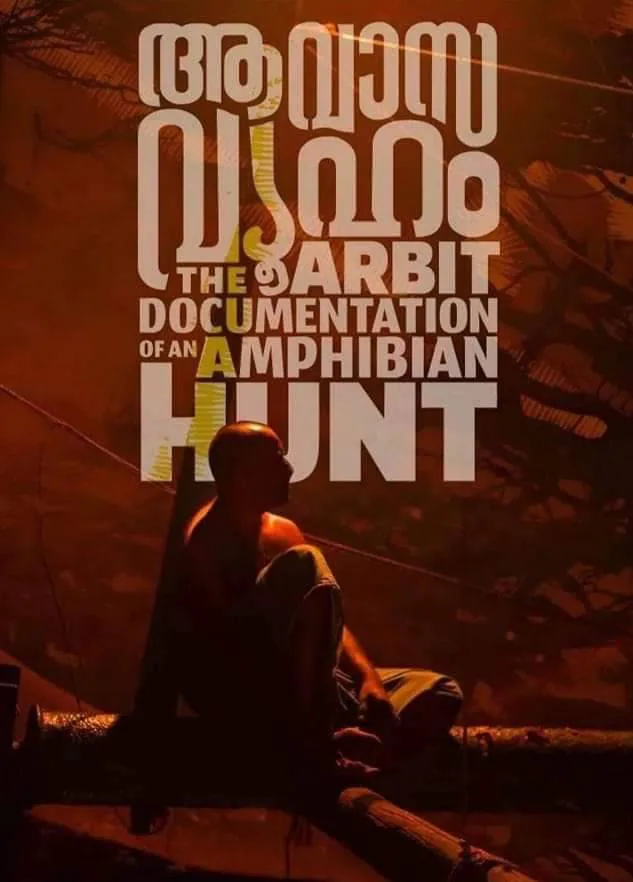
പരിസ്ഥിതിനിയമങ്ങൾക്കും ആവാസവ്യവസ്ഥകൾക്കും കടകവിരുദ്ധമായി പ്രവർത്തിക്കുന്ന വികസനപദ്ധതികളിലൂടെ നശിച്ചുകൊണ്ടിരിക്കുന്ന കേരളത്തിന്റെ തീരപ്രദേശങ്ങളെ പറ്റിയുള്ള, അല്ലെങ്കിൽ കടലിന്റെയും കരയുടെയും ബന്ധത്തെ പറ്റിയുള്ള, മറക്കാൻ പറ്റാത്ത സിനിമയാണ് യുവ സംവിധായകനായ കൃഷാന്തും കൂട്ടരും കഥയെഴുതി സംവിധാനം ചെയ്ത ആവാസവ്യൂഹം: The Arbit Documentation of an Amphibian Hunt. 2022 -ലെ മികച്ച സിനിമയ്ക്കുള്ള സ്റ്റേറ്റ് അവാർഡ് ലഭിച്ച സിനിമയാണ് ആവാസവ്യൂഹം. ഒരു Mock Documentary യുടെ ബാഹ്യരൂപലക്ഷണങ്ങൾ അനുകരിച്ചെടുത്തിരിക്കുന്ന ഈ സിനിമ മുതിർന്നവർക്കുള്ള ഒരു fairy tale ആയോ, അല്ലെങ്കിൽ എന്തോ നിഷേധിക്കാനാവാത്ത ആത്യന്തികമായ പരമാർത്ഥത്തിന്റെ ദൃഷ്ടാന്തമായോ കാണാവുന്നതാണ്. “What is normal for the spider is chaos for the fly” എന്ന് Morticia Addams പ്രസ്താവിച്ച ഖണ്ഡിക്കാനൊക്കാത്ത പരമാർത്ഥമാണ് ആവാസവ്യൂഹത്തിന്റെ epigraph, അല്ലെങ്കിൽ, സിനിമയുടെ സ്മാരകവാക്യം.
ആവാസവ്യൂഹം പോസ്റ്റർ
Mock Documentary ക്ക് ഡോക്യുമെന്ററിയോട് എന്താണ് ബന്ധം? ഡോക്യുമെന്ററി എന്നാൽ എവിടെയോ എന്തോ സത്യമുണ്ട് എന്നാണല്ലോ. ഡോക്യുമെന്ററി സിനിമകൾക്ക് വസ്തുതകളോടാണ് അടുപ്പം. കാല്പനികമായ സങ്കല്പങ്ങൾ കുറവും വസ്തുതകൾ കൂടുതലും. മോക്ക് ഡോക്യുമെന്ററികൾ ഡോക്യുമെന്ററികളുടെ പുറം ചട്ടകൾ, അവയുടെ codes, conventions എന്നിവയെ ഹാസ്യാത്മകമായി അനുകരിച്ചു വസ്തുനിഷ്ഠമല്ലാത്ത അല്ലെങ്കിൽ വസ്തുനിഷ്ഠമാകണമെന്നില്ലാത്ത ഒരു കഥ പറയുന്നു. ഉദാഹരണത്തിന്, റ്റായ്ക വൈറ്റിറ്റിയുടെ What We Do in the Shadows ‘വാംപയറുകളെ’ പറ്റിയുള്ള ‘ഡോക്യുമെന്ററി’ ആണ്.
മോക്ക് ഡോക്യുമെന്ററികൾ പലപ്പോഴും parody -കൾ മാത്രമാണ്. ക്രിസ്റ്റഫർ ഗെസ്റ്റ് സംവിധാനം ചെയ്ത This is Spinal Tap, Best in Show, റ്റായ്ക വൈറ്റിറ്റിയുടെ What We do in the Shadows തുടങ്ങിയ ക്ലാസിക് മോക്ക് ഡോക്യൂമെന്ററികൾ, documentary form വളരെ വിശ്വാസകരമായ രീതിയിൽ പാരഡി ചെയ്തു നമ്മളെ ചിരിപ്പിക്കുന്നു. പൊതുവെ കോമഡി എന്തിനെ തൊട്ടാലും അവയെ കുറച്ചു താഴ്ത്തിയാണല്ലോ കാണിക്കുന്നത്. മോക്ക് ഡോക്യൂമെന്ററികളും സാധാരണ അങ്ങനെ തന്നെയാണ് ഫലിതം ഉപയോഗിക്കുന്നത്. ഈ സിനിമകളിൽ എന്തിനെയാണോ കളിയാക്കിയിരിക്കുന്നത് ആ വിഷയങ്ങളെ പറ്റി നമ്മൾ കൂടുതൽ മനസ്സിലാക്കുന്നു, ഇത്തരം പാരടിയിൽ കൂടി. ഡോക്യൂമെന്ററികൾ നമ്മളെ പലവിധ മാനസിക തലങ്ങളിലേക്ക് കൊണ്ട് പോകും. അറിവ്, സന്തോഷം, സങ്കടം, ക്ഷോഭം, സ്തംഭനം എന്നിങ്ങനെ പലതും. പക്ഷെ അറിവിന്റെയൊപ്പം മിക്കവാറും പുച്ഛം കലരാത്ത നിഷ്കളങ്കമായ കളിയാക്കി ചിരിയാണ് മോക്ക് ഡോക്യൂമെന്ററികൾ നമുക്ക് തരുന്നത്.
‘ആവാസവ്യൂഹം’ നമ്മളിൽ തിരിച്ചറിവിന്റേതായ ചിരി ഉണർത്തുന്ന സിനിമയാണെങ്കിലും വ്യത്യസ്തമായ ഒരു മോക്ക് ഡോക്യൂമെന്ററി കൂടിയാണ്. ഈ സിനിമയിൽ ശരിയായ ഡോക്യൂമെന്ററികൾ പോലെ തന്നെ വസ്തുതകൾ കൂടുതലാണ്. മുഴുവൻ സിനിമയും വസ്തുനിഷ്ഠമാണെന്നു തന്നെ പറയാം. ഡോക്യൂമെന്ററികളുടെ ഫോം പാരഡി ചെയ്യുക മാത്രമല്ല, കേരള സമൂഹത്തിന്റെ തന്നെ ഒരു സോഷ്യൽ സറ്റയർ ഈ സിനിമയിലുണ്ട്. എന്നാൽ ഈ ആക്ഷേപഹാസ്യത്തെ വളരെ തന്മയത്വത്തോട് കൂടി അതിമാനുഷമോ അമാനുഷമോ ആയ ഒരു കഥയുമായി വളരെ മനോഹരമായി കൃഷാന്തും കൂട്ടരും ബന്ധിപ്പിച്ചിരിക്കുന്നു. Satire -ഉം മിത്തും ഒരേ സ്ഥലത്തു ചേർന്ന് കിടക്കുന്ന സിനിമയാണ് ആവാസവ്യൂഹം.
ആവാസവ്യവസ്ഥിതികൾക്കു അനുയോജ്യമല്ലാത്ത കേരളത്തിലെ വികസനമാണ് ഈ സിനിമയിലെ ഒരു hard satirical target. വികസനം പരിഹാസയോഗ്യമായ വിഷയമാണോ? വികസിക്കുന്നത് നല്ലതിനല്ലേ? കേരളത്തിലെ വികസനത്തിനെ കളിയാക്കേണ്ട കാര്യമുണ്ടോ? ഈ സിനിമയിൽ ഈ ചോദ്യത്തിന് പ്രത്യക്ഷത്തിലൊരു ഉത്തരമുണ്ട്. കാര്യമായ ഗൗരവമുള്ള ഉത്തരം. പക്ഷെ അത് പ്രധാന കഥയ്ക്ക് വെളിയിൽ അവസാനം ക്രെഡിറ്റ്സ് കാണിക്കുമ്പോഴാണ് ഉൾപ്പെടുത്തിയിരിക്കുന്നത്. പുതുവൈപ്പിലെ ഇന്ത്യൻ ഓയിൽ കോർപ്പറേഷന്റെ പുതിയ പ്ലാന്റ്, അതിനെ ചുറ്റിയുള്ള പ്രതിഷേധ പ്രകടനങ്ങൾ, അവിടുത്തെ സെക്ഷൻ 144 പ്രഖ്യാപനം, സുഗതകുമാരി ടീച്ചറിന്റെയും വേറെ ആക്ടിവിസ്റ്റുകളുടെയും ചെറിയ cameo clips എന്നിവ സിനിമയിലെ വികസനത്തിന് നേരെയുള്ള പ്രത്യുത്തരം നമുക്ക് മനസ്സിലാക്കി തരുന്നുണ്ട്.
പുതുവൈപ്പിനിലെ പ്രതിഷേധം. സിനിമയിലെ ദൃശ്യം
പല കാരണങ്ങൾ കൊണ്ടും 2022 ൽ തീർച്ചയായും കേരളത്തിലെ വികസന പരിപാടികൾ പരിഹാസയോഗ്യമെന്ന് നിസ്സംശയം പറയാം. ഉദാഹരണത്തിന്, ഇപ്പോൾ കേരളത്തിനെ ആകെ ഉലയ്ക്കുന്ന വിഴിഞ്ഞം പോർട്ട് പണി തന്നെ നോക്കുക. ‘ആവാസവ്യൂഹം’ വിഴിഞ്ഞം പോർട്ട് പണിയേ പറ്റിയുള്ള സിനിമയല്ല. പക്ഷെ വികസനം സിനിമ പോലെയുള്ള കലാരൂപങ്ങൾക്കു പരിഹാസയോഗ്യമാകുന്നതെങ്ങിനെ എന്ന് വിഴിഞ്ഞം പോർട്ട് പണി പഠിച്ചാൽ മനസ്സിലാകും. ഒരു ചെറിയ വ്യതിചലനം ഇവിടെ ക്ഷമിക്കുക.
1. ഇന്ത്യയിൽ തന്നെ എവിടെയും കീഴ്വഴക്കമില്ലാത്ത വിധം ഒരു പബ്ലിക്-പ്രൈവറ്റ് പാർട്ണർഷിപ്പിൽ കൂടിയാണല്ലോ വിഴിഞ്ഞത്തു കേരള സർക്കാർ പോർട്ട് പണിയിക്കുന്നത്. പൊതുവായി ലഭ്യമായ രേഖകൾ വായിച്ചാൽ മനസ്സിലാകുന്നത് പോർട്ട് പണിയുടെ ആദ്യത്തെ 4089 കോടി രൂപയുടെ കരാറിൽ നിന്നും ഇപ്പോൾ പോർട്ടിന്റെ ബില്ല് 7524 കോടിയായി വികസിച്ചിട്ടുണ്ട് എന്നാണ്. ഈ 7524 കോടിയുടെ ഉത്തരവാദിത്വം 57 ശതമാനം കേരള സർക്കാറിനും, 11 ശതമാനം കേന്ദ്ര സർക്കാരിനും, പിന്നെ 32 ശതമാനം അദാനിക്കുമാണ്. അതായത് ഈ പോർട്ട് അദാനി പണിയുന്നെങ്കിലും ഭൂരിഭാഗം കാശിറക്കുന്നത് കേരള സർക്കാരാണ്. ഈ പോർട്ട് കേരള സർക്കാരിന്റെ ആവശ്യമാണ്. 351 ഏക്കർ (142 ഹെക്ടർ) ഭൂമിയാണ് പോർട്ട് പണിയാനായി കേരള സർക്കാർ അദാനിക്ക് കൊടുത്തിരിക്കുന്നത്. അതിൽ 131 ഏക്കർ ( 53 ഹെക്ടർ) കടൽ കയ്യേറി വീണ്ടെടുത്ത ഭൂമിയാണ്.
വിഴിഞ്ഞത്തു വരാൻ പോകുന്ന പോർട്ട് ട്രാൻഷിപ്പ്മെന്റ് പോർട്ട് ആണ്; അതായത് പോയിന്റ് A യിൽ നിന്നും പോയിന്റ് B യിലേക്ക് പോകുന്ന international commercial cargo ships – ആണ് അദാനിയുടെയും കേരള സർക്കാരിന്റെയും കഥകളിൽ ഏറ്റവും കൂടുതലായി വിഴിഞ്ഞത്തുകൂടി പോകാൻ പോകുന്നത്. ഇപ്പോൾ ഇന്ത്യൻ ഉപഭൂഖണ്ഡത്തിലെ തന്നെ പോർട്ടുകളിൽ കൂടി നാല് ശതമാനം ഗ്ലോബൽ കൊമേഷ്യൽ ഷിപ്പിംഗ് ട്രാഫിക് മാത്രമേ നടക്കുന്നുള്ളൂ. 35 ശതമാനം ഷിപ്പിംഗ് ട്രാഫിക് കൊളംബോ (ശ്രീലങ്ക) വഴിയും, 61 ശതമാനം സിംഗപ്പൂർ, സലാല (ഒമാൻ), ജബൽ അലി (ദുബായ്) എന്നീ പോർട്ടുകളിൽ കൂടിയുമാണ് നടത്തി പോരുന്നത്. വിഴിഞ്ഞം പോർട്ട് ലാഭകരമായി നടത്തിക്കൊണ്ടുപോകണമെങ്കിൽ ഈ മുകളിൽ പറഞ്ഞിരിക്കുന്ന മറ്റു പോർട്ടുകളിൽ നിന്നും ഇന്റർനാഷണൽ ഷിപ്പിംഗ് ചാനൽ തിരിച്ചുമാറ്റി വിഴിഞ്ഞത്തുകൂടി കൊണ്ട് വരണം. എന്നാൽ കൊളംബോ, സിംഗപ്പൂർ, ഒമാൻ, ദുബായ് മുതലായ പോർട്ടുകളിൽ നിന്നും, എന്തിനു കേരളത്തിനുള്ളിൽ കൊച്ചി പോർട്ടിൽ നിന്നും, തമിഴ്നാട്ടിൽ തൂത്തുക്കുടി പോർട്ടിൽ നിന്നും വിഴിഞ്ഞം പോർട്ടിന് ശക്തമായ മത്സരം ഉണ്ടാകുമെന്നാണ് എല്ലാ സാധ്യതാ പഠനങ്ങളും കാര്യകാരണസഹിതം വിശദീകരിച്ചിട്ടുള്ളത്. അതുകൊണ്ട് വിഴിഞ്ഞത്ത് കപ്പൽ വരാൻ കേരള സർക്കാർ ഒരു ഇൻസെന്റീവ് കൊണ്ട് വന്നിട്ടുണ്ട്. വിഴിഞ്ഞത്ത് കപ്പലുകൾ കൊടുക്കേണ്ട ഷിപ്പിംഗ് ട്രാഫിക് 30 ശതമാനം വരെ കേരള സർക്കാർ ഇളവ് ചെയ്യുന്നതായി ഇന്റർനാഷണൽ ഫൈനാൻസ് കോർപ്പറേഷന്റെ (IFC) Strategic Option Report ൽ പറയുന്നുണ്ട്. വിഴിഞ്ഞത്ത് വിലയിടിവ്! ഇന്നേക്ക് മാത്രം! ഒന്ന് വെച്ചാൽ രണ്ട് ! രണ്ടു വെച്ചാൽ നാല്! വെയ് രാജാ വെയ്!
2. വിഴിഞ്ഞത്ത് പോർട്ട് മാത്രമല്ല, 30 ശതമാനം കാണായ കരയിൽ ഒരു കൊമേഷ്യൽ റിയൽ എസ്റ്റേറ്റ് ഡവലപ്മെന്റ് കൂടിയാണ് സർക്കാർ പണിയുന്നത്. എന്തിന് എന്ന് നമ്മൾക്ക് സ്വാഭാവികമായും ചോദിക്കാം. തിരുവനന്തപുരത്തു ഇനി എന്താണ് വിൽക്കാനുള്ളത്? ഇപ്പോൾ ‘പദ്ധതിബാധിത പ്രദേശങ്ങൾ’ എന്ന് പത്രങ്ങളിൽ വിശേഷിപ്പിക്കുന്ന ഈ സ്ഥലങ്ങളിൽ പരമ്പരാഗതമായി ദാരിദ്ര്യരേഖക്ക് താഴെ കഷ്ടപ്പെട്ട് കഴിയുന്ന മത്സ്യത്തൊഴിലാളികളും മറ്റു തീരദേശനിവാസികളും ആണ് താമസിക്കുന്നത്. കടലിന്റെ പരിസ്ഥിതിയോടും ആവാസവ്യവസ്ഥകളോടും കൂടി ചേർന്ന് നിന്ന് കാലാവസ്ഥാവ്യതിയാനങ്ങളുടെ ഏറ്റക്കുറച്ചിലുകൾ അതിജീവിച്ചും അതിജീവിക്കാതെയും ചുഴലിക്കാറ്റിനോടും, കടൽക്ഷോഭത്തിനോടും, പ്രളയത്തിനോടും മല്ലിട്ട് വിഭവസമാഹരണവും ഉപജീവനമാർഗവും നടത്തുന്ന മത്സ്യത്തൊഴിലാളികൾ താമസിക്കുന്ന വീടുകളും കുടിലുകളും കുറച്ചു ബീച്ച് ടൂറിസവും നടന്നിരുന്ന ഈ പ്രദേശങ്ങളിൽ സർക്കാരും അദാനിയും ഇവിടുത്തെ ആവാസവ്യവസ്ഥകളെ അപ്പാടെ തകിടം മറിക്കുന്ന പോർട്ടും, കൊമേഷ്യൽ റിയൽ എസ്റ്റേറ്റ് ഡവലപ്മെന്റും പണിയുന്നതെന്തിന്? എന്നിട്ട് ഈ കൊമേഷ്യൽ റിയൽ എസ്റ്റേറ്റ് ഡവലപ്മെന്റിൽ നിന്നുള്ള ആദായത്തിൽ കേരള സർക്കാരിന് യാതൊരു അവകാശവുമില്ല എന്നറിയുമ്പോൾ വാസ്തവത്തിൽ നമ്മൾ ഞെട്ടേണ്ടതാണ്.
ഇത്ര അക്രമങ്ങൾ കഴിഞ്ഞ് എന്താണ് വിഴിഞ്ഞം പോർട്ടിന്റെ സർക്കാർ ഖജനാവിലേക്കുള്ള വരവ്? ഇപ്പോഴത്തെ കരാറുകൾ അനുസരിച്ചു ആദ്യത്തെ 15 വർഷത്തേക്ക് കേരള സർക്കാരിന് വിഴിഞ്ഞം പോർട്ടിൽ നിന്നും യാതൊരു ആദായവും ഇല്ല. അതിനു ശേഷം ഓരോ വർഷവും അദാനി ഒരു ശതമാനം റവന്യൂ കേരള സർക്കാരുമായി പങ്കുവെയ്ക്കും.
വിഴിഞ്ഞത്തെ മത്സ്യത്തൊഴിലാളി സമരം. കടപ്പാട്: ദി ഹിന്ദു
3. Sea walls, breakwater construction എന്നിവക്കായി കേരളത്തിലും തമിഴ്നാട്ടിലുമായി പശ്ചിമ ഘട്ടത്തിൽ വരെ ഖനനം ചെയ്താണ് അദാനി 70 ലക്ഷം മെട്രിക് ടൺ കരിങ്കല്ല് വിഴിഞ്ഞത്തു കൊണ്ടുവരുന്നത്. ആദ്യം കൊണ്ടിട്ടിരുന്ന കരിങ്കല്ലുകൾ കഴിഞ്ഞ ചുഴലിക്കാറ്റിൽ കടലെടുത്തു കൊണ്ട് പോവുകയും ചെയ്തു. ഇതുവരെ 19 ക്വാറികൾ നടത്തിക്കാനുള്ള എൻ.ഒ.സി (No Objection Certificate) കേരള സർക്കാർ അദാനി ഗ്രൂപ്പിന് കൊടുത്തു കഴിഞ്ഞു. തിരുവനന്തപുരത്തു 11 ക്വാറികൾ, പത്തനംതിട്ടയിൽ 5 ക്വാറികൾ, കൊല്ലത്തു 2 ക്വാറികൾ ഇവ അദാനി ഗ്രൂപ്പിന് കിട്ടി കഴിഞ്ഞു. ഇനിയും എത്ര ഉരുൾപൊട്ടലുകൾ, എത്ര മണ്ണിടിച്ചിലുകൾ, എത്ര അപകടമരണങ്ങൾ, എത്ര കോടി രൂപയുടെ നാശനഷ്ടങ്ങൾ, ഇനിയും എത്ര മനുഷ്യരും മൃഗങ്ങളും പരിസ്ഥിതിയും പ്രകൃതിയും നശിക്കണം കേരളത്തിൽ ഖനന നിയന്ത്രണം നടപ്പിലാക്കാൻ?
4. കടൽ പരിസ്ഥിതിയിൽ കടലിന്റെയും കടൽത്തീരത്തിന്റെയും ആവാസവ്യവസ്ഥിതിയിൽ പോർട്ട് പണിവരുത്തിയിട്ടുള്ള സമ്മർദങ്ങൾ ഏറ്റവുമധികം ബാധിക്കുന്നത് ഇവിടുത്തെ തീരദേശനിവാസികളെയാണ്. Breakwater construction, sea wall construction എന്നിവ കൊണ്ടും, ഹാർബർ ചാനലിലെ മണൽ അടിയൽ (silting) എന്നിവ കൊണ്ടും വള്ളങ്ങൾ ഇടിച്ചു മറിഞ്ഞുള്ള അപകട മരണങ്ങൾ, തീരശോഷണം, മണൽ ചോർച്ച, മണൽ അടിയൽ, കടൽത്തിട്ടയിൽ ഷിപ്പിംഗ് ചാനലുകൾ ഉണ്ടാക്കാനുള്ള ഡ്രെഡ്ജിംഗ് കൊണ്ട് വേലിയേറ്റത്തിലും വേലിയിറക്കത്തിലും ഉണ്ടാകുന്ന അപകടകരമായ വ്യതിയാനങ്ങൾ, കടലിലെ പാറക്കൂട്ടങ്ങളും അവയിൽ വസിക്കുന്ന മീനുകൾ, കക്കകൾ, കടുക്കകൾ മുതലായ ജീവികളുടെയും വംശതിരോധാനം, വംശനഷ്ടം, അതിശക്തമായുള്ള തിരയിളക്കം, കടൽക്ഷോഭം, കടലേറ്റം, കടലാക്രമണം എന്നീ ദുരന്തങ്ങൾ നിത്യേന എന്ന് പറയാവുന്ന വിധം സഹിക്കുന്നവരാണ് വിഴിഞ്ഞം പോർട്ടിന്റെ സമീപതീരദേശവാസികൾ. മാത്രമല്ല, ഇന്ത്യൻ ഉപഭൂഖണ്ഡത്തിന്റെ തെക്കുഭാഗത്തെ അങ്ങേയറ്റത്തു നിന്നും ഏകദേശം 50 നോട്ടിക്കൽ മൈൽ ദൂരത്തിൽ സ്ഥിതി ചെയ്യുന്ന ‘വാഡ്ജ് ബാങ്ക്’ എന്ന കടലിലെ ഏറ്റവും ഉത്പ്പാദനശേഷിയുള്ളതും 200 – ഓളം വ്യത്യസ്തതരത്തിലുള്ള മീനുകളുടെയും മറ്റു ജലജീവികളുടെയും വിളനിലവുമായ സമുദ്രത്തിന്റെ ഏറ്റവും സമൃദ്ധമായ അടിത്തട്ടിന്റെ നേരെ നടുവിൽ കൂടിയാണ് വിഴിഞ്ഞം വാണിജ്യ തുറമുഖത്തിന്റെ ഷിപ്പിംഗ് ചാനൽ പോകുന്നത്. മീനും കക്കയും കടുക്കയും ചത്തൊടുങ്ങിയാൽ, അവരെ തൊട്ടു ജീവിക്കുന്ന മനുഷ്യർ നശിച്ചാൽ, കേരളത്തിലാർക്കെങ്കിലും ഖേദമുണ്ടോ?
ചിരിച്ചില്ലെങ്കിൽ കരയും. മുകളിൽ നമ്പറിട്ട് എഴുതിയിരിക്കുന്ന ഓരോ വസ്തുതകളും ഒന്നാംതരം ആക്ഷേപഹാസ്യ വിഷയമാണ്. ആക്ഷേപഹാസ്യം (satire) മനുഷ്യരുടെ ദുരാചാരങ്ങളെ പുറത്തുകൊണ്ടുവരുന്നു.
***
‘ആവാസവ്യൂഹം’ കരയുടെയും കടലിന്റെയും ബന്ധത്തിന്റെ കഥയാണ്. സിനിമ തുടങ്ങുന്നത് Mysticellus Joy എന്ന ഒരു ‘particular തവള’യെ തപ്പി കേരളത്തിന്റെ പശ്ചിമ ഘട്ടത്തിൽ പോകുന്ന കുറെ ശാസ്ത്രജ്ഞരുടെ ഇന്റർവ്യൂവിൽ കൂടിയാണ്. തവളകൾ ഉഭയജീവകള് ആണല്ലോ, വെള്ളത്തിലും കരയിലും ഒരേ പോലെ ജീവിക്കാൻ കഴിവുള്ളവർ. തവളകൾ പാരിസ്ഥിതിക സൂചകങ്ങൾ (ecological indicators) കൂടിയാണ്. പരിസ്ഥിതിയുടെ പോഷണവും ശോഷണവും ഒരേപോലെ സൂചിപ്പിക്കാൻ കഴിയുന്ന ജീവികൾ ആണ് തവളകൾ. തവളകളുടെ തിരോധാനം പരിസ്ഥിതിയുടെ തകർച്ചയാണ് പലപ്പോഴും ചൂണ്ടിക്കാണിക്കുന്നത്.
ലബോറട്ടറിയിലെ ഗ്ലാസ് ജാറുകളിൽ കേടു വരാതെ ഫോർമാൽഡിഹൈഡിൽ പൊങ്ങി കിടക്കുന്ന ചത്ത തവളകൾ, വേറെ ജന്തുജീവികൾ, (ഒരു മനുഷ്യക്കുഞ്ഞും ഉണ്ട് കൂട്ടത്തിൽ) എന്നിവയുടെ ക്ലോസപ്പുകളോടെ തുടങ്ങുന്ന ‘ആവാസവ്യൂഹം’ ആദ്യത്തെ ഫ്രെയിമിൽ തന്നെ നമ്മളെ ഡോക്യൂമെന്ററിയുടെ ലോകത്തേക്ക് ക്ഷണിക്കുന്നു. തുടക്കം മുതൽ തന്നെ ഈ സിനിമയിൽ പശ്ചാത്തല സംഗീതം വളരെ അർത്ഥവത്തായി ഉപയോഗിച്ചിട്ടുണ്ട്. ഒരു സസ്പെൻസ് സിനിമയിലെ പോലെ അജ്മൽ ഹസ്ബുള്ളയുടെ percussive ആയിട്ടുള്ള string arrangements നമ്മളെ ലബോറട്ടറിയിൽ നിന്നും മറ്റൊരു ലൊക്കേഷനിലേക്ക്, മറ്റൊരു അന്വേഷണത്തിലേക്ക് പറത്തിക്കൊണ്ടു പോകുന്നു. ഒരുവശത്ത് തവളയെ തേടി പോകുന്ന ശാസ്ത്രജ്ഞർ. മറുഭാഗത്തു പുതുവൈപ്പ് എന്ന തുരുത്തിലെ കൊലപാതകത്തിന്റെയും വിചിത്രജീവിയുടെയും സത്യാവസ്ഥകളുടെ അന്വേഷണം.
സിനിമയിലെ എല്ലാ പ്രധാന കഥാപാത്രങ്ങളും താന്താങ്ങളുടെ സ്ഥലത്തു മൈക്ക് ടെസ്റ്റിംഗ് ചെയ്തു ഇന്റർവ്യൂവിനായി തയ്യാറാകുന്നു. സംവിധായകൻ തവളയെ തേടിയുള്ള പശ്ചിമഘട്ടത്തിലേക്കുള്ള ശാസ്ത്രജ്ഞരുടെ പോക്കും ഈ കൊലപാതകത്തിനെ സംബന്ധിച്ചുള്ള അഭിമുഖങ്ങളുടെ തയ്യാറെടുപ്പും തമ്മിൽ വളരെ വേഗം cross -cut ചെയ്ത് ഇവ രണ്ടും തമ്മിലുള്ള അടുത്ത ബന്ധം ആദ്യത്തെ ഒരു മിനിറ്റിനുള്ളിൽ തന്നെ ഉറപ്പിക്കുന്നു. ഗ്ലാസിൽ കിടക്കുന്ന ജീവികളും പുതുവൈപ്പിലെ ജനങ്ങളും തമ്മിലുള്ള ബന്ധം നമ്മൾ വളരെ വേഗം മനസ്സിലാക്കുന്നു.
എവിടെ വെച്ച് കട്ട് ചെയ്താലാണ് നമുക്ക് ഏറ്റവും കൂടുതൽ ചിരി വരുക എന്നുള്ളതാണെന്നു തോന്നുന്നു ഈ ആദ്യത്തെ കുറെ സീനുകളുടെ പ്രധാന ബീറ്റ്. വളരെ രസമുള്ള രീതിയിലാണ് ഈ സിനിമയുടെ സ്ക്രിപ്റ്റിംഗും ഡയലോഗും എഡിറ്റിംഗും കൈകാര്യം ചെയ്തിരിക്കുന്നത്. ഉദാഹരണത്തിന്, ഡോ. സെബാസ്റ്റ്യൻ പോൾ എന്ന ശാസ്ത്രജ്ഞൻ, യൂണിവേഴ്സിറ്റി ഓഫ് ഡൽഹിയിലെ ആംഫിബിയൻ ഡിപ്പാർട്മെൻറ് ഹെഡിന്റെ ഡയലോഗ്. ഇദ്ദേഹം പറയുന്നതൊക്കെ ശാസ്ത്രീയമായ വസ്തുതകളാണെങ്കിലും ഇവ നമ്മളെ വല്ലാതെ ചിരിപ്പിക്കും.
ഡോ. സെബാസ്റ്റ്യൻ പോൾ സംസാരിക്കുന്നു. സിനിമയിലെ ദൃശ്യം
ഇംഗ്ലീഷും മലയാളവും കൂടി കലർത്തിയുള്ള ഇദ്ദേഹത്തിന്റെ ആത്മവിശ്വാസം തുളുമ്പുന്ന പ്രഭാഷണം ഈ സിനിമയുടെ വികസനമെന്ന പ്രമേയത്തിന്റെ മറ്റൊരു ഹാസ്യ പ്രാധാന്യമുള്ള മുഖമുദ്രയാണ്:
“Let me get straight to the point. We were searching for tropical frog. This particular തവള. Mysticellus Joy. Western Ghatsൽ–അത് കഴിഞ്ഞാൽ പിന്നെ ഇതിന്റെ അടുത്ത ബന്ധു അങ്ങ് South Asiaയിൽ ആണ് — ഈ ഒരു frogനെ കുറിച്ച് കൂടുതൽ പഠിക്കാൻ വേണ്ടി ഞങ്ങൾ Western Ghats forestന്റെ ഉള്ളിൽ ഒരു small expedition. എന്റെ ടീമിൽ നാല് പേരാണ്. സുധാമണി who is heading the research. അദിതി junior researcher. And Madhu. Madhu is doing a research on dragonflies. പുള്ളിക്കാരൻ കേരളത്തിലെ തുമ്പികളുടെ വംശനാശത്തേ കുറിച്ച് PhD ചെയ്യുകയാണ്.”(1:10 -1:55 ).
ആവാസവ്യൂഹത്തിന്റെ ചില പ്രധാന പ്രമേയങ്ങൾ – ജീവജാലങ്ങളുടെ വംശനാശം, തവളകൾ, ഗവേഷണകുതുകികളുടെ പ്രത്യേക ലോകം, ശാസ്ത്രതാത്പര്യം, Mysticellus Joy എന്ന particular തവള – ഇവയെല്ലാം ആദ്യത്തെ രണ്ടു മിനിറ്റിനുള്ളിൽ തന്നെ അസാധാരണ ചാതുര്യത്തോടെ സംവിധായകൻ നമുക്ക് പരിചയപ്പെടുത്തി തരുന്നു. കഥയിലെ നായകനായ ജോയ് എന്ന ആജാനുബാഹുവിനെ നമ്മൾ ആദ്യം പരിചയപ്പെടുന്നത് Mysticellus Joy എന്ന തവളയുടെ വാസസ്ഥലം അന്വേഷിച്ചു പോകുന്ന ശാസ്ത്രജ്ഞരുടെ കൂടെയാണ്. തവളയെ കാണിച്ചു കൊടുക്കാൻ പോകുന്നത് തവളയുടെ തന്നെ പേരുള്ള ജോയ് ആണ്. ഐതിഹ്യങ്ങളിൽ അമ്പലത്തിലോട്ടുള്ള വഴി ഭഗവതി തന്നെ കാണിച്ചു തരുന്നത് പോലെ, ജോയ് അവരെ കാടിന്റെ ഉള്ളിൽ കൊണ്ട് പോകുന്നു. അയാൾ വിളിക്കുമ്പോൾ തവളകൾ അവരുടെ ഒളിസ്ഥലങ്ങളിൽ നിന്നും പതുക്കെ, പതുക്കെ തുള്ളി ചാടി വെളിച്ചത്തിലേയ്ക്ക് വീഴുന്നു. ജോയ് എന്ന കഥാപാത്രത്തെ ശാസ്ത്രജ്ഞരുടെ ചർച്ചയിലൂടെ അവതരിപ്പിക്കുന്നത് കൊണ്ട് ആദ്യം മുതൽത്തന്നെ കഥയിൽ സയൻസും മിത്തും തമ്മിലുള്ള ഒരു സംവാദം നമുക്ക് കേൾക്കാം. ഇയാൾ കള്ളനാണ്, തവളയെ ഒളിപ്പിച്ചു വെച്ചിട്ടു അവരെ കളിപ്പിച്ചു കാണിക്കാൻ വിളിക്കുന്നതാണ് എന്നൊക്കെ സയന്റിസ്റ്റുകൾ പറയുന്നുണ്ട്.
കാട്ടിലൂടെ ജോയ് കള്ളനാകാൻ വഴിയുണ്ട് എന്ന് പറഞ്ഞു തവളയെയും തപ്പി റെക്കോർഡിങ് ഇൻസ്ട്രുമെന്റ്സുമായി സയന്റിസ്റ്റുകൾ നടക്കുന്ന സീനുകൾ വളരെ മനോഹരമായിട്ടാണ് ചിത്രീകരിച്ചിരിക്കുന്നത്. ഒരു ഡോക്യൂമെന്ററിക്ക് വേണ്ട വസ്തുനിഷ്ഠതയെ വളരെ ഒതുക്കത്തോടും ചിട്ടയോടും കൂടിയാണ് ഈ സീനുകളിൽ കാല്പനികമായ അല്ലെങ്കിൽ മിത്തിക്കൽ ആയ കഥാപാത്രവുമായിട്ട് പരസ്പരം ബന്ധിപ്പിച്ചിരിക്കുന്നത്. സയന്റിസ്റ്റുകൾ വംശനാശത്തെ പറ്റി ചർച്ച ചെയ്യുമ്പോൾ, പുതിയ തവളയുടെ താവളം തേടി നടക്കുമ്പോൾ ഇരുട്ടിൽ മിന്നി തെളിയുന്ന ഓരോ ഫ്രെയിമിലും നമ്മൾ പശ്ചിമ ഘട്ടത്തിലെ കാടുകളിൽ കണ്ടു വരുന്ന വിവിധ ജാതി തവളകൾ, തുമ്പികൾ, ഓന്തുകൾ എന്നിവയെ ഒരു നോക്ക് കാണുന്നു. ഓരോ ജീവിയും പുല്ലിലും, കൊമ്പിലും, കുണ്ടിലും, കുഴിയിലും, വെള്ളത്തിലും നിമിഷ നേരത്തേക്ക് മിന്നി മറയുമ്പോൾ അതിന്റെ വംശപ്പേര് സ്ക്രീനിൽ നിമിഷ നേരത്തേക്ക് തെളിഞ്ഞു വരുന്നു. Golden backed frog, Seshachar’s Bush Frog, Indian Bull Frog, Mysticellus Franki, Beddome’s Bush Frog, Indirana Phrynoderma, Raorchestes Jayarami, Anamalai Gliding Frog, Elliot’s Forest Lizard, Moth Callidulidae, Bush Cricket, Asian Common Toad, Bombardier Beetle എന്നിങ്ങനെ കാട് മുഴുവൻ കുറ്റാകുറ്റിരുട്ടത്തും ത്രസിക്കുന്ന ജീവന്റെ പാർപ്പിടമാണെന്നു നാമറിയുന്നു.
സിനിമയിലെ ദൃശ്യം
ഒരുപക്ഷെ പശ്ചിമഘട്ടത്തിലെ ജൈവവൈവിധ്യം ജീവിതത്തിൽ ആദ്യമായും അവസാനമായും ആവാസവ്യൂഹത്തിൽ ഒരു സിനിമാ തീയറ്ററിലായിരിക്കണം നമ്മളിൽ പലരും കണ്ടിരിക്കാനിടയാവുന്നത്. ഇങ്ങനെ ജൈവവൈവിധ്യത്തിന്റെയും വംശനാശത്തിന്റെയും ശാസ്ത്രീയവും സാമൂഹികവുമായ സംവാദത്തിന്റെ പശ്ചാത്തലത്തിലൂടെയാണ് ‘ആവാസവ്യൂഹം’ ജോയ് എന്ന അമാനുഷന്റെ, സിനിമയിലെ L’homme Grenouille -frogman – തവളമനുഷ്യന്റെ കഥ ചിത്രീകരിച്ചിരിക്കുന്നത്.
കൊച്ചിക്കടുത്തു വൈപ്പിൻ ദ്വീപിന്റെ ഭാഗമായ പുതുവൈപ്പിൽ നടക്കുന്ന ആവാസവ്യൂഹത്തിലെ പ്രധാന കഥാപാത്രങ്ങൾ കടപ്പുറത്തു മത്സ്യബന്ധനത്തിൽ ഏർപ്പെട്ടിരിക്കുന്നവരാണ്, തരകന്മാരായും, തൊഴിലാളിമാരായും. പുതുവൈപ്പ് അതിവേഗം വ്യവസായവൽക്കപ്പെട്ടുകൊണ്ടിരിക്കുന്ന ഇടമാണ്. കൊച്ചിൻ റിഫൈനറീസ്, ഭാരത് പെട്രോളിയം കോർപറേഷൻ, ഇന്ത്യൻ ഓയിൽ കോർപറേഷൻ, LNG പ്ലാന്റുകൾ എന്നിങ്ങനെ പല വലിയ ഘനവ്യവസായങ്ങൾ ഇവിടെ പ്രവർത്തിക്കുന്നുണ്ട്. സിനിമയുടെ അവസാനം കാണിക്കുന്ന ഒരു സമര ആഹ്വാനത്തിൽ പറയുന്നത് പോലെ ലോകത്തിലെ തന്നെ ഏറ്റവും ജനസാന്ദ്രത കൂടിയ അരക്ഷിതമായ, അപായപ്പെട്ടുകൊണ്ടിരിക്കുന്ന ദ്വീപുകളിൽ ഒന്നാണ് വൈപ്പിൻ. ഈ വ്യവസായവൽക്കരിക്കപ്പെട്ട ദ്വീപിൽ മത്സ്യബന്ധനവും കൊള്ള ലാഭത്തിൽ നടത്തുന്ന വ്യവസായമാണ്. കഥയിലെ പ്രധാന വില്ലന്മാരായ തരകൻ സഹോദരന്മാരായ കുറുക്കൻ സജീവനും അനിയൻ മുരളി കരുണാകരനും ഇരുപതിലധികം ബോട്ടുകളുടെ ബ്രോക്കർമാരാണ്. ലിസ്സി എന്ന തൊഴിലാളിയുടെ മകൾ സജീവന്റെ വിവാഹാഭ്യർത്ഥന തള്ളിക്കളയുന്നതോടു കൂടി കഥയിലെ സംഘർഷം തുടങ്ങുന്നു.
ഈ ചുറ്റുപാടിലാണ് ഊരും പേരും ആധാർ കാർഡും റേഷൻ കാർഡും ഇല്ലാത്ത ജോയ് അവിടെ എത്തിച്ചേരുന്നത്. കേരളത്തിലിപ്പോൾ പൊതുവെ പുറത്തു നിന്നും വരുന്നവരോടുള്ള പരദേശീസ്പര്ദ്ധയുടെ ഉദാഹരണമായി മാറുന്നു ജോയ്. (ഈ വിഷയം ഈ വർഷത്തെ രണ്ടാമത്തെ മികച്ച ചിത്രതത്തിനുള്ള അവാർഡ് ലഭിച്ച *നിഷിദ്ധോ* എന്ന സിനിമയിലും പ്രതിനിധീകരിച്ചിട്ടുണ്ട്.) ഇയാൾ ബംഗാളിയാണോ, ബിഹാറിയാണോ, ശ്രീലങ്കനാണോ–ആർക്കുമറിയില്ല. അവിടുത്തുകാരനല്ല എന്ന് മാത്രം അറിയാം. വളരെ രസകരമായ രീതിയിലാണ് ആവാസവ്യൂഹം ഈ പ്രമേയം പരദേശികളോട് മലയാളികൾക്കുള്ള വെറുപ്പ്, അസഹിഷ്ണുത എന്നിവ കൈകാര്യം ചെയ്തിരിക്കുന്നത്. കുറുക്കൻ സജീവനും അയാളുടെ സഹോദരൻ മുരളി കരുണാകരനും തരകൻമാരായി പുതുവൈപ്പിനിൽ വിലസുകയാണെങ്കിലും അവർ കൊച്ചിക്കാർ അല്ല എന്നുള്ളത് അവർ വാ തുറക്കുമ്പോൾ നമുക്ക് മനസ്സിലാകും. ഒന്നാം തരം “തിരുവനന്തപുരം അപ്പികൾ” ആണിവർ–വരത്തന്മാർ. ജോയിയെ ഇടിക്കാൻ “ആറ്റിങ്ങലിൽ” നിന്നും ഗുണ്ടകളെ ഇറക്കാം എന്നിടക്കിടയ്ക്ക് ഇവർ പറയുന്നുമുണ്ട്. ഈ തുരുത്തു നിറയെ വരത്തന്മാരാണ്. ഇടിക്കുന്നവരും ഇടി കൊള്ളുന്നവരും.
മുരളി കരുണാകരൻ. സിനിമയിൽ നിന്ന്
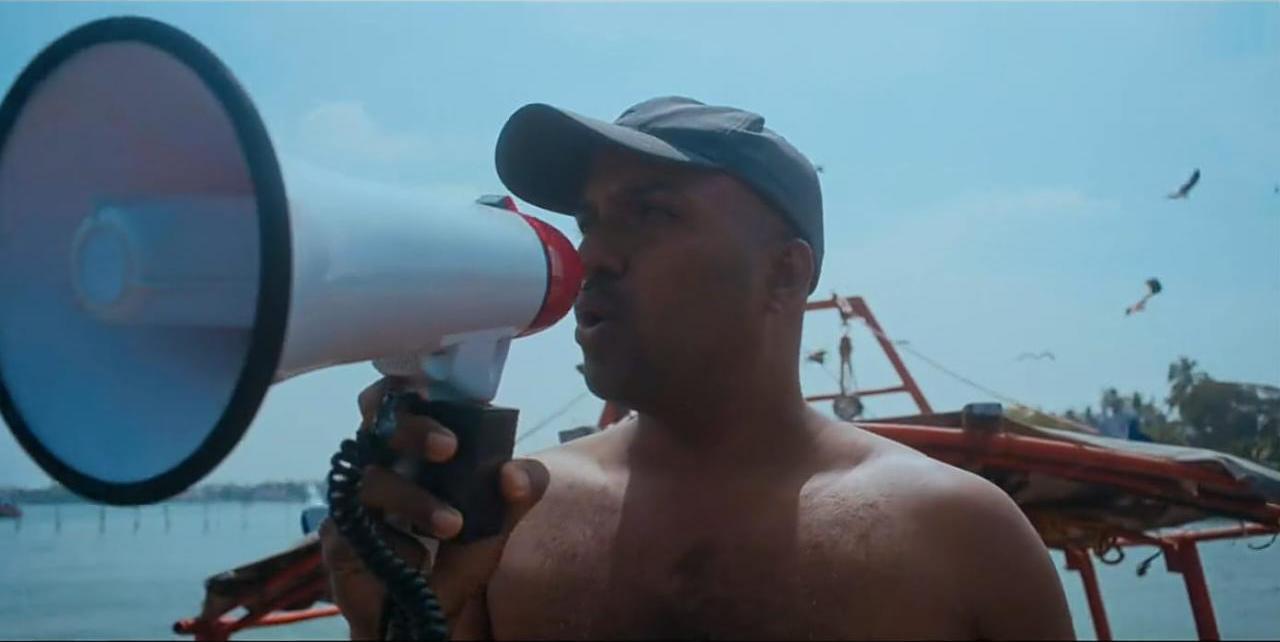
ജോയി ചെന്ന് ചേരുന്നടത്തെല്ലാം വെച്ചടി വെച്ചടി അഭിവൃദ്ധിയാണ്. ലിസ്സിയുടെ വീട്ടിലും, പിന്നെ വാവയുടെ കൂടെയും, ജോയ് വിളിച്ചാൽ വിളിപ്പുറത്താണ് ചെമ്മീനും, വേറെ എല്ലാ മീനുകളും. വാവ ചെറിയ തോതിലൊരു ചെമ്പൻ കുഞ്ഞു സ്റ്റൈലിൽ ഉള്ള മുതലാളി ആകുന്നുണ്ട് ജോയിയുടെ കൂടെ കൂടി മീൻ പിടിക്കാൻ തുടങ്ങുമ്പോൾ. പണക്കാരനായി തുടങ്ങുമ്പോൾ വാവ കുറച്ചും കൂടെ ഉച്ചത്തിൽ മീനുകളെ വിളിക്കാനായി ജോയിക്ക് ഒരു ഉച്ചഭാഷിണി കൊടുക്കുന്നു. എന്തും ഏതും അതിന്റെ logical end വരെ കൊണ്ട് പോയാൽ ഒന്നെങ്കിൽ ട്രാജഡി അല്ലെങ്കിൽ കോമഡി. ഈ സിനിമയിൽ ഈ സത്യം വളരെ മനോഹരമായി ഉപയോഗിച്ചിട്ടുണ്ട്.
ജോയ്. സിനിമയിലെ ദൃശ്യം
കടലിലെ ജലജീവികളും ജോയിയും തമ്മിൽ ഒരു totemic relationship പോലുമുണ്ടെന്നു വേണമെങ്കിൽ പറയാം. Totem എന്ന സങ്കല്പം ലോകത്തിന്റെ പല ഭാഗത്തുമുള്ള ഗോത്ര സമൂഹങ്ങളുടെ വിശ്വാസത്തിന്റെ ഭാഗമാണ്. അതായത് മനുഷ്യനും മനുഷ്യേതര വർഗ്ഗങ്ങളും തമ്മിൽ ഒരു ഇന്റർ-സ്പീഷീസ് ബന്ധം, ഒരു വിട്ടുപോകാത്ത അനുസരതത്വം ഉണ്ട് എന്ന വിശ്വാസം. Bear, salmon, whale, wolf, eagle തുടങ്ങിയവ പലപ്പോഴും totemic ആയ ബന്ധത്തിൽ പല മനുഷ്യഗോത്രങ്ങളുടെ കഥകളിലും ചരിത്ര സംഭവങ്ങളിലും നിലനിൽക്കുന്നു. ഈ മൃഗങ്ങളെയും പക്ഷികളെയും മീനുകളെയും ഗോത്രസമൂഹം അറിഞ്ഞുകൊണ്ടു ഉപദ്രവിക്കുകയില്ല. ഉദാഹരണത്തിന് ലിസിയുടെ അപ്പനും അമ്മയും ജോയിയെ നിർബന്ധിച്ചു മീൻകറി കഴിപ്പിക്കാൻ ശ്രമിക്കുമ്പോൾ ജോയ് മീൻ ചാറ് മാത്രമെടുത്ത് മീൻ കഷ്ണം കഴിക്കാതെ മാറ്റി വെയ്ക്കുന്ന സീനിൽ totemic beliefs ഉള്ള ഗോത്രങ്ങൾ അവരുടെ totem ആയ ജീവിയെ ആഹാരമായി കഴിക്കുകയില്ല എന്ന ആചാരവുമായി സാമ്യമുണ്ട്.
ഇങ്ങനെ backstory ഇല്ലാത്ത ജോയിയുടെ കഥ മെനെഞ്ഞെടുക്കുന്നത് ബാക്കി കഥാപാത്രങ്ങളാണ്. ഡോക്യുമെന്ററികൾ പൊതുവെ ഇഷ്ടപ്പെടുന്ന ആവിഷ്കാരരൂപമാണ് അഭിമുഖങ്ങൾ, അഥവാ, ഇന്റർവ്യൂ. Mysticellus Joy എന്ന തവളയെ പറ്റി സംസാരിക്കുന്നതു പോലെ തന്നെ ഇവർ ജോയിയെ കുറിച്ചവർക്കറിയാവുന്ന കാര്യങ്ങൾ പറഞ്ഞു കേൾപ്പിക്കുന്നു.
ഒരു നല്ല തിരക്കഥയിൽ സംഭാഷണങ്ങൾക്ക് എപ്പോഴും ഒരു മെറ്റാ-ലെവൽ ഉണ്ടായിരിക്കുമല്ലോ. കഥയിലെ സംഭാഷണം information sharing മാത്രമല്ല, character revelation കൂടിയായിരിക്കും. ആവാസവ്യൂഹത്തിലെ ഏറ്റവും ആകർഷകമായ ഘടകങ്ങളിൽ ഒന്ന് ഇതിലെ സംഭാഷണമാണ്. ഏത് കഥാപാത്രം വായ തുറന്നാലും നമ്മളും വായും പൊളിച്ചിരുന്നു അവർ പറയുന്നത് കേൾക്കും. വീണ്ടും വീണ്ടും കേൾക്കണമെന്ന് തോന്നുകയും ചെയ്യും. ഉദാഹരണത്തിന് സജീവനും മുരളിയും ലിസിയുടെ വീട്ടിൽ പെണ്ണ് കാണാൻ പോകുന്ന വഴി കാറിലിരുന്ന് സംസാരിക്കുന്നത് നർമ്മോക്തിയുടെ വളരെ വിദഗ്ദ്ധമായ പ്രയോഗമാണ്: “ഈ left hand drive ആയതു കൊണ്ടേ, ഈ ഇൻഡിക്കേറ്ററും വൈപ്പറും തമ്മിൽ മാറി പോകും.” എവിടെ ഏതു സമയത്തു ആര് പറഞ്ഞു കേട്ടാലും അറിയാതെ ചിരിച്ചു പോകുന്ന വാക്കുകൾ!
ആദ്യാവസാനം ഈ സിനിമയിൽ വികസനത്തിന്റെ ഭാഗമായ ടെക്നോളോജിക്കൽ mumbo jumbo വെറും വിഡ്ഢിത്തമായി നല്ല രസമായിട്ടു കാണിച്ചിട്ടുണ്ട്. നീരജ് നോർത്ത്ലാൻഡർ എന്ന internet domain pyramid schemeന്റെ വക്താവിന്റെ ക്യാമറയോടുള്ള “e-waste”നെ കുറിച്ചുള്ള മോണോലോഗ് ഹാസ്യത്തിന്റെ പുറംമോടിയിൽ കൂടി എങ്ങനെയാണ് വികസനത്തിന്റെയും ടെക്നോളോജിയുടെയും പേരും പറഞ്ഞു നമ്മുടെ നാട്ടിൽ ആളുകളെ പറ്റിച്ചു കശ്മലന്മാർ കാശുണ്ടാക്കുന്നതു എന്ന് വളരെ രസകരമായ രീതിയിൽ കാണിച്ചു തരുന്നു.
അതുപോലെ കോൺസ്റ്റബിൾ കുരിയൻ ബാബു, സബ് ഇൻസ്പെക്ടർ ആന്റണി ഫിലിപ്പ് എന്നീ താരതമ്യേന ചെറിയ റോളുകൾ ഉള്ളവർ പോലും സ്വതന്ത്രമായ അവരുടേതായ ശൈലിയിൽ തെളിഞ്ഞു നിൽക്കുന്നു. ഹാസ്യം പലപ്പോഴും വാക്കും പ്രവർത്തിയും തമ്മിലുള്ള അകലത്തിൽ അല്ലെങ്കിൽ അവയുടെ വൈരുദ്ധ്യത്തിന്റെ നടുവിൽ തീവ്രമാകും. IOC പ്ളാന്റിനടുത്തുള്ള പുറമ്പോക്കിൽ കേറിയെന്ന പേരിൽ ജോയിയേയും കൊച്ചുരാമൻ എന്ന ആക്ടിവിസ്റ്റിനെയും അറസ്റ്റ് ചെയ്ത് ജയിലിൽ ഇട്ട് പിന്നീട് ജോയിയെ ഇടിച്ചു ചതച്ചിട്ട് സബ് ഇൻസ്പെക്ടർ ആന്റണി ഫിലിപ്പ് -“മാതൃക പോലീസ് സ്റ്റേഷൻ ആണേ നമ്മുടെ, ജനമൈത്രി” -എന്ന് പറയുമ്പോൾ irony -യുടെ ഹാസ്യത്തോടൊപ്പം ഡോക്യുമെന്ററി ഒരു full blown satire ആയി മാറുന്നു.
അങ്ങനെ പല തരത്തിലുള്ള ചിരികൾ ‘ആവാസവ്യൂഹം’ നമ്മളിൽ നിന്നും ഈടാക്കുന്നുണ്ട്. സജീവന്റെയും മുരളിയുടെയും പ്ലാങ്കിന്റെയും അവരുടെ ആറ്റിങ്ങലിൽ നിന്നും ഇറക്കു മതി ചെയ്യുന്ന ഇടി പാർട്ടികളുടെയും പോലീസിന്റെയും അക്രമാസക്തമായ പെരുമാറ്റം ചെറുതായിട്ട് ഒരു comic tone -ഓടെയാണ് ആയിട്ടാണ് ചിത്രീകരിച്ചിരിക്കുന്നത്. Noir സിനിമകളിൽ violence-നോടൊപ്പം കോമഡി കൂടി ചേർക്കുന്നത് പോലെ. ഒരു പ്രത്യേക മൂഡ് ആണ് ഇത്തരം സീനുകൾ നമ്മളിൽ ഉണ്ടാക്കുന്നത്. ചിരി വരുന്നു, പക്ഷെ ചിരിക്കുന്നത് ശരിയാണോ എന്ന് നമ്മൾ സംശയിക്കുന്നു. പൊതുവെ ഒന്നും ഒരിക്കലും ഗുണം പിടിക്കുകയില്ല എന്ന നിരാശ. കാരണം അക്രമങ്ങൾ പ്രേക്ഷകരിൽ അസ്വസ്ഥമായ ചിരി ഉണർത്തുമ്പോൾ അവ കൂടുതൽ പൈശാചികമാവുന്നു. അത്തരമൊരു തലം ആവാസവ്യൂഹത്തിലെ ഹാസ്യത്തിനുണ്ട്.
ഈ പൈശാചികമായ ഹാസ്യതലം അതിന്റെ മൂർദ്ധന്യത്തിലെത്തുന്നത് ജോയിയുടെ മരണത്തിലാണ്. മധുസ്മിത എന്ന കുടുംബശ്രീ പ്രവർത്തകയുടെ വീട്ടിൽ അടിഞ്ഞു കൂടുന്ന ജോയിയെ മനുഷ്യനെ അല്ലാത്ത വേറെ ഏതോ ഒരു വർഗ്ഗമാക്കി മാറ്റി, മൃഗമോ, മത്സ്യമോ, തവളയോ പാമ്പോ ആക്കി മാറ്റി, ഒരു കാഴ്ചവസ്തുവാക്കി അയാളെയും വിറ്റു കാശാക്കുന്ന രംഗങ്ങളിലെ ആക്ഷേപഹാസ്യം ഒരു മഹാദുരന്തത്തിന്റെ ഭയപ്പാടും നടുക്കവും നമ്മളിൽ നിന്നും അകറ്റി നിർത്തുന്നു. ഈ സീനുകളിലെ എഡിറ്റിംഗ് കരുതിക്കൂട്ടി അതീവ വികടമായിട്ടുള്ള തമാശകൾ കോർത്തിണക്കുന്നുണ്ട്. പോലീസുകാരുടെ കലപില, കാണാൻ വരുന്നവരുടെ വിചിത്രമായ പ്രതികരണങ്ങൾ, ടെലിവിഷൻ ചാനലിലെ ബുദ്ധിജീവികളുടെയും സയന്റിസ്റ്റുകളുടെയും മതപുരോഹിതന്മാരുടെയും മറ്റ് ‘experts’ന്റെയും ചർച്ചകൾ, കേരള യൂണിവേഴ്സിറ്റിയിലെ സൈക്കോളജി പ്രൊഫസറായ ജോർജ് മാത്യു എന്ന വന്ദ്യവയോധികൻ ഒരുപാട് ഭീമാകാരമായ മണിപ്ലാന്റുകളുടെ നടുക്കിരുന്നു കൊണ്ട് mermaids -ന്റെ കഥ പറയുന്നത് എന്നിങ്ങനെ കേരളം ഒരു ഭ്രാന്താലയം ആണെന്ന് നമുക്ക് പൂർണ്ണമായും വിശ്വസിക്കാൻ പറ്റുന്ന പോലെയുള്ള എഡിറ്റിംഗ് ആണീ സീനുകളിൽ. ഹാസ്യത്തിന്റെ പ്രധാന കർമ്മം തന്നെ വേദനാജനകമായ കാര്യങ്ങളെ നർമ്മം കുത്തിവെച്ചു സഹിക്കാൻ പറ്റുന്നതാക്കി മാറ്റുക എന്നുള്ളതാണല്ലോ. ജോയിയുടെ മരണം, അയാളുടെ കൊലപാതകം അങ്ങനെയാണ് ചിത്രീകരിച്ചിരിക്കുന്നത്.
പുതുവൈപ്പിലെ മനുഷ്യരെ സഹായിച്ച ജോയിയുടെ കഥ ഇതിനു മുൻപ് നമ്മൾ കേട്ട് കാണും. നനഞ്ഞയിടം കുഴിക്കുന്ന ഒരുപാട് കഥകൾ ലോകത്തിലെമ്പാടും ഉണ്ട്. പക്ഷെ മനുഷ്യന്റെ അത്യാഗ്രഹം, പ്രകൃതിയും പരിസ്ഥിതിയും സ്വന്തം കുടുംബസ്വത്താണെന്നു കരുതുന്ന മനോഭാവം ഇതുവരെയും മാറിയിട്ടില്ല എന്നുള്ള സത്യം ആവാസവ്യൂഹം പോലെയുള്ള സിനിമകൾ, പിന്നെ വിഴിഞ്ഞം പോർട്ട് പോലെയുള്ള വികസന പദ്ധതികൾ നമ്മെ വീണ്ടും ഓർമ്മിപ്പിക്കുന്നു. ആവാസവ്യൂഹം കടപ്പാടായി പറഞ്ഞിരിക്കുന്ന കഥകളിൽ – മാർകേസിന്റെ A Very Old Man with Enormous Wings, പിന്നെ കാഫ്കയുടെ Metamorphosis എന്ന നോവെല്ല – ഇവ രണ്ടും മനുഷ്യൻ മനുഷ്യനെ എന്ന് തന്നെയല്ല മാലാഖമാരെ വരെ വിറ്റു തിന്നുന്നവരാണെന്നു ഗുണപാഠമുള്ള കഥകളാണ്. ജോയിയുടെ ആജാനുബാഹുത്വവും അവസാനത്തെ രൂപാന്തരവും – അവന്റെ അസ്ഥികൂടത്തിൽ നിന്നും വിടരുന്ന പൂക്കളും പച്ചപ്പും- മാർകേസിന്റെ തന്നെ വേറെ ഒരു മനോഹരമായ കഥയും നമ്മളെ ഓർമ്മിപ്പിക്കും: The Handsomest Drowned Man in the World.
സിനിമയിൽ നിന്ന്
പക്ഷെ എനിക്കവയൊന്നും അല്ല ജോയിയുടെ അസ്ഥികൂടത്തിലെ മനോഹരമായ പൂക്കളും ഇലകളും കണ്ടപ്പോൾ തോന്നിയത്. എന്റെ ഓർമ്മയിൽ പൊന്തി വന്നത് എറിയലിന്റെ പാട്ടാണ്, ഷേക്സ്പിയറിന്റെ Tempest എന്ന നാടകത്തിൽ നിന്ന്. നടുക്കടലിൽ കൊടുങ്കാറ്റത്തു കപ്പല്ഛേതത്തിൽ തന്റെ അച്ഛൻ മുങ്ങി മരിച്ചു എന്ന് വിചാരിച്ചു സങ്കടപ്പെട്ടിരിക്കുന്ന ഫെർഡിനന്റിനു വേണ്ടി ഏറിയൽ എന്ന മാലാഖ പാടുന്ന പാട്ട്:
Full fathom five thy father lies;
Of his bones are coral made;
Those are pearls that were his eyes;
Nothing of him that doth fade,
But doth suffer a sea-change
Into something rich and strange.
Sea-nymphs hourly ring his knell:
Ding-dong.
Hark! now I hear them — Ding-dong, bell.
ഇനി മുതൽ ഷേക്സ്പിയർ ഇംഗ്ലീഷ് ഭാഷയ്ക്ക് സമ്മാനിച്ച sea-change എന്ന മനോഹരമായ പ്രയോഗം കേൾക്കുമ്പോൾ ആവാസവ്യൂഹവും Mysticellus Joy എന്ന തവള മനുഷ്യനെയുമാണ് ഞാൻ എന്റെ മനക്കണ്ണിൽ കാണാൻ പോകുന്നത്.
*Tholkkunna Yudhathile Padayalikal.* Dir. M. R. Rajan, 2019. English subtitles.
M. R. Rajan’s new documentary film *Tholkkunna Yudhathile Padayalikal* (*Warriors of Losing Battle*) is an intimate and contemplative glimpse into the life and the persistent and pioneering ecological and socio-cultural activism of the Indian poet Sugathakumari. Rajan who has previously directed masterful documentaries about the Koodiyaattam exponent Ammannur Madhava Chakyar (*Pakarnnaattam*), the Kathakali performers Kizhppaadam Kumaran Nair (*Nottam*) and Kottakkal Sivaraman (*Minukku*), and film director Kumar Shahani (*When the Bird Became a Wave*), among others, has found the perfect subject for his reflective and meditative filmmaking in Sugatha teacher, as the poet was affectionately known in her home state of Kerala. Poetry whose natural home is the human voice and the ear might appear to be a challenge to translate properly to a visual medium like cinema. However, poetry belongs to the domain of images, and, in this sense, partakes in the language of cinema. *Warriors of Losing Battle,* produced by Kendra Sahitya Akademi, is an exquisite visualization of a poet’s soulful and shattering awakening to intervene on behalf of mother earth, poetry as a happening, an act and mode of resistance, an interruption and warning to the forces of greed and environmental destruction. Sugatha teacher likens her ecological awakening to that of a religious conversion.
The title of the film – *Warriors of Losing Battle* – is not an admission of defeat. Rather, for Sugatha teacher and her fellow activists, each battle fought to protect the environment, regardless of the outcome, was a brilliant opportunity to dream of a better world, to turn human imagination into a vision with weight, mass, density and dimensions, to reverse the course of destruction and turn it towards the direction of nurture and growth. Ultimately, the warriors of losing battle are the only ones left who will speak for the mountains, the river, and the trees. Rajan’s film celebrates these warriors who will not give up the fight though they know they might never win. You want to be in their company.
The film opens with an establishing shot, almost three whole minutes long, of flowers, buzzing butterflies and the faraway hills of the Silent Valley National Forest in north Kerala, the site of the first people-led environmental movement in the state in the mid 1970s. Sugatha teacher’s poem “Ini ee manassil kavithayilla” (“No more poetry in my mind”) read by teacher herself in a voice-over holds this static shot in place for the duration of the poem’s reading. It is a close-up almost at our eye level. We are almost inside the frame, in Silent Valley, smelling the misty air, the deep pink flowers brushing our face, the butterflies flying around our eyes, while we gaze at the apparition of peaks in the distance. The perfectly balanced foreground and background of this sustained static shot transport us and lock us into place immediately. We are in the land for which Sugatha teacher donned the warrior’s armor in the 1970s. The relationship between the image and the poem is both ominous and momentous: something greater than the homely joys and sorrows of teacher’s poetry up to that point will have to go. Something far, far greater and more life-defining is about to impact the poet.
The majority of this one-hour film utilizes the static camera with intimate close-ups that require us to maintain eye-contact with the images on the screen. We cannot afford to look away as we are invited to reflect deeply on what the film shows us: the gentle, overwhelming, and precarious beauty of an endangered ecosystem carelessly plundered, and bought and sold for human profit. When the camera moves, as in the shot of the watch tower at the heart of the Silent Valley, it is with an almost human leap and lurch to climb over it and drown it inside the verdant immensity of the great forest surrounding it. This is film-making of a very high degree of certitude, finish and finesse; philosophically firm, conceptually refined, and imagistically eloquent.
When we see Sugatha teacher for the first time, she is seated, this time facing the camera and us, inches away from our face, in a mid-close-up directly speaking to us. We see teacher’s face, her rather tired eyes, and her infinitely expressive hands as she recounts for us her earliest memories. Except for a quick cut to a photograph of her parents, Sri Bodheswaran and Smt. Karthyayini Amma, this is an almost four-minute-long static shot. Teacher’s anecdotes are engrossing. Anecdote one: teacher as a little girl with her mother braiding and decorating her hair with flowers. Anecdote two: two little girls, teacher and her equally illustrious elder sister Professor Hrdayakumari, building play houses for ladybugs with the cotton falling and floating from the trees in the yard. Teacher observes melancholically that she tried to save the creatures as they were sometimes swept away in a sudden downpour, but while you save four or five, five hundred die, she notes. I became the warrior of losing battles right then and there, teacher says. A little girl with flowers in her hair trying to save ladybugs from being swept away in the rain might as well be an enduring symbol for the ecological warrior in our times.
The film is structured as above with teacher speaking to the camera, primarily about
four of the many major events and causes that connect the arc of her advocacy and activist interventions: the Silent Valley environmental movement, the establishment of Abhaya homes for those suffering from mental health issues, Adivasi issues at Attappaadi, and homes for destitute girl children. There are clean cuts without any frenetic transitions. Several notable public intellectuals both in and out of the Shastra Sahithya Parishad, teachers, writers, poets, and artists appear in teacher’s memories of the early days of the *Save Silent Valley* movement in the 1970s when the forest faced imminent destruction for the building of a hydroelectric dam: N. V. Krishna Warrier, Ayyappa Panikker, O. N. V. Kurup, Vishnu Narayanan Namboothiri, Kadammanitta Ramakrishnan, R. V. G. Menon, Vaikom Mohammad Basheer, Sukumar Azhikode, S. K. Pottekaatt, O. V. Vijayan, John C. Jacob, Sharmaji, K. V. Surendranath et al. Several of teacher’s poems recited by teacher herself serve as transitions between different anecdotes. The film is precious just for the visualization of these poems. The poems rise over incomparable images of the forest, the trees, the river, the animals, the birds, and the insects with an ekphrastic clarity.
Sugatha teacher passed away in December 2020, and we come close to an awareness of her true significance in Kerala’s environmental precarity in the sequence with Maruthi and other Adivasi women and children in an Adivasi village. Teacher speaks with her characteristic indignation, dejection and resolve about the deforestation in the Attappaadi hills and her cautious determination to reverse the balding and browning of the hills by planting thousands of trees on just one hill, “to show the government that it can be done.” However, it is in Maruthi’s quiet and homely concern for teacher and her well-being that we come to understand how deeply human love and compassion guided teacher’s instincts to fight for what is right. While the Adivasi community sees and listens to teacher in camera over a laptop provided by the film crew, and we follow their comments about teacher’s timely intervention to stop the destruction of their habitat, and their genuine love for teacher, we feel a retroactive anxiety at the spectre of that lost battle. We feel the same anxiety in the scenes of teacher with the mentally ill and at the home for destitute girl children. We do not want this to be the losing battle. None of them deserve to die or to perish in abuse, poverty and destitution. Thus, the overall framework of the title becomes a cautionary tale.
Scripted by Anitha Thampi, *Warriors of Losing Battle* is photographed by K. G. Jayan and edited by Jais Thampi. The ecological theme controls the narrative of the film, and the framework of warriors who fight a losing battle brings a masterful coherence to teacher’s life and work as interpreted by the film. Kerala has witnessed some of the worst ecological disasters in the last few years validating every single concern expressed by Sugatha teacher in the film. Above all, *Warriors of Losing Battle* emphatically shows that the same faculty of imagination that spurs the poet stirs up the quest for truth and justice.
When we were kids, the boys made fun of one of Appu’s friends, a bookish genius; he had a photographic memory and knew the entire logarithmic table from start to finish by heart. The mockery went something like this: “Hey, S., what are the Facts of Life?” the boys would ask S. The story goes that S. would then say. “Oxygen, Nitrogen, Hydrogen, Chlorine . .” Ha ha ha.
S. went to Organic Chemistry for the Facts of Life. The rest of us thought we were all very smart, but really, we weren’t. All of us kids comprehended the Facts of Life with varying degrees of gaps, misinformation, and plain absurdity. As in other parts of the world, we kids picked up our sexual lore mostly from films and books, and to a lesser extent through prurient observation of backyard animals and their mating behavior.
Indian films and television have changed radically now, but when we were growing up, in the seventies, eighties and even into the early nineties, there was no kissing, no bodily nudity, or images of sexual consummation on screen. There was plenty of salacious and titillating content, but the censors drew the line at any type of sexual bodily contact, including kissing.
Thus after the hero and the heroine slide and slither around each other in barely concealed estrus, and the titillation potential borders the pornographic, suddenly we will see on screen two flowers coming closer and closer and closer to each other, falling into each other, smashing into each other: flowers “kissing” for lack of a better word. The more creative directors represented human sexual union on screen coyly with birds touching their beaks together, bees drinking nectar from a flower, deer nuzzling their noses against each other, and in the really daring instances, huge waves breaking roaringly on the shore, firecrackers bursting up in the sky, and milk boiling over. There was one particular film, where the hero breaks open an egg on the heroine’s exposed belly between the blouse and the sari; the egg sizzles and curls and turns into a Spanish omelet. She was that hot.
Thus, the Indian cinema filled our heads with a semiotic system for human sexuality, which included birds, bees, flowers, seashore, the sky, firecrackers, kitchen utensils, milk and eggs. It is a fact of life that human beings have a seemingly uncontrollable need to see sex represented. They want to see it, they want to write about it, they want to film it, they want to sing it, they want to hear it. It is sort of like how Tom Cruise always wants to have sex with his real wife on screen as well. Representation adds to the Reality. While couples in coitus have graced the walls of Indian temples for thousands of years, that was not sufficient for the movie-going Indian public who wanted to see “real” (real on screen?) sex on screen leading to all kinds of creative and not-so-creative short cuts to sex scenes of the afore-mentioned kind by directors and actors.
I remember one particular event of mass frustration by the movie-going Indian public over their lack of access to some flesh scenes. It was the 1987 International Film Festival in Trivandrum. John Huston had just made a film adaptation of Joyce’s short story *The Dead.* Great short story, but the movie adaptation does not work at all. That insight is in retrospect, but in 1987 we all wanted to see it. So, a bunch of us from the Institute of English—three girls and nine boys – we went to the theater that was screening the movie. International Film Festivals are big crowd-pullers in India, particularly Kerala, which has a very evolved film culture. Two types of film-lovers attend these foreign film festivals; one, those who really want to see the retrospectives of a Kurasawa, Bergman, Tarkovsky et al because they know the cinema of these directors; and two, those who want to see foreign films, because foreign films contain uncensored nudity. The foreign film festivals also brought movies with such titles as *The Big Blonde.*
So anyway, *The Dead* was playing in a duplex theater in Trivandrum; one screen showed *The Dead,* and the other theater screened a Swedish film called, let us say, *The Big Blonde.* It was a matinee. I and my friends, boys and girls from the Institute of English stood in a long meandering line to buy tickets for *The Dead.* Wow, such a big crowd to see *The Dead,* we remarked to ourselves. The crowd was all men; street-vendors, head-load workers, auto-rickshaw drivers, men with a beedi in one hand, in disheveled clothes, with blood-shot eyes, and mesh t-shirts with the arms cut off. Imagine, they want to see Joyce’s *The Dead*; we smiled in utter incomprehension.
The men eyed our group, a group with more boys than girls. The boys were all our good friends. Several creepy men eyed us girls lewdly and started making obscene comments. Our male friends turned red in the face and looked at us apologetically. “Do you want to go back?” Our friends asked us in a low voice. “No, that is okay,” I and my girlfriends replied, “We would really like to see *The Dead.* This filth does not bother us,” we said. The creepy men kept ogling us.
We bought our tickets and walked into the theater. Inside the dark theater, there was yelling and shouting; several men in the audience loudly anticipated the fleshly delights they were about to witness. We sat down and the film started.
Two very old women came on the screen; Gabriel’s aunts. Old, wrinkled, and with a twinkle in their eyes, they started talking about the Christmas party. They talked and they talked. A low rumbling started inside the theater. So far, no flesh. Then the guests started arriving at the party. Lily, the caretaker’s daughter was literally run off her feet. More talking. Lots of old people talking, talking, talking. The rumbling inside the theater intensified. The men were getting really antsy; they needed to see some flesh and they needed to see it right now or they were going to get their ticket fare back!!
Finally, Gabriel and Greta arrived on scene; a reasonably young couple. There was a temporary cessation to the hum inside the theater. Maybe this man and woman will have sex? But Gabriel walked off into the library and started to rehearse his speech. Greta mingled. Alcoholics waxed poetically; old aunts propped up the alcoholics. Every time a man and a woman came towards each other on screen, we heard a loud roar of anticipation from the men in the theater. This is it; now we will see some flesh.
Alas, there is no breeding in *The Dead.* How disappointing. We tasted the sweetness of revenge on our tongues. Twenty minutes into the movie, the men in the audience began to hoot and holler and shout. Several of them got up and left, loudly swearing how the theater ripped them off. Needless to say, we watched two movies that day.
But the politics of sexual representation came much later. In our adolescent years, our understanding of human sexuality was an absurd schtick. For instance, I believed, and I later found out, many of my friends and cousins did as well, if a woman in a wet, white sari hugged a man, she became pregnant. This was directly from the films. In one scene, Prem Nazir is chasing Sarada around a coconut tree. It rains and they hug. In the next scene, Sarada is clutching her stomach and throwing up. Pregnancy.
My cousin Kunji had another explanation for pregnancy. She was an exemplary student and got her information from the biology textbook. The male gamete is called sperm, Kunji began. It has a head, which is 5 microns and a tale that is 50 microns long. It propels itself by moving its tail in a motion called flagellation in a liquid medium towards the ovum, which is the female gamete.
Yeah, really? We would say. We were taunting her then; we were slightly older. What liquid medium?
The textbook does not say what liquid medium it is, Kunji admitted.
How far is it traveling then? How does it make a woman pregnant? We asked.
Kunji drew a blank.
We stared at my aunt, Kunji’s mother, one of the most respected OB/ GYNs in Ernakulam sitting there listening to us discuss the mechanics of human reproduction. What is this, ammayi, we would ask her. Your daughter says that the 5-micron sperm is swimming in a liquid medium flagellating its tail towards an ovum! Very bad parental instruction!
This was true; in our childhood, our parents did not spend a lot of time educating us about human sexuality. Our mothers told us girls that there was no reason for any boy or any man, other than our fathers or brothers, to touch us; so, there was no touching between boys and girls. We were unsure of the actual steps, but we naturally believed that touching mystically led to pregnancy. When he was in his teenage years, my mother told Appu that he should never feel tempted to give in to the prostitutes and pimps that hang around the train stations, bus stations and airports looking for young men. That was the extent of our parents discussing human sexuality with us.
For the longest time, I believed that for chicken’s eggs to hatch into baby chicks, a rooster has to approach and gingerly “step” on the said eggs. I don’t know where I got that idea, but in my mind I saw a rooster approaching an egg and stepping on it, balancing itself precariously on top of the egg. Then the egg was fertilized and baby chicks were born. It was a standing joke in my family and my cousins torture me to this day recounting this story whenever the occasion presents itself. I was reminded of my chick story, and relieved at the same time, when Dayani once brought home some chicks to foster while in fourth grade.
I will never forgive Sierra for saying this, Dayani told me when I picked her up at school. What, honey? I asked her.
Sierra told everyone in class today that my chicks are “dating” her chicks, Dayani said.
That is okay, honey, I told Daya, chicks can date chicks.
You know what mama, Dayani said, we know now for sure that Fudge is a boy and Sunshine is a girl. Fudge and Sunshine are the two chicks that Dayani was fostering.
Oh, yeah? I said. How did you figure that out, honey?
Mr. Miller in class today, Dayani said, showed us Fudge’s reproductive parts.
Really? I said.
Yes, see I had to do the dirty work because Fudge is my chicken and I am going to be a veterinarian, Dayani said. Mr. Miller showed me how to hold Fudge’s feathers up, and right near the “vent” – you know it is called “the vent” and not the bad nick name, mama – there is a small pimple. That is what makes Fudge a boy.
Oh, wow, honey, I said. I had no idea, I said.
It is true; I did not know what the reproductive organs of a rooster were like. Apparently, it is a pimple, near a vent.
Well, that explains why Fudge was constantly trying to jump out of the box, I said.
We couldn’t really understand it. We had kept both Fudge and Sunshine in a box in my office (where else?) and every time we opened the box to clean the paper or put food and water, Fudge would try to jump up over my hands and out of the box. He preferred to perch on the box lid or on top of the lamp we were using to keep them warm.
Sunshine just sat in one corner. Rooster behavior, I said; you know, “roosting” means to sit on top of something. Being caged in that box must be stifling for poor Fudge. Dayani had to take the chicks back to school, but if we ever get them back for fostering, I am getting Fudge a nice big box with plenty of flying room and a perch.
I am awake enough now to write for the first time in the last one week. I had my achilles tendon reconstruction surgery done on my left ankle on Monday, December 16th. Posted final grades, took out the recycling and went to the surgery. I briefly remember waking up sometime in the hospital after the surgery, then the car ride home, then sobbing continuously as Krish propped me up on my non-weight bearing operated foot with crutches as he helped me up the long, wintry walkway and steps to our front door– it was a long walk; I didn’t think I would make it — slumping into bed, then searing pain, seething pain, screaming pain as the general anesthesia and nerve block from the surgery wore off, then periods of wakefulness and sleep, wakefulness and sleep, and wakefulness and sleep. Many many Percocets later, I am awake now with my pain manageable enough, so that I don’t have to dose myself into narcotic and narcoleptic oblivion for another four hours. I didn’t take even one opioid this morning.
I had the following procedures done: they opened up my left ankle, cut out the extra bone growing out of my calcaneus and into my achilles tendon (Haglund’s deformity and resection), cut and repaired the achilles tendon where the extra bone had broken it, and rebuilt my achilles tendon by doing a tendon transfer from my big toe and giving new insertional points. I had the same surgery and the same recovery in 2017 for my right foot. I am in a splint for 3 weeks, in a cast for 12 weeks, in a boot for four weeks. I am in the splint stage now. I am non weight-bearing with full and partial immobilization of my left foot for the next foreseeable future. With physical therapy I will be able to walk and drive by the end of May 2020. I am on medical leave from the university for the spring 2020 semester. As my friend Sharon astutely observed: another saga of the Achilles without the glory of the Iliad! Indeed.
It is a strange Christmas. Dayani is home which is wonderful. I put up the tree for her before I was immobilized. But I am not able to bake the cookies for her and with her, which is something I have always loved doing over christmas: peanut butter cookies with chocolate and peanut butter candy, peanut butter cookies with hershey’s kisses, sugar cookies, oatmeal raisin cookies. Next year.
2019 was a good work year, except for the daily pain reminder. Four good classes; thank you, students. Some of the student evaluations were very sweet. Two presses gave me a contract for my manuscript on indigenous films: I accepted Rowman and Littlefield/Lexington Books. My SdB review essay is coming out shortly in SdB Studies; my review essay on Vera Hildebrand’s Rani of Jhansi regiment is also coming out soon. I will miss campus, my friends, colleagues and students in the spring semester. I have never not taught, so this feels strange to be marooned on this invalid bed like this for 20 weeks.
But here is my winter solstice blessings for you. May the great mother goddess Sun protect you through the dark pathways of your life.
“With faithful progress,
The Great Sun has traveled,
From north to south again,
And on this day pauses.
So we also stand still,
With the whole Earth,
In quiet thankfulness,
To the Source of Blessing,
The Giver of All Light.” [https://www.uua.org/worship/words/ceremony/292649.shtml]






 The Red Earth