Tag: immigrants
My article on ആവാസവ്യൂഹം: The Arbit Documentation of an Amphibian Hunt
https://www.keraleeyammasika.com/avasa-vyooham-movie-review-study-vizhinjam-port-protest/
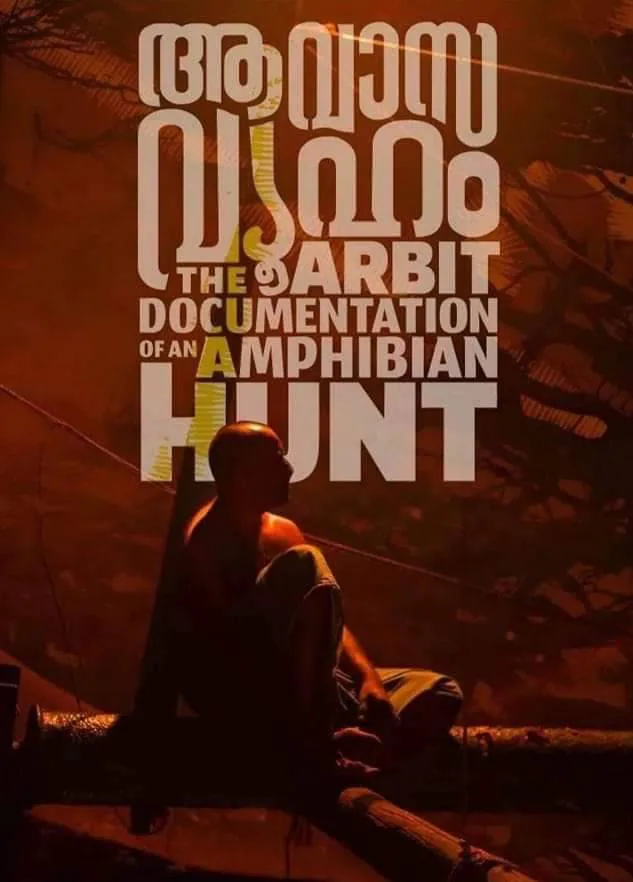
പരിസ്ഥിതിനിയമങ്ങൾക്കും ആവാസവ്യവസ്ഥകൾക്കും കടകവിരുദ്ധമായി പ്രവർത്തിക്കുന്ന വികസനപദ്ധതികളിലൂടെ നശിച്ചുകൊണ്ടിരിക്കുന്ന കേരളത്തിന്റെ തീരപ്രദേശങ്ങളെ പറ്റിയുള്ള, അല്ലെങ്കിൽ കടലിന്റെയും കരയുടെയും ബന്ധത്തെ പറ്റിയുള്ള, മറക്കാൻ പറ്റാത്ത സിനിമയാണ് യുവ സംവിധായകനായ കൃഷാന്തും കൂട്ടരും കഥയെഴുതി സംവിധാനം ചെയ്ത ആവാസവ്യൂഹം: The Arbit Documentation of an Amphibian Hunt. 2022 -ലെ മികച്ച സിനിമയ്ക്കുള്ള സ്റ്റേറ്റ് അവാർഡ് ലഭിച്ച സിനിമയാണ് ആവാസവ്യൂഹം. ഒരു Mock Documentary യുടെ ബാഹ്യരൂപലക്ഷണങ്ങൾ അനുകരിച്ചെടുത്തിരിക്കുന്ന ഈ സിനിമ മുതിർന്നവർക്കുള്ള ഒരു fairy tale ആയോ, അല്ലെങ്കിൽ എന്തോ നിഷേധിക്കാനാവാത്ത ആത്യന്തികമായ പരമാർത്ഥത്തിന്റെ ദൃഷ്ടാന്തമായോ കാണാവുന്നതാണ്. “What is normal for the spider is chaos for the fly” എന്ന് Morticia Addams പ്രസ്താവിച്ച ഖണ്ഡിക്കാനൊക്കാത്ത പരമാർത്ഥമാണ് ആവാസവ്യൂഹത്തിന്റെ epigraph, അല്ലെങ്കിൽ, സിനിമയുടെ സ്മാരകവാക്യം.
Mock Documentary ക്ക് ഡോക്യുമെന്ററിയോട് എന്താണ് ബന്ധം? ഡോക്യുമെന്ററി എന്നാൽ എവിടെയോ എന്തോ സത്യമുണ്ട് എന്നാണല്ലോ. ഡോക്യുമെന്ററി സിനിമകൾക്ക് വസ്തുതകളോടാണ് അടുപ്പം. കാല്പനികമായ സങ്കല്പങ്ങൾ കുറവും വസ്തുതകൾ കൂടുതലും. മോക്ക് ഡോക്യുമെന്ററികൾ ഡോക്യുമെന്ററികളുടെ പുറം ചട്ടകൾ, അവയുടെ codes, conventions എന്നിവയെ ഹാസ്യാത്മകമായി അനുകരിച്ചു വസ്തുനിഷ്ഠമല്ലാത്ത അല്ലെങ്കിൽ വസ്തുനിഷ്ഠമാകണമെന്നില്ലാത്ത ഒരു കഥ പറയുന്നു. ഉദാഹരണത്തിന്, റ്റായ്ക വൈറ്റിറ്റിയുടെ What We Do in the Shadows ‘വാംപയറുകളെ’ പറ്റിയുള്ള ‘ഡോക്യുമെന്ററി’ ആണ്.
മോക്ക് ഡോക്യുമെന്ററികൾ പലപ്പോഴും parody -കൾ മാത്രമാണ്. ക്രിസ്റ്റഫർ ഗെസ്റ്റ് സംവിധാനം ചെയ്ത This is Spinal Tap, Best in Show, റ്റായ്ക വൈറ്റിറ്റിയുടെ What We do in the Shadows തുടങ്ങിയ ക്ലാസിക് മോക്ക് ഡോക്യൂമെന്ററികൾ, documentary form വളരെ വിശ്വാസകരമായ രീതിയിൽ പാരഡി ചെയ്തു നമ്മളെ ചിരിപ്പിക്കുന്നു. പൊതുവെ കോമഡി എന്തിനെ തൊട്ടാലും അവയെ കുറച്ചു താഴ്ത്തിയാണല്ലോ കാണിക്കുന്നത്. മോക്ക് ഡോക്യൂമെന്ററികളും സാധാരണ അങ്ങനെ തന്നെയാണ് ഫലിതം ഉപയോഗിക്കുന്നത്. ഈ സിനിമകളിൽ എന്തിനെയാണോ കളിയാക്കിയിരിക്കുന്നത് ആ വിഷയങ്ങളെ പറ്റി നമ്മൾ കൂടുതൽ മനസ്സിലാക്കുന്നു, ഇത്തരം പാരടിയിൽ കൂടി. ഡോക്യൂമെന്ററികൾ നമ്മളെ പലവിധ മാനസിക തലങ്ങളിലേക്ക് കൊണ്ട് പോകും. അറിവ്, സന്തോഷം, സങ്കടം, ക്ഷോഭം, സ്തംഭനം എന്നിങ്ങനെ പലതും. പക്ഷെ അറിവിന്റെയൊപ്പം മിക്കവാറും പുച്ഛം കലരാത്ത നിഷ്കളങ്കമായ കളിയാക്കി ചിരിയാണ് മോക്ക് ഡോക്യൂമെന്ററികൾ നമുക്ക് തരുന്നത്.
‘ആവാസവ്യൂഹം’ നമ്മളിൽ തിരിച്ചറിവിന്റേതായ ചിരി ഉണർത്തുന്ന സിനിമയാണെങ്കിലും വ്യത്യസ്തമായ ഒരു മോക്ക് ഡോക്യൂമെന്ററി കൂടിയാണ്. ഈ സിനിമയിൽ ശരിയായ ഡോക്യൂമെന്ററികൾ പോലെ തന്നെ വസ്തുതകൾ കൂടുതലാണ്. മുഴുവൻ സിനിമയും വസ്തുനിഷ്ഠമാണെന്നു തന്നെ പറയാം. ഡോക്യൂമെന്ററികളുടെ ഫോം പാരഡി ചെയ്യുക മാത്രമല്ല, കേരള സമൂഹത്തിന്റെ തന്നെ ഒരു സോഷ്യൽ സറ്റയർ ഈ സിനിമയിലുണ്ട്. എന്നാൽ ഈ ആക്ഷേപഹാസ്യത്തെ വളരെ തന്മയത്വത്തോട് കൂടി അതിമാനുഷമോ അമാനുഷമോ ആയ ഒരു കഥയുമായി വളരെ മനോഹരമായി കൃഷാന്തും കൂട്ടരും ബന്ധിപ്പിച്ചിരിക്കുന്നു. Satire -ഉം മിത്തും ഒരേ സ്ഥലത്തു ചേർന്ന് കിടക്കുന്ന സിനിമയാണ് ആവാസവ്യൂഹം.
ആവാസവ്യവസ്ഥിതികൾക്കു അനുയോജ്യമല്ലാത്ത കേരളത്തിലെ വികസനമാണ് ഈ സിനിമയിലെ ഒരു hard satirical target. വികസനം പരിഹാസയോഗ്യമായ വിഷയമാണോ? വികസിക്കുന്നത് നല്ലതിനല്ലേ? കേരളത്തിലെ വികസനത്തിനെ കളിയാക്കേണ്ട കാര്യമുണ്ടോ? ഈ സിനിമയിൽ ഈ ചോദ്യത്തിന് പ്രത്യക്ഷത്തിലൊരു ഉത്തരമുണ്ട്. കാര്യമായ ഗൗരവമുള്ള ഉത്തരം. പക്ഷെ അത് പ്രധാന കഥയ്ക്ക് വെളിയിൽ അവസാനം ക്രെഡിറ്റ്സ് കാണിക്കുമ്പോഴാണ് ഉൾപ്പെടുത്തിയിരിക്കുന്നത്. പുതുവൈപ്പിലെ ഇന്ത്യൻ ഓയിൽ കോർപ്പറേഷന്റെ പുതിയ പ്ലാന്റ്, അതിനെ ചുറ്റിയുള്ള പ്രതിഷേധ പ്രകടനങ്ങൾ, അവിടുത്തെ സെക്ഷൻ 144 പ്രഖ്യാപനം, സുഗതകുമാരി ടീച്ചറിന്റെയും വേറെ ആക്ടിവിസ്റ്റുകളുടെയും ചെറിയ cameo clips എന്നിവ സിനിമയിലെ വികസനത്തിന് നേരെയുള്ള പ്രത്യുത്തരം നമുക്ക് മനസ്സിലാക്കി തരുന്നുണ്ട്.

പല കാരണങ്ങൾ കൊണ്ടും 2022 ൽ തീർച്ചയായും കേരളത്തിലെ വികസന പരിപാടികൾ പരിഹാസയോഗ്യമെന്ന് നിസ്സംശയം പറയാം. ഉദാഹരണത്തിന്, ഇപ്പോൾ കേരളത്തിനെ ആകെ ഉലയ്ക്കുന്ന വിഴിഞ്ഞം പോർട്ട് പണി തന്നെ നോക്കുക. ‘ആവാസവ്യൂഹം’ വിഴിഞ്ഞം പോർട്ട് പണിയേ പറ്റിയുള്ള സിനിമയല്ല. പക്ഷെ വികസനം സിനിമ പോലെയുള്ള കലാരൂപങ്ങൾക്കു പരിഹാസയോഗ്യമാകുന്നതെങ്ങിനെ എന്ന് വിഴിഞ്ഞം പോർട്ട് പണി പഠിച്ചാൽ മനസ്സിലാകും. ഒരു ചെറിയ വ്യതിചലനം ഇവിടെ ക്ഷമിക്കുക.
1. ഇന്ത്യയിൽ തന്നെ എവിടെയും കീഴ്വഴക്കമില്ലാത്ത വിധം ഒരു പബ്ലിക്-പ്രൈവറ്റ് പാർട്ണർഷിപ്പിൽ കൂടിയാണല്ലോ വിഴിഞ്ഞത്തു കേരള സർക്കാർ പോർട്ട് പണിയിക്കുന്നത്. പൊതുവായി ലഭ്യമായ രേഖകൾ വായിച്ചാൽ മനസ്സിലാകുന്നത് പോർട്ട് പണിയുടെ ആദ്യത്തെ 4089 കോടി രൂപയുടെ കരാറിൽ നിന്നും ഇപ്പോൾ പോർട്ടിന്റെ ബില്ല് 7524 കോടിയായി വികസിച്ചിട്ടുണ്ട് എന്നാണ്. ഈ 7524 കോടിയുടെ ഉത്തരവാദിത്വം 57 ശതമാനം കേരള സർക്കാറിനും, 11 ശതമാനം കേന്ദ്ര സർക്കാരിനും, പിന്നെ 32 ശതമാനം അദാനിക്കുമാണ്. അതായത് ഈ പോർട്ട് അദാനി പണിയുന്നെങ്കിലും ഭൂരിഭാഗം കാശിറക്കുന്നത് കേരള സർക്കാരാണ്. ഈ പോർട്ട് കേരള സർക്കാരിന്റെ ആവശ്യമാണ്. 351 ഏക്കർ (142 ഹെക്ടർ) ഭൂമിയാണ് പോർട്ട് പണിയാനായി കേരള സർക്കാർ അദാനിക്ക് കൊടുത്തിരിക്കുന്നത്. അതിൽ 131 ഏക്കർ ( 53 ഹെക്ടർ) കടൽ കയ്യേറി വീണ്ടെടുത്ത ഭൂമിയാണ്.
വിഴിഞ്ഞത്തു വരാൻ പോകുന്ന പോർട്ട് ട്രാൻഷിപ്പ്മെന്റ് പോർട്ട് ആണ്; അതായത് പോയിന്റ് A യിൽ നിന്നും പോയിന്റ് B യിലേക്ക് പോകുന്ന international commercial cargo ships – ആണ് അദാനിയുടെയും കേരള സർക്കാരിന്റെയും കഥകളിൽ ഏറ്റവും കൂടുതലായി വിഴിഞ്ഞത്തുകൂടി പോകാൻ പോകുന്നത്. ഇപ്പോൾ ഇന്ത്യൻ ഉപഭൂഖണ്ഡത്തിലെ തന്നെ പോർട്ടുകളിൽ കൂടി നാല് ശതമാനം ഗ്ലോബൽ കൊമേഷ്യൽ ഷിപ്പിംഗ് ട്രാഫിക് മാത്രമേ നടക്കുന്നുള്ളൂ. 35 ശതമാനം ഷിപ്പിംഗ് ട്രാഫിക് കൊളംബോ (ശ്രീലങ്ക) വഴിയും, 61 ശതമാനം സിംഗപ്പൂർ, സലാല (ഒമാൻ), ജബൽ അലി (ദുബായ്) എന്നീ പോർട്ടുകളിൽ കൂടിയുമാണ് നടത്തി പോരുന്നത്. വിഴിഞ്ഞം പോർട്ട് ലാഭകരമായി നടത്തിക്കൊണ്ടുപോകണമെങ്കിൽ ഈ മുകളിൽ പറഞ്ഞിരിക്കുന്ന മറ്റു പോർട്ടുകളിൽ നിന്നും ഇന്റർനാഷണൽ ഷിപ്പിംഗ് ചാനൽ തിരിച്ചുമാറ്റി വിഴിഞ്ഞത്തുകൂടി കൊണ്ട് വരണം. എന്നാൽ കൊളംബോ, സിംഗപ്പൂർ, ഒമാൻ, ദുബായ് മുതലായ പോർട്ടുകളിൽ നിന്നും, എന്തിനു കേരളത്തിനുള്ളിൽ കൊച്ചി പോർട്ടിൽ നിന്നും, തമിഴ്നാട്ടിൽ തൂത്തുക്കുടി പോർട്ടിൽ നിന്നും വിഴിഞ്ഞം പോർട്ടിന് ശക്തമായ മത്സരം ഉണ്ടാകുമെന്നാണ് എല്ലാ സാധ്യതാ പഠനങ്ങളും കാര്യകാരണസഹിതം വിശദീകരിച്ചിട്ടുള്ളത്. അതുകൊണ്ട് വിഴിഞ്ഞത്ത് കപ്പൽ വരാൻ കേരള സർക്കാർ ഒരു ഇൻസെന്റീവ് കൊണ്ട് വന്നിട്ടുണ്ട്. വിഴിഞ്ഞത്ത് കപ്പലുകൾ കൊടുക്കേണ്ട ഷിപ്പിംഗ് ട്രാഫിക് 30 ശതമാനം വരെ കേരള സർക്കാർ ഇളവ് ചെയ്യുന്നതായി ഇന്റർനാഷണൽ ഫൈനാൻസ് കോർപ്പറേഷന്റെ (IFC) Strategic Option Report ൽ പറയുന്നുണ്ട്. വിഴിഞ്ഞത്ത് വിലയിടിവ്! ഇന്നേക്ക് മാത്രം! ഒന്ന് വെച്ചാൽ രണ്ട് ! രണ്ടു വെച്ചാൽ നാല്! വെയ് രാജാ വെയ്!
2. വിഴിഞ്ഞത്ത് പോർട്ട് മാത്രമല്ല, 30 ശതമാനം കാണായ കരയിൽ ഒരു കൊമേഷ്യൽ റിയൽ എസ്റ്റേറ്റ് ഡവലപ്മെന്റ് കൂടിയാണ് സർക്കാർ പണിയുന്നത്. എന്തിന് എന്ന് നമ്മൾക്ക് സ്വാഭാവികമായും ചോദിക്കാം. തിരുവനന്തപുരത്തു ഇനി എന്താണ് വിൽക്കാനുള്ളത്? ഇപ്പോൾ ‘പദ്ധതിബാധിത പ്രദേശങ്ങൾ’ എന്ന് പത്രങ്ങളിൽ വിശേഷിപ്പിക്കുന്ന ഈ സ്ഥലങ്ങളിൽ പരമ്പരാഗതമായി ദാരിദ്ര്യരേഖക്ക് താഴെ കഷ്ടപ്പെട്ട് കഴിയുന്ന മത്സ്യത്തൊഴിലാളികളും മറ്റു തീരദേശനിവാസികളും ആണ് താമസിക്കുന്നത്. കടലിന്റെ പരിസ്ഥിതിയോടും ആവാസവ്യവസ്ഥകളോടും കൂടി ചേർന്ന് നിന്ന് കാലാവസ്ഥാവ്യതിയാനങ്ങളുടെ ഏറ്റക്കുറച്ചിലുകൾ അതിജീവിച്ചും അതിജീവിക്കാതെയും ചുഴലിക്കാറ്റിനോടും, കടൽക്ഷോഭത്തിനോടും, പ്രളയത്തിനോടും മല്ലിട്ട് വിഭവസമാഹരണവും ഉപജീവനമാർഗവും നടത്തുന്ന മത്സ്യത്തൊഴിലാളികൾ താമസിക്കുന്ന വീടുകളും കുടിലുകളും കുറച്ചു ബീച്ച് ടൂറിസവും നടന്നിരുന്ന ഈ പ്രദേശങ്ങളിൽ സർക്കാരും അദാനിയും ഇവിടുത്തെ ആവാസവ്യവസ്ഥകളെ അപ്പാടെ തകിടം മറിക്കുന്ന പോർട്ടും, കൊമേഷ്യൽ റിയൽ എസ്റ്റേറ്റ് ഡവലപ്മെന്റും പണിയുന്നതെന്തിന്? എന്നിട്ട് ഈ കൊമേഷ്യൽ റിയൽ എസ്റ്റേറ്റ് ഡവലപ്മെന്റിൽ നിന്നുള്ള ആദായത്തിൽ കേരള സർക്കാരിന് യാതൊരു അവകാശവുമില്ല എന്നറിയുമ്പോൾ വാസ്തവത്തിൽ നമ്മൾ ഞെട്ടേണ്ടതാണ്.
ഇത്ര അക്രമങ്ങൾ കഴിഞ്ഞ് എന്താണ് വിഴിഞ്ഞം പോർട്ടിന്റെ സർക്കാർ ഖജനാവിലേക്കുള്ള വരവ്? ഇപ്പോഴത്തെ കരാറുകൾ അനുസരിച്ചു ആദ്യത്തെ 15 വർഷത്തേക്ക് കേരള സർക്കാരിന് വിഴിഞ്ഞം പോർട്ടിൽ നിന്നും യാതൊരു ആദായവും ഇല്ല. അതിനു ശേഷം ഓരോ വർഷവും അദാനി ഒരു ശതമാനം റവന്യൂ കേരള സർക്കാരുമായി പങ്കുവെയ്ക്കും.

3. Sea walls, breakwater construction എന്നിവക്കായി കേരളത്തിലും തമിഴ്നാട്ടിലുമായി പശ്ചിമ ഘട്ടത്തിൽ വരെ ഖനനം ചെയ്താണ് അദാനി 70 ലക്ഷം മെട്രിക് ടൺ കരിങ്കല്ല് വിഴിഞ്ഞത്തു കൊണ്ടുവരുന്നത്. ആദ്യം കൊണ്ടിട്ടിരുന്ന കരിങ്കല്ലുകൾ കഴിഞ്ഞ ചുഴലിക്കാറ്റിൽ കടലെടുത്തു കൊണ്ട് പോവുകയും ചെയ്തു. ഇതുവരെ 19 ക്വാറികൾ നടത്തിക്കാനുള്ള എൻ.ഒ.സി (No Objection Certificate) കേരള സർക്കാർ അദാനി ഗ്രൂപ്പിന് കൊടുത്തു കഴിഞ്ഞു. തിരുവനന്തപുരത്തു 11 ക്വാറികൾ, പത്തനംതിട്ടയിൽ 5 ക്വാറികൾ, കൊല്ലത്തു 2 ക്വാറികൾ ഇവ അദാനി ഗ്രൂപ്പിന് കിട്ടി കഴിഞ്ഞു. ഇനിയും എത്ര ഉരുൾപൊട്ടലുകൾ, എത്ര മണ്ണിടിച്ചിലുകൾ, എത്ര അപകടമരണങ്ങൾ, എത്ര കോടി രൂപയുടെ നാശനഷ്ടങ്ങൾ, ഇനിയും എത്ര മനുഷ്യരും മൃഗങ്ങളും പരിസ്ഥിതിയും പ്രകൃതിയും നശിക്കണം കേരളത്തിൽ ഖനന നിയന്ത്രണം നടപ്പിലാക്കാൻ?
4. കടൽ പരിസ്ഥിതിയിൽ കടലിന്റെയും കടൽത്തീരത്തിന്റെയും ആവാസവ്യവസ്ഥിതിയിൽ പോർട്ട് പണിവരുത്തിയിട്ടുള്ള സമ്മർദങ്ങൾ ഏറ്റവുമധികം ബാധിക്കുന്നത് ഇവിടുത്തെ തീരദേശനിവാസികളെയാണ്. Breakwater construction, sea wall construction എന്നിവ കൊണ്ടും, ഹാർബർ ചാനലിലെ മണൽ അടിയൽ (silting) എന്നിവ കൊണ്ടും വള്ളങ്ങൾ ഇടിച്ചു മറിഞ്ഞുള്ള അപകട മരണങ്ങൾ, തീരശോഷണം, മണൽ ചോർച്ച, മണൽ അടിയൽ, കടൽത്തിട്ടയിൽ ഷിപ്പിംഗ് ചാനലുകൾ ഉണ്ടാക്കാനുള്ള ഡ്രെഡ്ജിംഗ് കൊണ്ട് വേലിയേറ്റത്തിലും വേലിയിറക്കത്തിലും ഉണ്ടാകുന്ന അപകടകരമായ വ്യതിയാനങ്ങൾ, കടലിലെ പാറക്കൂട്ടങ്ങളും അവയിൽ വസിക്കുന്ന മീനുകൾ, കക്കകൾ, കടുക്കകൾ മുതലായ ജീവികളുടെയും വംശതിരോധാനം, വംശനഷ്ടം, അതിശക്തമായുള്ള തിരയിളക്കം, കടൽക്ഷോഭം, കടലേറ്റം, കടലാക്രമണം എന്നീ ദുരന്തങ്ങൾ നിത്യേന എന്ന് പറയാവുന്ന വിധം സഹിക്കുന്നവരാണ് വിഴിഞ്ഞം പോർട്ടിന്റെ സമീപതീരദേശവാസികൾ. മാത്രമല്ല, ഇന്ത്യൻ ഉപഭൂഖണ്ഡത്തിന്റെ തെക്കുഭാഗത്തെ അങ്ങേയറ്റത്തു നിന്നും ഏകദേശം 50 നോട്ടിക്കൽ മൈൽ ദൂരത്തിൽ സ്ഥിതി ചെയ്യുന്ന ‘വാഡ്ജ് ബാങ്ക്’ എന്ന കടലിലെ ഏറ്റവും ഉത്പ്പാദനശേഷിയുള്ളതും 200 – ഓളം വ്യത്യസ്തതരത്തിലുള്ള മീനുകളുടെയും മറ്റു ജലജീവികളുടെയും വിളനിലവുമായ സമുദ്രത്തിന്റെ ഏറ്റവും സമൃദ്ധമായ അടിത്തട്ടിന്റെ നേരെ നടുവിൽ കൂടിയാണ് വിഴിഞ്ഞം വാണിജ്യ തുറമുഖത്തിന്റെ ഷിപ്പിംഗ് ചാനൽ പോകുന്നത്. മീനും കക്കയും കടുക്കയും ചത്തൊടുങ്ങിയാൽ, അവരെ തൊട്ടു ജീവിക്കുന്ന മനുഷ്യർ നശിച്ചാൽ, കേരളത്തിലാർക്കെങ്കിലും ഖേദമുണ്ടോ?
ചിരിച്ചില്ലെങ്കിൽ കരയും. മുകളിൽ നമ്പറിട്ട് എഴുതിയിരിക്കുന്ന ഓരോ വസ്തുതകളും ഒന്നാംതരം ആക്ഷേപഹാസ്യ വിഷയമാണ്. ആക്ഷേപഹാസ്യം (satire) മനുഷ്യരുടെ ദുരാചാരങ്ങളെ പുറത്തുകൊണ്ടുവരുന്നു.
***
‘ആവാസവ്യൂഹം’ കരയുടെയും കടലിന്റെയും ബന്ധത്തിന്റെ കഥയാണ്. സിനിമ തുടങ്ങുന്നത് Mysticellus Joy എന്ന ഒരു ‘particular തവള’യെ തപ്പി കേരളത്തിന്റെ പശ്ചിമ ഘട്ടത്തിൽ പോകുന്ന കുറെ ശാസ്ത്രജ്ഞരുടെ ഇന്റർവ്യൂവിൽ കൂടിയാണ്. തവളകൾ ഉഭയജീവകള് ആണല്ലോ, വെള്ളത്തിലും കരയിലും ഒരേ പോലെ ജീവിക്കാൻ കഴിവുള്ളവർ. തവളകൾ പാരിസ്ഥിതിക സൂചകങ്ങൾ (ecological indicators) കൂടിയാണ്. പരിസ്ഥിതിയുടെ പോഷണവും ശോഷണവും ഒരേപോലെ സൂചിപ്പിക്കാൻ കഴിയുന്ന ജീവികൾ ആണ് തവളകൾ. തവളകളുടെ തിരോധാനം പരിസ്ഥിതിയുടെ തകർച്ചയാണ് പലപ്പോഴും ചൂണ്ടിക്കാണിക്കുന്നത്.
ലബോറട്ടറിയിലെ ഗ്ലാസ് ജാറുകളിൽ കേടു വരാതെ ഫോർമാൽഡിഹൈഡിൽ പൊങ്ങി കിടക്കുന്ന ചത്ത തവളകൾ, വേറെ ജന്തുജീവികൾ, (ഒരു മനുഷ്യക്കുഞ്ഞും ഉണ്ട് കൂട്ടത്തിൽ) എന്നിവയുടെ ക്ലോസപ്പുകളോടെ തുടങ്ങുന്ന ‘ആവാസവ്യൂഹം’ ആദ്യത്തെ ഫ്രെയിമിൽ തന്നെ നമ്മളെ ഡോക്യൂമെന്ററിയുടെ ലോകത്തേക്ക് ക്ഷണിക്കുന്നു. തുടക്കം മുതൽ തന്നെ ഈ സിനിമയിൽ പശ്ചാത്തല സംഗീതം വളരെ അർത്ഥവത്തായി ഉപയോഗിച്ചിട്ടുണ്ട്. ഒരു സസ്പെൻസ് സിനിമയിലെ പോലെ അജ്മൽ ഹസ്ബുള്ളയുടെ percussive ആയിട്ടുള്ള string arrangements നമ്മളെ ലബോറട്ടറിയിൽ നിന്നും മറ്റൊരു ലൊക്കേഷനിലേക്ക്, മറ്റൊരു അന്വേഷണത്തിലേക്ക് പറത്തിക്കൊണ്ടു പോകുന്നു. ഒരുവശത്ത് തവളയെ തേടി പോകുന്ന ശാസ്ത്രജ്ഞർ. മറുഭാഗത്തു പുതുവൈപ്പ് എന്ന തുരുത്തിലെ കൊലപാതകത്തിന്റെയും വിചിത്രജീവിയുടെയും സത്യാവസ്ഥകളുടെ അന്വേഷണം.
സിനിമയിലെ എല്ലാ പ്രധാന കഥാപാത്രങ്ങളും താന്താങ്ങളുടെ സ്ഥലത്തു മൈക്ക് ടെസ്റ്റിംഗ് ചെയ്തു ഇന്റർവ്യൂവിനായി തയ്യാറാകുന്നു. സംവിധായകൻ തവളയെ തേടിയുള്ള പശ്ചിമഘട്ടത്തിലേക്കുള്ള ശാസ്ത്രജ്ഞരുടെ പോക്കും ഈ കൊലപാതകത്തിനെ സംബന്ധിച്ചുള്ള അഭിമുഖങ്ങളുടെ തയ്യാറെടുപ്പും തമ്മിൽ വളരെ വേഗം cross -cut ചെയ്ത് ഇവ രണ്ടും തമ്മിലുള്ള അടുത്ത ബന്ധം ആദ്യത്തെ ഒരു മിനിറ്റിനുള്ളിൽ തന്നെ ഉറപ്പിക്കുന്നു. ഗ്ലാസിൽ കിടക്കുന്ന ജീവികളും പുതുവൈപ്പിലെ ജനങ്ങളും തമ്മിലുള്ള ബന്ധം നമ്മൾ വളരെ വേഗം മനസ്സിലാക്കുന്നു.
എവിടെ വെച്ച് കട്ട് ചെയ്താലാണ് നമുക്ക് ഏറ്റവും കൂടുതൽ ചിരി വരുക എന്നുള്ളതാണെന്നു തോന്നുന്നു ഈ ആദ്യത്തെ കുറെ സീനുകളുടെ പ്രധാന ബീറ്റ്. വളരെ രസമുള്ള രീതിയിലാണ് ഈ സിനിമയുടെ സ്ക്രിപ്റ്റിംഗും ഡയലോഗും എഡിറ്റിംഗും കൈകാര്യം ചെയ്തിരിക്കുന്നത്. ഉദാഹരണത്തിന്, ഡോ. സെബാസ്റ്റ്യൻ പോൾ എന്ന ശാസ്ത്രജ്ഞൻ, യൂണിവേഴ്സിറ്റി ഓഫ് ഡൽഹിയിലെ ആംഫിബിയൻ ഡിപ്പാർട്മെൻറ് ഹെഡിന്റെ ഡയലോഗ്. ഇദ്ദേഹം പറയുന്നതൊക്കെ ശാസ്ത്രീയമായ വസ്തുതകളാണെങ്കിലും ഇവ നമ്മളെ വല്ലാതെ ചിരിപ്പിക്കും.

ഇംഗ്ലീഷും മലയാളവും കൂടി കലർത്തിയുള്ള ഇദ്ദേഹത്തിന്റെ ആത്മവിശ്വാസം തുളുമ്പുന്ന പ്രഭാഷണം ഈ സിനിമയുടെ വികസനമെന്ന പ്രമേയത്തിന്റെ മറ്റൊരു ഹാസ്യ പ്രാധാന്യമുള്ള മുഖമുദ്രയാണ്:
“Let me get straight to the point. We were searching for tropical frog. This particular തവള. Mysticellus Joy. Western Ghatsൽ–അത് കഴിഞ്ഞാൽ പിന്നെ ഇതിന്റെ അടുത്ത ബന്ധു അങ്ങ് South Asiaയിൽ ആണ് — ഈ ഒരു frogനെ കുറിച്ച് കൂടുതൽ പഠിക്കാൻ വേണ്ടി ഞങ്ങൾ Western Ghats forestന്റെ ഉള്ളിൽ ഒരു small expedition. എന്റെ ടീമിൽ നാല് പേരാണ്. സുധാമണി who is heading the research. അദിതി junior researcher. And Madhu. Madhu is doing a research on dragonflies. പുള്ളിക്കാരൻ കേരളത്തിലെ തുമ്പികളുടെ വംശനാശത്തേ കുറിച്ച് PhD ചെയ്യുകയാണ്.”(1:10 -1:55 ).
ആവാസവ്യൂഹത്തിന്റെ ചില പ്രധാന പ്രമേയങ്ങൾ – ജീവജാലങ്ങളുടെ വംശനാശം, തവളകൾ, ഗവേഷണകുതുകികളുടെ പ്രത്യേക ലോകം, ശാസ്ത്രതാത്പര്യം, Mysticellus Joy എന്ന particular തവള – ഇവയെല്ലാം ആദ്യത്തെ രണ്ടു മിനിറ്റിനുള്ളിൽ തന്നെ അസാധാരണ ചാതുര്യത്തോടെ സംവിധായകൻ നമുക്ക് പരിചയപ്പെടുത്തി തരുന്നു. കഥയിലെ നായകനായ ജോയ് എന്ന ആജാനുബാഹുവിനെ നമ്മൾ ആദ്യം പരിചയപ്പെടുന്നത് Mysticellus Joy എന്ന തവളയുടെ വാസസ്ഥലം അന്വേഷിച്ചു പോകുന്ന ശാസ്ത്രജ്ഞരുടെ കൂടെയാണ്. തവളയെ കാണിച്ചു കൊടുക്കാൻ പോകുന്നത് തവളയുടെ തന്നെ പേരുള്ള ജോയ് ആണ്. ഐതിഹ്യങ്ങളിൽ അമ്പലത്തിലോട്ടുള്ള വഴി ഭഗവതി തന്നെ കാണിച്ചു തരുന്നത് പോലെ, ജോയ് അവരെ കാടിന്റെ ഉള്ളിൽ കൊണ്ട് പോകുന്നു. അയാൾ വിളിക്കുമ്പോൾ തവളകൾ അവരുടെ ഒളിസ്ഥലങ്ങളിൽ നിന്നും പതുക്കെ, പതുക്കെ തുള്ളി ചാടി വെളിച്ചത്തിലേയ്ക്ക് വീഴുന്നു. ജോയ് എന്ന കഥാപാത്രത്തെ ശാസ്ത്രജ്ഞരുടെ ചർച്ചയിലൂടെ അവതരിപ്പിക്കുന്നത് കൊണ്ട് ആദ്യം മുതൽത്തന്നെ കഥയിൽ സയൻസും മിത്തും തമ്മിലുള്ള ഒരു സംവാദം നമുക്ക് കേൾക്കാം. ഇയാൾ കള്ളനാണ്, തവളയെ ഒളിപ്പിച്ചു വെച്ചിട്ടു അവരെ കളിപ്പിച്ചു കാണിക്കാൻ വിളിക്കുന്നതാണ് എന്നൊക്കെ സയന്റിസ്റ്റുകൾ പറയുന്നുണ്ട്.
കാട്ടിലൂടെ ജോയ് കള്ളനാകാൻ വഴിയുണ്ട് എന്ന് പറഞ്ഞു തവളയെയും തപ്പി റെക്കോർഡിങ് ഇൻസ്ട്രുമെന്റ്സുമായി സയന്റിസ്റ്റുകൾ നടക്കുന്ന സീനുകൾ വളരെ മനോഹരമായിട്ടാണ് ചിത്രീകരിച്ചിരിക്കുന്നത്. ഒരു ഡോക്യൂമെന്ററിക്ക് വേണ്ട വസ്തുനിഷ്ഠതയെ വളരെ ഒതുക്കത്തോടും ചിട്ടയോടും കൂടിയാണ് ഈ സീനുകളിൽ കാല്പനികമായ അല്ലെങ്കിൽ മിത്തിക്കൽ ആയ കഥാപാത്രവുമായിട്ട് പരസ്പരം ബന്ധിപ്പിച്ചിരിക്കുന്നത്. സയന്റിസ്റ്റുകൾ വംശനാശത്തെ പറ്റി ചർച്ച ചെയ്യുമ്പോൾ, പുതിയ തവളയുടെ താവളം തേടി നടക്കുമ്പോൾ ഇരുട്ടിൽ മിന്നി തെളിയുന്ന ഓരോ ഫ്രെയിമിലും നമ്മൾ പശ്ചിമ ഘട്ടത്തിലെ കാടുകളിൽ കണ്ടു വരുന്ന വിവിധ ജാതി തവളകൾ, തുമ്പികൾ, ഓന്തുകൾ എന്നിവയെ ഒരു നോക്ക് കാണുന്നു. ഓരോ ജീവിയും പുല്ലിലും, കൊമ്പിലും, കുണ്ടിലും, കുഴിയിലും, വെള്ളത്തിലും നിമിഷ നേരത്തേക്ക് മിന്നി മറയുമ്പോൾ അതിന്റെ വംശപ്പേര് സ്ക്രീനിൽ നിമിഷ നേരത്തേക്ക് തെളിഞ്ഞു വരുന്നു. Golden backed frog, Seshachar’s Bush Frog, Indian Bull Frog, Mysticellus Franki, Beddome’s Bush Frog, Indirana Phrynoderma, Raorchestes Jayarami, Anamalai Gliding Frog, Elliot’s Forest Lizard, Moth Callidulidae, Bush Cricket, Asian Common Toad, Bombardier Beetle എന്നിങ്ങനെ കാട് മുഴുവൻ കുറ്റാകുറ്റിരുട്ടത്തും ത്രസിക്കുന്ന ജീവന്റെ പാർപ്പിടമാണെന്നു നാമറിയുന്നു.

ഒരുപക്ഷെ പശ്ചിമഘട്ടത്തിലെ ജൈവവൈവിധ്യം ജീവിതത്തിൽ ആദ്യമായും അവസാനമായും ആവാസവ്യൂഹത്തിൽ ഒരു സിനിമാ തീയറ്ററിലായിരിക്കണം നമ്മളിൽ പലരും കണ്ടിരിക്കാനിടയാവുന്നത്. ഇങ്ങനെ ജൈവവൈവിധ്യത്തിന്റെയും വംശനാശത്തിന്റെയും ശാസ്ത്രീയവും സാമൂഹികവുമായ സംവാദത്തിന്റെ പശ്ചാത്തലത്തിലൂടെയാണ് ‘ആവാസവ്യൂഹം’ ജോയ് എന്ന അമാനുഷന്റെ, സിനിമയിലെ L’homme Grenouille -frogman – തവളമനുഷ്യന്റെ കഥ ചിത്രീകരിച്ചിരിക്കുന്നത്.
കൊച്ചിക്കടുത്തു വൈപ്പിൻ ദ്വീപിന്റെ ഭാഗമായ പുതുവൈപ്പിൽ നടക്കുന്ന ആവാസവ്യൂഹത്തിലെ പ്രധാന കഥാപാത്രങ്ങൾ കടപ്പുറത്തു മത്സ്യബന്ധനത്തിൽ ഏർപ്പെട്ടിരിക്കുന്നവരാണ്, തരകന്മാരായും, തൊഴിലാളിമാരായും. പുതുവൈപ്പ് അതിവേഗം വ്യവസായവൽക്കപ്പെട്ടുകൊണ്ടിരിക്കുന്ന ഇടമാണ്. കൊച്ചിൻ റിഫൈനറീസ്, ഭാരത് പെട്രോളിയം കോർപറേഷൻ, ഇന്ത്യൻ ഓയിൽ കോർപറേഷൻ, LNG പ്ലാന്റുകൾ എന്നിങ്ങനെ പല വലിയ ഘനവ്യവസായങ്ങൾ ഇവിടെ പ്രവർത്തിക്കുന്നുണ്ട്. സിനിമയുടെ അവസാനം കാണിക്കുന്ന ഒരു സമര ആഹ്വാനത്തിൽ പറയുന്നത് പോലെ ലോകത്തിലെ തന്നെ ഏറ്റവും ജനസാന്ദ്രത കൂടിയ അരക്ഷിതമായ, അപായപ്പെട്ടുകൊണ്ടിരിക്കുന്ന ദ്വീപുകളിൽ ഒന്നാണ് വൈപ്പിൻ. ഈ വ്യവസായവൽക്കരിക്കപ്പെട്ട ദ്വീപിൽ മത്സ്യബന്ധനവും കൊള്ള ലാഭത്തിൽ നടത്തുന്ന വ്യവസായമാണ്. കഥയിലെ പ്രധാന വില്ലന്മാരായ തരകൻ സഹോദരന്മാരായ കുറുക്കൻ സജീവനും അനിയൻ മുരളി കരുണാകരനും ഇരുപതിലധികം ബോട്ടുകളുടെ ബ്രോക്കർമാരാണ്. ലിസ്സി എന്ന തൊഴിലാളിയുടെ മകൾ സജീവന്റെ വിവാഹാഭ്യർത്ഥന തള്ളിക്കളയുന്നതോടു കൂടി കഥയിലെ സംഘർഷം തുടങ്ങുന്നു.
ഈ ചുറ്റുപാടിലാണ് ഊരും പേരും ആധാർ കാർഡും റേഷൻ കാർഡും ഇല്ലാത്ത ജോയ് അവിടെ എത്തിച്ചേരുന്നത്. കേരളത്തിലിപ്പോൾ പൊതുവെ പുറത്തു നിന്നും വരുന്നവരോടുള്ള പരദേശീസ്പര്ദ്ധയുടെ ഉദാഹരണമായി മാറുന്നു ജോയ്. (ഈ വിഷയം ഈ വർഷത്തെ രണ്ടാമത്തെ മികച്ച ചിത്രതത്തിനുള്ള അവാർഡ് ലഭിച്ച *നിഷിദ്ധോ* എന്ന സിനിമയിലും പ്രതിനിധീകരിച്ചിട്ടുണ്ട്.) ഇയാൾ ബംഗാളിയാണോ, ബിഹാറിയാണോ, ശ്രീലങ്കനാണോ–ആർക്കുമറിയില്ല. അവിടുത്തുകാരനല്ല എന്ന് മാത്രം അറിയാം. വളരെ രസകരമായ രീതിയിലാണ് ആവാസവ്യൂഹം ഈ പ്രമേയം പരദേശികളോട് മലയാളികൾക്കുള്ള വെറുപ്പ്, അസഹിഷ്ണുത എന്നിവ കൈകാര്യം ചെയ്തിരിക്കുന്നത്. കുറുക്കൻ സജീവനും അയാളുടെ സഹോദരൻ മുരളി കരുണാകരനും തരകൻമാരായി പുതുവൈപ്പിനിൽ വിലസുകയാണെങ്കിലും അവർ കൊച്ചിക്കാർ അല്ല എന്നുള്ളത് അവർ വാ തുറക്കുമ്പോൾ നമുക്ക് മനസ്സിലാകും. ഒന്നാം തരം “തിരുവനന്തപുരം അപ്പികൾ” ആണിവർ–വരത്തന്മാർ. ജോയിയെ ഇടിക്കാൻ “ആറ്റിങ്ങലിൽ” നിന്നും ഗുണ്ടകളെ ഇറക്കാം എന്നിടക്കിടയ്ക്ക് ഇവർ പറയുന്നുമുണ്ട്. ഈ തുരുത്തു നിറയെ വരത്തന്മാരാണ്. ഇടിക്കുന്നവരും ഇടി കൊള്ളുന്നവരും.

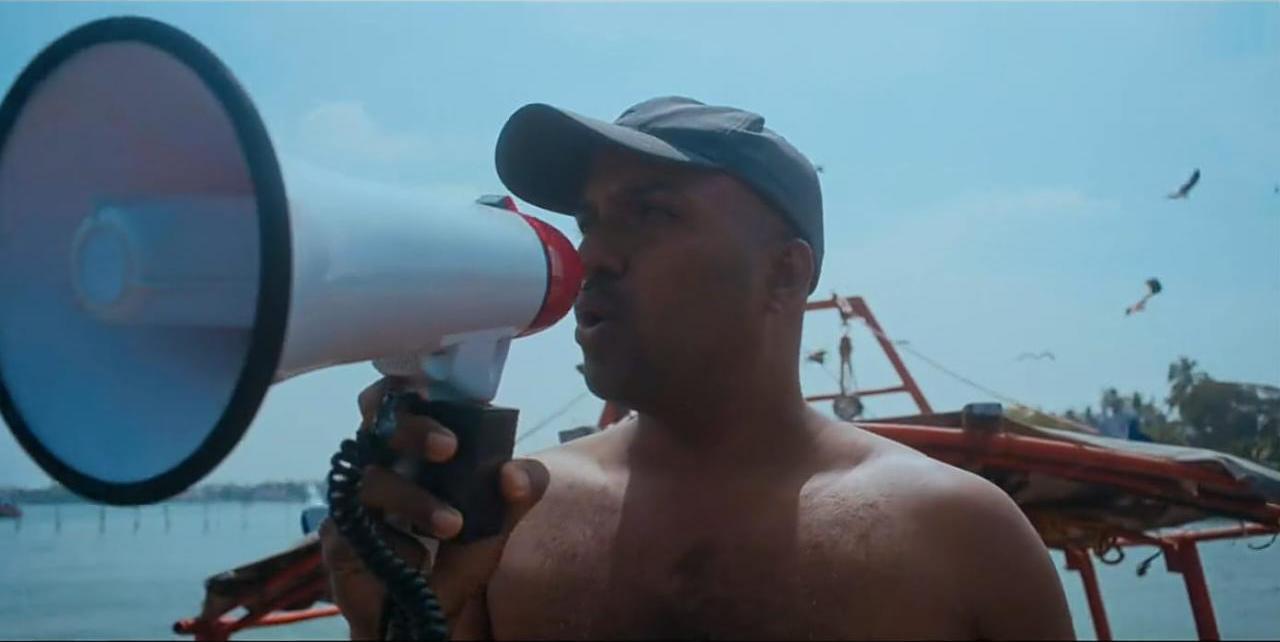
ജോയി ചെന്ന് ചേരുന്നടത്തെല്ലാം വെച്ചടി വെച്ചടി അഭിവൃദ്ധിയാണ്. ലിസ്സിയുടെ വീട്ടിലും, പിന്നെ വാവയുടെ കൂടെയും, ജോയ് വിളിച്ചാൽ വിളിപ്പുറത്താണ് ചെമ്മീനും, വേറെ എല്ലാ മീനുകളും. വാവ ചെറിയ തോതിലൊരു ചെമ്പൻ കുഞ്ഞു സ്റ്റൈലിൽ ഉള്ള മുതലാളി ആകുന്നുണ്ട് ജോയിയുടെ കൂടെ കൂടി മീൻ പിടിക്കാൻ തുടങ്ങുമ്പോൾ. പണക്കാരനായി തുടങ്ങുമ്പോൾ വാവ കുറച്ചും കൂടെ ഉച്ചത്തിൽ മീനുകളെ വിളിക്കാനായി ജോയിക്ക് ഒരു ഉച്ചഭാഷിണി കൊടുക്കുന്നു. എന്തും ഏതും അതിന്റെ logical end വരെ കൊണ്ട് പോയാൽ ഒന്നെങ്കിൽ ട്രാജഡി അല്ലെങ്കിൽ കോമഡി. ഈ സിനിമയിൽ ഈ സത്യം വളരെ മനോഹരമായി ഉപയോഗിച്ചിട്ടുണ്ട്.
കടലിലെ ജലജീവികളും ജോയിയും തമ്മിൽ ഒരു totemic relationship പോലുമുണ്ടെന്നു വേണമെങ്കിൽ പറയാം. Totem എന്ന സങ്കല്പം ലോകത്തിന്റെ പല ഭാഗത്തുമുള്ള ഗോത്ര സമൂഹങ്ങളുടെ വിശ്വാസത്തിന്റെ ഭാഗമാണ്. അതായത് മനുഷ്യനും മനുഷ്യേതര വർഗ്ഗങ്ങളും തമ്മിൽ ഒരു ഇന്റർ-സ്പീഷീസ് ബന്ധം, ഒരു വിട്ടുപോകാത്ത അനുസരതത്വം ഉണ്ട് എന്ന വിശ്വാസം. Bear, salmon, whale, wolf, eagle തുടങ്ങിയവ പലപ്പോഴും totemic ആയ ബന്ധത്തിൽ പല മനുഷ്യഗോത്രങ്ങളുടെ കഥകളിലും ചരിത്ര സംഭവങ്ങളിലും നിലനിൽക്കുന്നു. ഈ മൃഗങ്ങളെയും പക്ഷികളെയും മീനുകളെയും ഗോത്രസമൂഹം അറിഞ്ഞുകൊണ്ടു ഉപദ്രവിക്കുകയില്ല. ഉദാഹരണത്തിന് ലിസിയുടെ അപ്പനും അമ്മയും ജോയിയെ നിർബന്ധിച്ചു മീൻകറി കഴിപ്പിക്കാൻ ശ്രമിക്കുമ്പോൾ ജോയ് മീൻ ചാറ് മാത്രമെടുത്ത് മീൻ കഷ്ണം കഴിക്കാതെ മാറ്റി വെയ്ക്കുന്ന സീനിൽ totemic beliefs ഉള്ള ഗോത്രങ്ങൾ അവരുടെ totem ആയ ജീവിയെ ആഹാരമായി കഴിക്കുകയില്ല എന്ന ആചാരവുമായി സാമ്യമുണ്ട്.
ഇങ്ങനെ backstory ഇല്ലാത്ത ജോയിയുടെ കഥ മെനെഞ്ഞെടുക്കുന്നത് ബാക്കി കഥാപാത്രങ്ങളാണ്. ഡോക്യുമെന്ററികൾ പൊതുവെ ഇഷ്ടപ്പെടുന്ന ആവിഷ്കാരരൂപമാണ് അഭിമുഖങ്ങൾ, അഥവാ, ഇന്റർവ്യൂ. Mysticellus Joy എന്ന തവളയെ പറ്റി സംസാരിക്കുന്നതു പോലെ തന്നെ ഇവർ ജോയിയെ കുറിച്ചവർക്കറിയാവുന്ന കാര്യങ്ങൾ പറഞ്ഞു കേൾപ്പിക്കുന്നു.
ഒരു നല്ല തിരക്കഥയിൽ സംഭാഷണങ്ങൾക്ക് എപ്പോഴും ഒരു മെറ്റാ-ലെവൽ ഉണ്ടായിരിക്കുമല്ലോ. കഥയിലെ സംഭാഷണം information sharing മാത്രമല്ല, character revelation കൂടിയായിരിക്കും. ആവാസവ്യൂഹത്തിലെ ഏറ്റവും ആകർഷകമായ ഘടകങ്ങളിൽ ഒന്ന് ഇതിലെ സംഭാഷണമാണ്. ഏത് കഥാപാത്രം വായ തുറന്നാലും നമ്മളും വായും പൊളിച്ചിരുന്നു അവർ പറയുന്നത് കേൾക്കും. വീണ്ടും വീണ്ടും കേൾക്കണമെന്ന് തോന്നുകയും ചെയ്യും. ഉദാഹരണത്തിന് സജീവനും മുരളിയും ലിസിയുടെ വീട്ടിൽ പെണ്ണ് കാണാൻ പോകുന്ന വഴി കാറിലിരുന്ന് സംസാരിക്കുന്നത് നർമ്മോക്തിയുടെ വളരെ വിദഗ്ദ്ധമായ പ്രയോഗമാണ്: “ഈ left hand drive ആയതു കൊണ്ടേ, ഈ ഇൻഡിക്കേറ്ററും വൈപ്പറും തമ്മിൽ മാറി പോകും.” എവിടെ ഏതു സമയത്തു ആര് പറഞ്ഞു കേട്ടാലും അറിയാതെ ചിരിച്ചു പോകുന്ന വാക്കുകൾ!
ആദ്യാവസാനം ഈ സിനിമയിൽ വികസനത്തിന്റെ ഭാഗമായ ടെക്നോളോജിക്കൽ mumbo jumbo വെറും വിഡ്ഢിത്തമായി നല്ല രസമായിട്ടു കാണിച്ചിട്ടുണ്ട്. നീരജ് നോർത്ത്ലാൻഡർ എന്ന internet domain pyramid schemeന്റെ വക്താവിന്റെ ക്യാമറയോടുള്ള “e-waste”നെ കുറിച്ചുള്ള മോണോലോഗ് ഹാസ്യത്തിന്റെ പുറംമോടിയിൽ കൂടി എങ്ങനെയാണ് വികസനത്തിന്റെയും ടെക്നോളോജിയുടെയും പേരും പറഞ്ഞു നമ്മുടെ നാട്ടിൽ ആളുകളെ പറ്റിച്ചു കശ്മലന്മാർ കാശുണ്ടാക്കുന്നതു എന്ന് വളരെ രസകരമായ രീതിയിൽ കാണിച്ചു തരുന്നു.
അതുപോലെ കോൺസ്റ്റബിൾ കുരിയൻ ബാബു, സബ് ഇൻസ്പെക്ടർ ആന്റണി ഫിലിപ്പ് എന്നീ താരതമ്യേന ചെറിയ റോളുകൾ ഉള്ളവർ പോലും സ്വതന്ത്രമായ അവരുടേതായ ശൈലിയിൽ തെളിഞ്ഞു നിൽക്കുന്നു. ഹാസ്യം പലപ്പോഴും വാക്കും പ്രവർത്തിയും തമ്മിലുള്ള അകലത്തിൽ അല്ലെങ്കിൽ അവയുടെ വൈരുദ്ധ്യത്തിന്റെ നടുവിൽ തീവ്രമാകും. IOC പ്ളാന്റിനടുത്തുള്ള പുറമ്പോക്കിൽ കേറിയെന്ന പേരിൽ ജോയിയേയും കൊച്ചുരാമൻ എന്ന ആക്ടിവിസ്റ്റിനെയും അറസ്റ്റ് ചെയ്ത് ജയിലിൽ ഇട്ട് പിന്നീട് ജോയിയെ ഇടിച്ചു ചതച്ചിട്ട് സബ് ഇൻസ്പെക്ടർ ആന്റണി ഫിലിപ്പ് -“മാതൃക പോലീസ് സ്റ്റേഷൻ ആണേ നമ്മുടെ, ജനമൈത്രി” -എന്ന് പറയുമ്പോൾ irony -യുടെ ഹാസ്യത്തോടൊപ്പം ഡോക്യുമെന്ററി ഒരു full blown satire ആയി മാറുന്നു.
അങ്ങനെ പല തരത്തിലുള്ള ചിരികൾ ‘ആവാസവ്യൂഹം’ നമ്മളിൽ നിന്നും ഈടാക്കുന്നുണ്ട്. സജീവന്റെയും മുരളിയുടെയും പ്ലാങ്കിന്റെയും അവരുടെ ആറ്റിങ്ങലിൽ നിന്നും ഇറക്കു മതി ചെയ്യുന്ന ഇടി പാർട്ടികളുടെയും പോലീസിന്റെയും അക്രമാസക്തമായ പെരുമാറ്റം ചെറുതായിട്ട് ഒരു comic tone -ഓടെയാണ് ആയിട്ടാണ് ചിത്രീകരിച്ചിരിക്കുന്നത്. Noir സിനിമകളിൽ violence-നോടൊപ്പം കോമഡി കൂടി ചേർക്കുന്നത് പോലെ. ഒരു പ്രത്യേക മൂഡ് ആണ് ഇത്തരം സീനുകൾ നമ്മളിൽ ഉണ്ടാക്കുന്നത്. ചിരി വരുന്നു, പക്ഷെ ചിരിക്കുന്നത് ശരിയാണോ എന്ന് നമ്മൾ സംശയിക്കുന്നു. പൊതുവെ ഒന്നും ഒരിക്കലും ഗുണം പിടിക്കുകയില്ല എന്ന നിരാശ. കാരണം അക്രമങ്ങൾ പ്രേക്ഷകരിൽ അസ്വസ്ഥമായ ചിരി ഉണർത്തുമ്പോൾ അവ കൂടുതൽ പൈശാചികമാവുന്നു. അത്തരമൊരു തലം ആവാസവ്യൂഹത്തിലെ ഹാസ്യത്തിനുണ്ട്.
ഈ പൈശാചികമായ ഹാസ്യതലം അതിന്റെ മൂർദ്ധന്യത്തിലെത്തുന്നത് ജോയിയുടെ മരണത്തിലാണ്. മധുസ്മിത എന്ന കുടുംബശ്രീ പ്രവർത്തകയുടെ വീട്ടിൽ അടിഞ്ഞു കൂടുന്ന ജോയിയെ മനുഷ്യനെ അല്ലാത്ത വേറെ ഏതോ ഒരു വർഗ്ഗമാക്കി മാറ്റി, മൃഗമോ, മത്സ്യമോ, തവളയോ പാമ്പോ ആക്കി മാറ്റി, ഒരു കാഴ്ചവസ്തുവാക്കി അയാളെയും വിറ്റു കാശാക്കുന്ന രംഗങ്ങളിലെ ആക്ഷേപഹാസ്യം ഒരു മഹാദുരന്തത്തിന്റെ ഭയപ്പാടും നടുക്കവും നമ്മളിൽ നിന്നും അകറ്റി നിർത്തുന്നു. ഈ സീനുകളിലെ എഡിറ്റിംഗ് കരുതിക്കൂട്ടി അതീവ വികടമായിട്ടുള്ള തമാശകൾ കോർത്തിണക്കുന്നുണ്ട്. പോലീസുകാരുടെ കലപില, കാണാൻ വരുന്നവരുടെ വിചിത്രമായ പ്രതികരണങ്ങൾ, ടെലിവിഷൻ ചാനലിലെ ബുദ്ധിജീവികളുടെയും സയന്റിസ്റ്റുകളുടെയും മതപുരോഹിതന്മാരുടെയും മറ്റ് ‘experts’ന്റെയും ചർച്ചകൾ, കേരള യൂണിവേഴ്സിറ്റിയിലെ സൈക്കോളജി പ്രൊഫസറായ ജോർജ് മാത്യു എന്ന വന്ദ്യവയോധികൻ ഒരുപാട് ഭീമാകാരമായ മണിപ്ലാന്റുകളുടെ നടുക്കിരുന്നു കൊണ്ട് mermaids -ന്റെ കഥ പറയുന്നത് എന്നിങ്ങനെ കേരളം ഒരു ഭ്രാന്താലയം ആണെന്ന് നമുക്ക് പൂർണ്ണമായും വിശ്വസിക്കാൻ പറ്റുന്ന പോലെയുള്ള എഡിറ്റിംഗ് ആണീ സീനുകളിൽ. ഹാസ്യത്തിന്റെ പ്രധാന കർമ്മം തന്നെ വേദനാജനകമായ കാര്യങ്ങളെ നർമ്മം കുത്തിവെച്ചു സഹിക്കാൻ പറ്റുന്നതാക്കി മാറ്റുക എന്നുള്ളതാണല്ലോ. ജോയിയുടെ മരണം, അയാളുടെ കൊലപാതകം അങ്ങനെയാണ് ചിത്രീകരിച്ചിരിക്കുന്നത്.
പുതുവൈപ്പിലെ മനുഷ്യരെ സഹായിച്ച ജോയിയുടെ കഥ ഇതിനു മുൻപ് നമ്മൾ കേട്ട് കാണും. നനഞ്ഞയിടം കുഴിക്കുന്ന ഒരുപാട് കഥകൾ ലോകത്തിലെമ്പാടും ഉണ്ട്. പക്ഷെ മനുഷ്യന്റെ അത്യാഗ്രഹം, പ്രകൃതിയും പരിസ്ഥിതിയും സ്വന്തം കുടുംബസ്വത്താണെന്നു കരുതുന്ന മനോഭാവം ഇതുവരെയും മാറിയിട്ടില്ല എന്നുള്ള സത്യം ആവാസവ്യൂഹം പോലെയുള്ള സിനിമകൾ, പിന്നെ വിഴിഞ്ഞം പോർട്ട് പോലെയുള്ള വികസന പദ്ധതികൾ നമ്മെ വീണ്ടും ഓർമ്മിപ്പിക്കുന്നു. ആവാസവ്യൂഹം കടപ്പാടായി പറഞ്ഞിരിക്കുന്ന കഥകളിൽ – മാർകേസിന്റെ A Very Old Man with Enormous Wings, പിന്നെ കാഫ്കയുടെ Metamorphosis എന്ന നോവെല്ല – ഇവ രണ്ടും മനുഷ്യൻ മനുഷ്യനെ എന്ന് തന്നെയല്ല മാലാഖമാരെ വരെ വിറ്റു തിന്നുന്നവരാണെന്നു ഗുണപാഠമുള്ള കഥകളാണ്. ജോയിയുടെ ആജാനുബാഹുത്വവും അവസാനത്തെ രൂപാന്തരവും – അവന്റെ അസ്ഥികൂടത്തിൽ നിന്നും വിടരുന്ന പൂക്കളും പച്ചപ്പും- മാർകേസിന്റെ തന്നെ വേറെ ഒരു മനോഹരമായ കഥയും നമ്മളെ ഓർമ്മിപ്പിക്കും: The Handsomest Drowned Man in the World.

പക്ഷെ എനിക്കവയൊന്നും അല്ല ജോയിയുടെ അസ്ഥികൂടത്തിലെ മനോഹരമായ പൂക്കളും ഇലകളും കണ്ടപ്പോൾ തോന്നിയത്. എന്റെ ഓർമ്മയിൽ പൊന്തി വന്നത് എറിയലിന്റെ പാട്ടാണ്, ഷേക്സ്പിയറിന്റെ Tempest എന്ന നാടകത്തിൽ നിന്ന്. നടുക്കടലിൽ കൊടുങ്കാറ്റത്തു കപ്പല്ഛേതത്തിൽ തന്റെ അച്ഛൻ മുങ്ങി മരിച്ചു എന്ന് വിചാരിച്ചു സങ്കടപ്പെട്ടിരിക്കുന്ന ഫെർഡിനന്റിനു വേണ്ടി ഏറിയൽ എന്ന മാലാഖ പാടുന്ന പാട്ട്:
Full fathom five thy father lies;
Of his bones are coral made;
Those are pearls that were his eyes;
Nothing of him that doth fade,
But doth suffer a sea-change
Into something rich and strange.
Sea-nymphs hourly ring his knell:
Ding-dong.
Hark! now I hear them — Ding-dong, bell.
ഇനി മുതൽ ഷേക്സ്പിയർ ഇംഗ്ലീഷ് ഭാഷയ്ക്ക് സമ്മാനിച്ച sea-change എന്ന മനോഹരമായ പ്രയോഗം കേൾക്കുമ്പോൾ ആവാസവ്യൂഹവും Mysticellus Joy എന്ന തവള മനുഷ്യനെയുമാണ് ഞാൻ എന്റെ മനക്കണ്ണിൽ കാണാൻ പോകുന്നത്.
Travel Tips for Troubled Times
So here is a frisking story. I wrote this for the local newspaper in 2006.
“Travel Tips for Troubled Times”
Gayatri Devi
(The Lock Haven Express, 1 March 2006)
You know that handsome black dress that Spiegel’s and Peterman’s catalogs insist is a “must-have” for the smart traveler? Long, and loose-fitting, soft, smooth, suede-cotton blend, hides spills and stains, roomy enough to tuck your feet inside and fall asleep when your plane is delayed or cancelled?
It is a great dress. Pack it with a couple of turtlenecks and you are all set to go. Mine has gone with me to India, Canada, the United Kingdom and the Middle East.
But on a recent trip from Lock Haven to Louisville, Kentucky, this hardy, traveler’s dress turned out to be absolutely worthless.
I arrived early enough at the Louisville airport for my flight back to Lock Haven after presenting a paper at the Twentieth Century Literature conference. Maybe it was the flap over the Vice shooting his hunting partner in the face. Or maybe it was the excitement over the sale of US port management to the government of Dubai. Whatever the reason, the terror-alert level at the Louisville airport was a bright orange. Every ten minutes, the PR system blared out that there was heightened security at the airport.
I got my boarding pass and walked over to the security check-in. At the security gate, the Transportation Security Administration (TSA) staff told me that I have been randomly selected for additional security screening.
Step aside please, ma’am, the TSA woman told me.
Wow, “selected,” I thought. Here is my chance to prove to the world that I am not carrying a bomb. Feeling grateful, I walked over with the TSA woman to a glass partitioned area.
The security screening posture, as you might know, is a combination leg-split/scare-crow form. So I split my legs and positioned them over their footprint mat, the painted feet spaced just wide enough to make the muscles on your inside thighs stretch that extra bit. I got my hands spread out at the shoulder, palm outwards.
The TSA staff talked the whole time she checked me for concealed weapons of mass destruction with the special probe that resembles a blunt sword. It beeped over the metal buttons of my jumper and the metal hooks of my bra. She pinched both the button and the hook with her hands to make sure they are not weapons. She narrated what she was doing in the manner of a friendly OB/GYN. A pity, she should have been a doctor.
“You are wearing a dress, ma’am,” she said. “I need to check your legs. I’d like you to take one step forward, bend your toe away from your body, so I can check the inside of your legs.”
My daughter takes karate lessons at the YMCA and I have seen her do this leg movement many times. Leg out, toe turned away from the body, knees slightly bent.
“Keep your knees straight, ma’am” the TSA woman said. I got back in position.
The TSA woman stood behind me and inserted the blunt probe through my dress at my crotch and ran it down my leg. It felt slightly obscene. There was no bomb inside my left leg.
“Now step back, ma’am. Put your other leg out, toe away from your body,” the TSA woman ordered me.
She inserted the probe again through my dress at my crotch and ran it down my leg. Again, no bomb there.
“You’re all clear, ma’am. Now step over to Roy who will clear your baggage,” she told me.
Roy was tall and bald and he frowned as he checked for bomb residue inside my one set of clothes and pajamas. He checked my toilet case and found only toothbrush, toothpaste and mouthwash. He spent a few minutes over my books and student papers I had taken with me to grade on the plane. He studied the cell phone charger. No bomb anywhere.
“You’re all clear, ma’am,” Roy said.
What a difference it makes, I thought to myself, as I sprinted to my departure gate on a distant concourse. My body, my clothes, my books, my toiletries all read like evidence.
It turned out that I sprinted that last mile for nothing. The plane had left.
“We paged you 3 times,” the United Airlines rep said. “But I was held up at the security screening!” I was in anguish.
“We don’t hold planes for passengers, ma’am” the UA rep made the airlines’ position clear.
I got back home to Lock Haven one day late, after a rebooking, 2 delays, 2 missed flights, and an overnight stay in Chicago. Next time, I am driving from Lock Haven to Louisville.
But here’s my travel tip for these troubled times.
Lose the skirt. Lose the dress. Wear something tight and fitting so they can prod, pinch, and pat without you losing your plane. What if it feels slightly obscene? Remember, as David Byrne said, we are all naked in the eyes of God.
And on those special days when the terror-alert level is the color of paranoia, buck-naked and bare-assed is the way to go.
American Breakfast
I was born somewhere, but I am ‘from’ America now
We were discussing xenophobia in Sweden in my Scandinavian Noir class today. Citizens, foreigners, immigrants, refugees–the gamut of belonging and not belonging. Here is an essay I wrote for the local newspaper about my experiences becoming an American citizen.
http://www.lockhaven.com/opinion/columns/2017/04/i-was-born-somewhere-but-i-am-from-america-now/
From Lock Haven, you can take either the Interstate 76 East downtown Philadelphia exit, or 3 East West Chester Pike exit off of the turnpike and drive through run-down streets with uneven stop-and-go traffic, lined on either side with a blur of fast food joints, auto repair shops, Chinese delivery and take-outs, hair and nail places, and second-hand furniture stores.
Closer to the Homeland Security building, North 41st Street turns into a long, meandering residential block with broke down ramshackle apartments with doors and windows covered with bed sheets, front doors held in with iron bars, seedy front yards, battered cars, and broken toy pools even in the middle of March. Old men and women in heavy winter coats wait at the bus stops, and young kids on bicycles zip up and down cracked streets with what looks like non-working tram lines running through the middle. Most buildings except the churches are decorated with graffiti, angry, artful and arresting.
This is where the poorer half lives.
I was at the Homeland Security building this past Thursday for my final interview with U.S. Immigration and Naturalization services for my citizenship. I have lived in the United States for 27 years now; the first 12 on a work visa, and the last 15 on a green card (permanent residency card), both provided by employers. I left India when I was 24 to do my Ph.D. in the United States, then stayed to teach; first at the University of Texas at Dallas, and now for the state system of higher education in Pennsylvania.
At this point, I have lived longer in the United States than I have in India.
So in 2016, I applied for my U.S. citizenship.
Applying for U.S. citizenship is a straightforward process. The application itself is $680. Once you submit your application, you are given an appointment to get your fingerprinting and biometrics done at the processing center in York. It could take anywhere from six months to a year for Homeland Security to do your background checks and complete the vetting of your application. If you pass the background checks and the vetting, you are called for your final citizenship interview.
I had arrived about 45 minutes prior to my interview time. My phone was dead which was a good thing since cell phones and cameras are prohibited at the Office of Immigration and Naturalization Services. I walked with the other applicants in the line through the metal detectors and was cleared to enter the waiting room.
The waiting room was crowded with hundreds of people just like me from all over the world waiting for various processes to complete toward their naturalization as citizens.
Many applicants were there with their lawyers; you could tell the lawyers immediately on sight: In suit and tie, with laptop cases, and searching for their clients in the sea of faces.
I was by myself. I sat next to a young couple who spoke Arabic. The husband was a doctor and a citizen; the wife was the applicant. The husband patiently explained in Arabic and English a very troubling case of a young child at the hospital with a heart valve deficiency to the wife listening attentively.
Many applicants were still studying their citizenship civics test booklet. Part of the citizenship interview is a civics test about the history and the government and the Constitution of the United States of America. Small children played on the floor. Babies cried. Mothers and fathers took turns walking the restless children around the waiting room.
The officer who interviewed me was a pleasant young man who asked me to swear that I would tell the truth, the whole truth and nothing but the whole truth during the interview. Then he asked me to sit down. He started the interview by reviewing my application with me.
What do you teach at the university, he asked me?
English, I said.
Ah, he said, the reading and writing portion of the test will be easy for you then. You can never tell, I said. We laughed.
The first part of the interview consists of reviewing your personal information and includes questions about your family and yourself. This has all been vetted in the past year but this part of the interview confirms your application.
The questions cover everything from education, marriage, children, work, membership in organizations, tax questions, and finer details about your life, such as involvement in buying and selling of drugs, guns and weapons, engaging in prostitution, taking part in illegal gambling, serving in militias and the military, engaging in torture and genocide, and lying to the government.
I don’t smoke. I don’t drink. I don’t do drugs. I don’t gamble. I am not promiscuous. I don’t own weapons. I have not served in the military or the militia. I have not engaged in torture or genocide, and I have never lied to the government. I passed this part of the test very quickly.
It is time for your civics test, the officer told me. The civics test includes 100 questions sent to you from the Department of Homeland Security. The officer will ask you 10 questions at your interview. You have to answer six correctly to pass the test.
When was the Constitution written? Who wrote the Declaration of Independence? What does religious freedom mean? At what age does Selective Service begin? How many senators are there? What is the ocean on the East Coast called? How many amendments are there to the Constitution? What is any state that borders Mexico? What was the reason for the cold war? What words indicate the idea of self-government for Americans in the Constitution?
I knew them all. I passed the civics test very quickly.
The officer then proceeded to the reading test. He showed me a sentence and asked me to read it.
“What are the colors of the American flag?”
I passed.
Then we moved to the writing test. He dictated a sentence for me to write. “The colors of the US flag are red, white and blue.”
I passed.
Well, congratulations, the officer told me. You have passed the civics and reading and writing test.
Are you willing to take the full oath of allegiance to the United States, he asked me? Yes, I said.
And then I was a citizen.
It was quarter past noon when I walked out. It was a mild spring day, not too cold, and not too warm. I was starving. I had left Lock Haven at quarter past five in the morning on just a cup of coffee.
My stomach was empty. The Homeland Security office does not permit food or water inside the building. I wanted breakfast.
I started walking on North 41st Street looking for a place to get something to eat. There are no restaurants on North 41st Street. Empty spaces encircled with wire fences alternate run- down apartment blocks. I kept walking. I did not want to get my car from the parking lot where it was parked and not know where to go. There must be something somewhere, I told myself.
A few blocks down I came to a cross street called Market Street. It was appropriately named. I started seeing businesses on either side of the street. Auto parts, vape lounges, hair salons, second-hand furniture stores, Chinese take out and delivery places, and then I saw the sign for Hamilton Restaurant.
I crossed over and entered the restaurant. It was a small diner, clean and pleasant inside. May I charge my phone, I asked the petite Chinese woman who appeared to be the manager of the place. Sure, she said. I gave her my dead phone and she plugged it into a power outlet.
The place was filled with regulars, I could tell.
Everyone spoke to everyone and everyone spoke to the manager, the petite Chinese woman. I was the only Indian woman there; everyone else — the customers and the cooks — was African American, along with one older Chinese man cooking in the kitchen. They all spoke to each other warmly while eating food that looked heavenly to me.
How are you, beautiful? … a pretty African American woman young enough to be my daughter asked me.
She had a gentle, motherly way about her. She cleaned the table and set down the silverware for me.
I am good, I said. How about yourself?
Good day, good day, she said. What can I get ya?
I had already picked what I wanted from the day’s specials written on the erase board.
Grilled flounder with green pepper and onions, cheese grits, home fries, and one fried egg, I said.
Good choice, honey, she told me. And it’s a dollar off today. Good choice. She had the most beautiful smile.
The grilled flounder was excellent, I told the Chinese lady when I walked up to pay the check. Thank you, she said.
Immigration? she asked me.
Yes, I said. I just became a citizen half an hour ago. Yours is the first meal I am eating as an American citizen. It was delicious. Thank you, I told her.
Thank you so much, she said.
Where were you born, she asked me?
India, I said.
It was a subtle difference, I told myself as I drove back toward Interstate 476 North.
Usually, I am asked, “Where are you from”? And I tell them, India. But the Chinese woman had asked me where I was “born.”
I am “from” America now.
There was a difference.
Like her — and like all other immigrants — I was born somewhere, but I am “from” America now.
Gayatri Devi lives in Lock Haven.
 The Red Earth